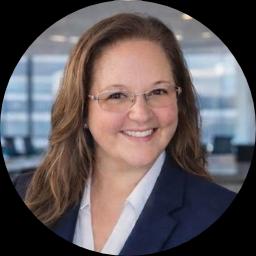
Sabrina Sahle
MD, LCSW-C
Compassionate, practical therapy for life changes
- Stress, Anxiety
- Relationship
- Family
Attachment-based therapy directory
26 therapists in this directory list Licensed Certified Social Worker - Clinical (LCSW-C). Registration details are shown as each therapist lists them; the body's own public register is the place to check a number.
A Licensed Certified Social Worker - Clinical (LCSW-C) is a clinical social work license that indicates advanced graduate education and supervised clinical experience. Browse the verified LCSW-C therapists below to view profiles, specialties, languages, and credential verification details.
MD, LCSW-C
Compassionate, practical therapy for life changes
MD, LCSW-C, LCSW
Experienced clinician combining medical and social work perspectives
MD, LCSW-C
Helping people manage stress and rebuild confidence
LICSW, MD, LCSW-C
Practical support rooted in relationships
LICSW, MD, LCSW-C
Warm, practical therapy focused on attachment
MD, LCSW-C, LCSW
Compassionate clinician helping rebuild connection
MD, LCSW-C
Warm, practical therapy focused on attachment and coping
LICSW, MD, LCSW-C
Compassionate support for stress and trauma recovery
MD, LCSW-C, LCSW
Practical, relationship-aware therapy for steady progress
LCSW, MD, LCSW-C
Compassionate relational therapist with practical tools
MD, LCSW-C
Compassionate guide for emotional and life challenges
MD, LCSW-C
Compassionate therapist focused on attachment healing
MD, LCSW-C, LISW
Experienced clinician focused on attachment and practical change
MD, LCSW-C
Compassionate clinician blending medicine and social work
MD, LCSW-C, LCSW
Helping people build focus and confidence
MD, LCSW-C
Attachment-focused therapist with a practical approach
MD, LCSW-C
Experienced Maryland clinician focused on relationships
MD, LCSW-C
Compassionate, relational therapy focused on attachment
MD, LCSW-C
Healing relationships and managing life changes
LCSW, MD, LCSW-C
Compassionate attachment-focused clinical social worker
MD, LCSW-C, LCSW
Compassionate clinician focused on attachment and coping
MD, LCSW-C
Practical, respectful therapy focused on relationships and coping
LICSW, MD, LCSW-C
Therapist focused on attachment and coping
LICSW, MD, LCSW-C
Therapist focused on attachment and practical skills
MD, LCSW-C, LCSW
Compassionate attachment-informed therapy for everyday life
Some links on this page are partner links. We will earn a commission if you sign up through one, at no cost to you. It does not change what you pay or the order of the listings.
The LCSW-C credential denotes a clinical social work license, granted by a licensing board after a candidate completes graduate-level social work education and required supervised clinical practice. While specific requirements vary by state, the typical path begins with a master of social work degree followed by a period of supervised post-degree clinical hours and successful completion of the clinical licensing examination administered by the relevant testing body. States may use slightly different titles or suffixes, so it is important to recognize that LCSW-C specifically appears in some jurisdictions as the designation for clinicians who meet those advanced standards.
Holding an LCSW-C generally signals that a practitioner has met regulatory criteria related to education, supervised practice, and ongoing professional development. That regulatory framework is intended to ensure a foundational level of knowledge about mental health assessment, therapeutic intervention, ethics, and documentation. Because requirements can differ across state lines, people seeking care will benefit from learning how licensure is structured in the state where a therapist practices or is licensed to offer telehealth services.
You should expect an LCSW-C to have completed a graduate social work program, most commonly a master of social work degree. After graduation, candidates typically complete a specified number of supervised clinical hours, working under the oversight of a licensed clinical supervisor. Those hours are designed to build clinical judgment, assessment skills, and experience working with a range of presenting concerns and populations. State boards verify that the required supervised practicum and post-degree supervision were completed according to their rules.
Licensing generally includes passing a standardized clinical exam and fulfilling any jurisprudence or state-specific testing requirements. Once licensed, LCSW-Cs must meet continuing education obligations to maintain the credential. These maintenance requirements aim to keep clinicians current with ethical standards, changes in practice, and emerging evidence-informed approaches. When you review a profile, continuing education is part of what licensing boards track and may be visible through public license lookup tools.
As you evaluate different practitioner types, note that an LCSW-C often blends clinical therapy with a systemic understanding of social factors and resources. LCSW-Cs commonly provide assessment, psychotherapy, treatment planning, and clinical case formulation. In many jurisdictions they are also authorized to make mental health diagnoses and to work in settings that require licensed clinical oversight, such as hospitals, community mental health agencies, and outpatient clinics.
Compared with other credentials, such as counselors or marriage and family therapists, social workers bring training that tends to integrate individual treatment with attention to family systems, community resources, and social determinants of health. The differences are not absolute, and practice overlaps considerably across professions. If your priorities include working with a clinician who pays attention to environmental stressors, systems-level influences, and connections to community supports, an LCSW-C may align well with those needs. Keep in mind that individual clinicians vary in focus and approach, and profiles will list the areas they emphasize in practice.
When you read therapist profiles, you will often see LCSW-C therapists listing a wide range of specialties. Many indicate experience with trauma and attachment-related issues, family and relationship challenges, parenting, mood disorders, anxiety, grief and loss, life transitions, and concerns that intersect with medical or chronic health conditions. Some LCSW-Cs work with specific populations such as children and adolescents, perinatal clients, older adults, or couples. Others emphasize community-oriented work, such as coordinating care, connecting clients to resources, or collaborating with schools and agencies.
Profiles also commonly list therapeutic approaches. Remember that a profile note that mentions an approach is not the same as a formal certification. It is accurate to describe someone as a therapist who lists EMDR among their approaches, or who lists internal family systems or cognitive behavioral strategies among their methods. If you have a preference for certain approaches, look for therapists who mention those approaches in their profiles and ask about their experience applying them in sessions when you contact a clinician.
Verifying a license is an important step when you are selecting a clinician. Start with the state social work licensing board's online license lookup tool. Most boards allow you to search by name or license number to confirm current licensure status, expiration date, and any public disciplinary history. If the listing includes a license number, you can use that to cross-check for accuracy. Some states publish details about the supervisor who verified post-degree hours and the date the license was issued.
If you are unsure which board issued a particular LCSW-C, the therapist profile may list the state of licensure. You can also ask the clinician directly for their full license number and issuing state and then verify that information through the board's public portal. For telehealth across state lines, check whether the clinician holds licensure in the state where you are located, since licensure rules for remote care vary by jurisdiction. When you verify, look for an active status, valid expiration date, and any notations about restrictions or disciplinary actions to ensure the credential reflects the board's current record.
Choosing an LCSW-C can offer several advantages depending on your needs. If you want a clinician who integrates clinical interventions with attention to environmental and social factors, an LCSW-C's training is often oriented that way. Many LCSW-Cs have experience coordinating care with other service providers and connecting clients with community resources. Their clinical training typically prepares them to address a broad range of concerns across the lifespan, and their licensure indicates completion of supervised clinical practice and ongoing education.
When you look for the right match, begin by clarifying what matters most to you. Consider the presenting issue, the population you belong to or prefer working with, language needs, and whether you prefer certain therapeutic approaches. Read therapist profiles to learn about specialties, listed approaches, demographic experience, and logistical details such as session format and typical session length. Use the license verification steps described above to confirm the credential and review any public disciplinary information.
Prepare a few questions to help you compare clinicians. You might ask how they conceptualize the issue you are facing, what a typical session looks like, how they measure progress, and how they incorporate practical supports or referrals when appropriate. If cost or insurance is a factor, ask about fees, sliding scale policies, and how they handle insurance claims. Finally, trust your sense of fit: therapeutic work depends in part on a working relationship, so prioritize clinicians whose profiles and communication style feel respectful and aligned with your needs.
Choosing a clinician is a personal decision. By understanding what the LCSW-C credential represents, verifying licensure through state boards, and focusing on the match between your needs and a therapist's specialties and approach, you can make an informed choice about who to contact. Use the profiles below to explore LCSW-C therapists who list relevant experience and approaches, and follow the verification steps to confirm licensure details before making a selection.