Attachment-based therapy directory
Therapists who work with Licensed Clinical Social Worker (LCSW)
969 therapists in this directory list Licensed Clinical Social Worker (LCSW). Registration details are shown as each therapist lists them; the body's own public register is the place to check a number.
A Licensed Clinical Social Worker (LCSW) is a clinician with a master of social work degree and state clinical licensure who provides assessment, psychotherapy, and care coordination. Browse verified LCSW therapists below to review profiles, specialties, and approaches to find a match for your needs.
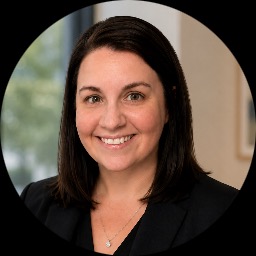

Joyce Voltaire Huertas
LCSW
Attachment-informed care for life's hard moments
- Stress, Anxiety
- Relationship
- Trauma and abuse

Barry Wasser
LCSW
Calm, relationship-focused therapy for everyday life
- Stress, Anxiety
- Relationship
- Trauma and abuse

Alona Perlin
LCSW
Practical, warm therapy for attachment and stress
- Stress, Anxiety
- Relationship
- Trauma and abuse
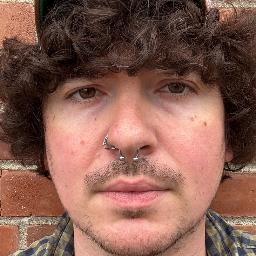
Themistoklis Bakelas
LCSW
Practical, relational therapy for life transitions
- Relationship
- Grief
- Self esteem
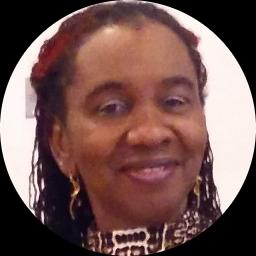
Althea Fraser
LCSW
Attachment-informed therapist focused on practical change
- Grief
- Self esteem
- Stress, Anxiety

Roseanne Jackson
LCSW, LCSW-R
Compassionate support for emotional recovery
- Stress, Anxiety
- Trauma and abuse
- Grief


Dedra McIntosh
LCSW
Attachment-focused therapist helping with anxiety and trauma
- Stress, Anxiety
- Relationship
- Trauma and abuse
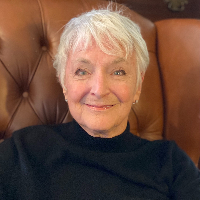

Ana Sikula
LCSW
Practical, compassionate therapy for life transitions
- Stress, Anxiety
- Relationship
- Family

Evalee Smith
LISW, LCSW, CSW
Compassionate clinical social worker focusing on attachment
- Stress, Anxiety
- Parenting
- Anger


Charlie Johnson
LCSW
Supportive social worker focused on relationships and coping
- Stress, Anxiety
- Addictions
- Relationship
Michele Davis
LCSW
Therapist focused on attachment and practical support
- Addictions
- Relationship
- Trauma and abuse
Dr. Kerene Brown
LICSW, LCSW, CSW
Supportive therapy for life transitions and attachment
- Stress, Anxiety
- Trauma and abuse
- Self esteem

Amber Bowling
LCSW
Calm, practical support for emotional and relationship strain
- Stress, Anxiety
- Relationship
- Trauma and abuse

George Tilley
LCSW
Experienced LCSW focusing on attachment and life changes
- Stress, Anxiety
- Relationship
- Grief

Robert Payne
LCSW
Attachment-informed LCSW offering steady support
- Stress, Anxiety
- Relationship
- Trauma and abuse

Remmawii (Karuna) Kristjanson
LCSW, CSW
Healing through attachment and practical tools
- Addictions
- Relationship
- Trauma and abuse

Linda McNellis
LCSW
Experienced Oregon LCSW focused on attachment and coping
- Stress, Anxiety
- Trauma and abuse
- Grief
Gaileanne 'Alianna' Timmins
LCSW
Compassionate, practical support for life transitions
- Stress, Anxiety
- Relationship
- Career

Sandra Musielewicz
LCSW
Practical, strengths-based therapy for adults
- Stress, Anxiety
- Self esteem
- Bipolar
Julie Elliott
MD, LCSW-C, LCSW
Experienced clinician combining medical and social work perspectives
- Stress, Anxiety
- Relationship
- Family

Abani Dhewajoo
LCSW
Practical, respectful therapy for life challenges
- Stress, Anxiety
- Trauma and abuse
- Anger

Alfred Robelot Jr
LCSW
Helping people through stress and relationship strain
- Stress, Anxiety
- Relationship
- Family

Faryal Choudry
LCSW
Compassionate therapist focused on attachment and coping
- Stress, Anxiety
- Addictions
- Relationship
Deborah Youngblood
LCSW
Compassionate, practical therapy for life’s hard moments
- Stress, Anxiety
- Relationship
- Family

John Uriarte
LCSW
Seasoned LCSW helping with life transitions
- Stress, Anxiety
- Relationship
- Trauma and abuse
Cathy Drucker
LCSW
Compassionate therapist focused on attachment and coping
- Stress, Anxiety
- Relationship
- Anger


Kelly Corbine
LICSW, LCSW
Therapist focused on attachment and coping
- Stress, Anxiety
- LGBT
- Trauma and abuse
Majeeda Muhammad Solivan
LCSW
Practical, relationship-focused therapy for life challenges
- Addictions
- Relationship
- Self esteem

Erica Tribble
LCSW
Practical, relationship-focused therapy
- Stress, Anxiety
- Relationship
- Trauma and abuse

Sunny Philip
LCSW
Practical, attachment-informed therapy for life challenges
- Stress, Anxiety
- Addictions
- Trauma and abuse

Elva 'Julia' Garafola
LCSW
Therapist focused on attachment and coping
- Stress, Anxiety
- Relationship
- Grief
Dr. Lakisha Ellison
LCSW
Compassionate LCSW focused on attachment and healing
- LGBT
- Relationship
- Family
Angela Whitecrane Widdicombe
LCSW, LMFT
Compassionate clinician focusing on connection
- Stress, Anxiety
- Addictions
- Relationship

Lisa Meotti
LCSW
Warm, practical support for attachment and recovery issues
- Addictions
- LGBT
- Relationship

Paul Jones
LCSW
Practical, person-centered therapy for real-life struggles
- Stress, Anxiety
- Trauma and abuse
- Parenting

Dr. Luis Ramirez
LCSW
Compassionate, practical help for relationship pain
- Stress, Anxiety
- LGBT
- Relationship

Corinne Billet
LCSW
Practical, attachment-informed therapy for life changes
- Stress, Anxiety
- Relationship
- Trauma and abuse
Janel "Elle" Zimmerman
LCSW
Experienced LCSW focused on attachment and coping
- Stress, Anxiety
- Trauma and abuse
- Bipolar
Kathleen Carpentier
LCSW
Compassionate therapist focused on attachment and healing
- Addictions
- Relationship
- Trauma and abuse

Velma Jones
LCSW
Calm, experienced help for lasting change
- Stress, Anxiety
- Relationship
- Trauma and abuse

Rachel Webster
LCSW
Warm, experienced LCSW focused on relationships
- Stress, Anxiety
- Family
- Trauma and abuse
Some links on this page are partner links. We will earn a commission if you sign up through one, at no cost to you. It does not change what you pay or the order of the listings.
What "Licensed Clinical Social Worker (LCSW)" means and how clinicians get there
Education and licensure pathway
A LCSW designation indicates that a clinician has completed graduate training in social work and met state requirements to practice clinical social work. Most people who earn this credential hold a master of social work degree. After graduate school, clinicians complete a period of supervised clinical experience as required by their state licensing board and pass a clinical licensure exam. The exact requirements - including the number of supervised hours and examination details - vary by state, so the term LCSW represents a licensed clinical social worker in the jurisdiction where the therapist practices.
Scope of preparation
Graduate social work programs emphasize both clinical skills and a broader understanding of social systems, community resources, and policy. You can expect LCSW clinicians to have training in assessment, diagnosis, treatment planning, psychotherapy, and interventions that consider a person’s relationships, environment, and access to services. Their graduate coursework often covers development across the lifespan, cultural considerations, and work with families and groups in addition to individual therapy.
What a LCSW therapist is qualified to do compared with other license types
Clinical practice and professional roles
A LCSW is licensed to provide mental health services in clinical settings, including psychotherapy and diagnostic assessment. Many LCSW clinicians work in outpatient therapy, community mental health, hospitals, schools, and child welfare settings. Their training blends clinical intervention with attention to social and systemic factors that affect wellbeing. You will find that some LCSW clinicians focus primarily on talk therapy while others combine therapy with case management tasks related to housing, benefits, or coordination with schools and medical providers.
How LCSWs differ from other clinicians
There are meaningful differences in education and typical focus among common mental health licenses. Psychiatrists have medical degrees and may prescribe medication. Psychologists often hold doctoral degrees with specialized training in psychological testing and research. Licensed professional counselors or licensed clinical professional counselors typically enter practice after a master’s degree in counseling with a focus on psychotherapeutic techniques. Licensed marriage and family therapists emphasize relationship systems and family dynamics. LCSW clinicians often bring a systems-oriented perspective that emphasizes social context, access to services, and advocacy in addition to psychotherapy.
Common specialties and treatment areas for LCSW therapists
Clinical areas you may find
LCSW clinicians commonly work with a wide range of concerns across the lifespan. Many list specialties such as trauma, attachment challenges, family and couples work, child and adolescent therapy, grief and loss, substance use, and mood or anxiety concerns. Because social work training includes attention to context, you will also find LCSW clinicians who focus on transitions such as postpartum adjustment, aging-related issues, school-related challenges, or involvement with child welfare or legal systems.
Approaches and modalities
Therapists who list particular approaches - for example cognitive behavioral methods, psychodynamic perspectives, or attachment-based work - are indicating practices they use with clients. A clinician may list EMDR among their approaches, or mention somatic or narrative-oriented methods. Listings of approaches do not by themselves establish certification or specialized training; they simply describe the methods a therapist says they use in practice. If a particular modality matters to you, you can look for clinicians who describe how they apply that approach within their work.
How to verify a LCSW credential
Using state licensing boards
The most reliable way to verify a LCSW credential is through the state licensing board that regulates social work in the clinician’s state. Licensing board websites typically allow you to search by name or license number to confirm that the license is active and to view any public discipline or restrictions. Because licensing details are managed at the state level, verifying the license where the clinician practices gives you the most accurate picture of their standing.
Asking the clinician and reviewing documentation
You can also request a clinician’s license number and the state that issued it. Many therapists include licensure details on their profiles. If you want further reassurance, contact the state board directly to confirm the information. Additional professional associations may offer directories or membership verification, but these databases do not replace state licensure checks. If a clinician mentions use of a particular therapeutic approach, you can ask how they integrate that approach into care and whether it represents ongoing study, clinical experience, or formal certification.
Benefits of choosing a LCSW therapist and tips for finding the right fit
Why people choose LCSW clinicians
There are several reasons you might choose a LCSW clinician. Their training commonly emphasizes the interaction between individual symptoms and social context - such as family dynamics, community resources, employment, and housing. If you want a clinician who can help with therapy while also connecting you to social supports or advocating within systems, an LCSW may fit that blend of skills. LCSW clinicians often have experience working in diverse settings, which can be helpful if you need referrals or practical assistance alongside therapy.
Practical tips to find the right LCSW for you
Start by clarifying what matters most in therapy - such as approaches you prefer, the population you want to work with, language needs, cultural considerations, or experience with specific life stages. Read clinician profiles to learn about their stated specialties, approaches, and populations. Pay attention to whether a therapist mentions experience with attachment-related issues if that matches your goals. Consider practical factors like insurance coverage, session format preferences, and fees. When you contact a clinician, it is reasonable to ask about their approach to treatment, what a typical course of care might look like for your concern, and how they work with issues like coordination with other providers or community resources. Trust your sense of rapport; feeling understood and respected in early conversations is a strong indicator of a good match.
When to seek a different professional or team approach
There are situations where a team approach or a different type of clinician may be appropriate. If your needs include medication management, that typically involves a prescriber such as a psychiatrist or primary care provider. If you expect psychological testing or neuropsychological assessment, a psychologist may be suited to that work. Many people benefit from collaborative care where a LCSW provides psychotherapy and care coordination while other professionals address medication or specialized assessment. You can discuss coordination among providers with a LCSW if that is a priority for your care plan.
Finding the right clinician takes time and information. Use profiles and licensure verification to narrow options, prioritize what matters most for your healing and daily life, and rely on initial conversations to assess whether a clinician’s approach and communication style match your goals. A considered search increases the likelihood that you will connect with someone who supports your path forward.