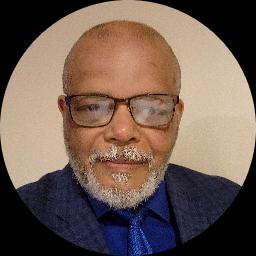
Paul Jones, LCSW
Therapist in North Carolina
Paul Jones is a Licensed Clinical Social Worker with eight years of clinical experience in mental health.
- Licensed inNorth Carolina
- LicenseC011878
- NPI 1396305629
- Experience8+ years
- LanguagesEnglish
Details are as listed on the therapist's public professional profile. You can check any license with the state board and any NPI with the national registry.
About Paul
Paul Jones is a Licensed Clinical Social Worker with eight years of clinical experience in mental health. He practices from North Carolina and brings a practical, problem-solving focus to sessions. Paul aims to help people feel more capable and steady when life gets hard.
He uses a person-centered way of working that starts with the client's goals and values. He also draws on attachment-based ideas to look at how early relationships affect current trust, closeness, and communication.
Background and approach
Cognitive and skills-based tools are offered when someone needs concrete ways to manage anxiety, anger, or impulsivity. Paul works with people facing stress, trauma, depression, and relationship or family struggles. He also helps with parenting challenges, addiction concerns, ADHD, and life transitions.
Sessions focus on clear, doable steps clients can try between meetings. His style is straightforward and practical. He listens for strengths and builds on small changes that add up over time.
He can include mindfulness skills and emotion-regulation techniques when they fit the client's needs. People who come to Paul often want help improving communication, reducing anxiety, or finding steadier ways to cope after loss or change. He supports clients as they test new habits and develop plans that fit their daily lives.
Credentials
- LCSW (North Carolina)
- License C011878 · expires October 2026
- NPI
- 1396305629 · national provider identifier
Both are public records. A state board register will confirm a license and its standing, and the national registry will confirm an NPI. This directory copies what the therapist lists and checks neither.
Focus areas and approaches
Everything Paul lists on their public professional profile, in their own terms.
- Stress, Anxiety
- Trauma and abuse
- Parenting issues
- Anger management
- Self esteem
- Addictions
- Relationship issues
- Family conflicts
- Career difficulties
- Depression
- Coping with life changes
- ADHD
- Abandonment
- Aging and geriatric issues
- Attachment issues
- Blended family issues
- Caregiver issues and stress
- Commitment issues
- Communication problems
- Coping with natural or human-caused disaster
- Divorce and separation
- Domestic violence
- Family problems
- Impulsivity
- Infidelity
- Life purpose
- Men's issues
- Veteran and Armed Forces Issues
- Mood disorders
- Multicultural concerns
- Narcissism
- Post-traumatic stress
- Prejudice and discrimination
- Self-harm
- Sex addiction
- Sexual assault and abuse
- Social anxiety and phobia
- Traumatic brain injury
- Young adult issues
Approaches Paul names
- Attachment-Based Therapy
- Client-Centered Therapy
- Cognitive Behavioral Therapy (CBT)
- Dialectical Behavior Therapy (DBT)
- Mindfulness Therapy
- Motivational Interviewing
- Solution-Focused Therapy
- Trauma-Focused Therapy
Naming an approach is not evidence of training in it. This directory copies what each therapist lists and does not check training records.
Online support
How attachment ideas and skills translate online
Paul uses attachment-based ideas to look at how early relationship patterns affect trust, closeness, and the way people relate today. That approach helps when communication, fear of abandonment, or difficulty forming stable connections are central concerns.He also uses Client-Centered Therapy, which centers sessions on the person's own goals and experiences. This approach focuses on listening, empathy, and supporting the client's pace when working through change. Cognitive Behavioral Therapy (CBT) is used to identify unhelpful thoughts and test new behaviors; it provides practical tools for anxiety, depression, and impulsive reactions.
Choosing the right approach is a collaborative process. The therapist and client look at current struggles, goals, and preferences, then try methods that fit. Plans are adjusted over time based on what actually helps the client feel and function better.
Online formats include video calls, phone sessions, live chat, and text-based messaging. Video sessions allow face-to-face conversation and visual cues. Phone sessions can be easier when video is not possible or bandwidth is limited. Live chat and text messaging work well for brief check-ins, homework support, or when a shorter contact fits a busy day. These options make scheduling more flexible and let people keep continuity of care while balancing work, family, or travel.
We will earn a commission if you sign up through our link, at no cost to you. It does not change what you pay or the order of the listings.
Frequently asked
What concerns does Paul help with?
He helps people with stress, anxiety, trauma and abuse, depression, relationship and family problems, parenting difficulties, addictions, ADHD, anger, self-esteem, career concerns, and coping with life changes.
What is his therapy style like?
Paul works in a person-centered way and uses attachment-based ideas. He mixes skills-based tools, mindfulness, and CBT or DBT techniques to give practical steps clients can try.
How much experience does he have?
Paul has eight years of experience in clinical mental health practice and holds the LCSW credential in North Carolina.
Where is he located and licensed?
He is licensed as an LCSW in North Carolina and practices from that state.
Which languages are supported?
Sessions are offered in English.
Can international clients work with him?
International clients are not currently accepted.
What session formats are available?
He offers video calls, phone sessions, live chat, and text-based messaging to fit different schedules and communication preferences.
How does cost and scheduling work?
Cost varies with location and therapist availability and uses a subscription model that can be canceled at any time. To get started, select the Start Therapy button, complete a short matching questionnaire, and schedule according to therapist availability.
More therapists in North Carolina
See all
Michele Howard
LMFT
Therapist focused on attachment and relationships
- Stress, Anxiety
- Relationship
- Family

Amy Penley
LMFT
Compassionate LMFT focusing on attachment and healing
- Stress, Anxiety
- Relationship
- Trauma and abuse

Margaret Hormenoo
LCMHC
Compassionate counselor for life transitions
- Stress, Anxiety
- Relationship
- Grief
Is this your profile?
Ask us to correct details or take the page down.
Contact us