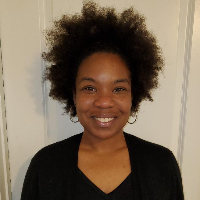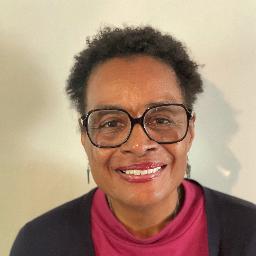
Michele Howard
LMFT
Therapist focused on attachment and relationships
- Stress, Anxiety
- Relationship
- Family
Attachment-based therapy directory
111 therapists based in North Carolina name attachment-based therapy among the ways they work. Sessions are online; a therapist can usually only see people in the states where they hold a license, so check the license line on each profile.
Welcome to our directory of online therapists serving North Carolina. All therapists listed here are licensed to practice in the state - explore profiles to compare approaches, languages, and experience.
LMFT
Therapist focused on attachment and relationships
LMFT
Compassionate LMFT focusing on attachment and healing
LCMHC
Compassionate counselor for life transitions
LCSW
Experienced LCSW focusing on attachment and life changes
LCMHC
Practical support for relationship and life struggles
LCSW
Compassionate LCSW focused on attachment and healing
LCSW
Practical, person-centered therapy for real-life struggles
LCMHC
Compassionate counselor with long-term addiction experience
LMFT
Therapist focusing on relationships and coping skills
LCMHC
Compassionate, attachment-informed counseling
LCSW
Compassionate therapist who balances attachment and action
LCMHC
Compassionate counselor for relationship and life stress
LCSW, LISW-CP
Compassionate, practical therapy for lasting change
LCSW
Compassionate therapist focused on attachment and practical skills
LCMHC
Compassionate collaboration with practical tools
LCSW
Attachment-informed therapist focused on practical coping
LCSW
Compassionate attachment-informed therapy for everyday struggles
LCSW
Warm, practical help for connection and calm
LCMHC
Warm, practical counseling for real-life struggles
LMFT
Compassionate, practical therapy for relationship and addiction concerns
LCSW
Calm guidance for trauma and mood concerns
LCMHC
Compassionate, practical therapy for stress and relationships
LCMHC
Supportive counselor focused on attachment and healing
LMFT
Experienced therapist helping relationship and trauma recovery
LCSW
Compassionate attachment-informed clinician
LCSW
Experienced LCSW focused on relationships and recovery
LMFT
Calm, experienced therapist for life transitions
LCMHC
Experienced counselor focusing on attachment and healing
LCMHC
Warm, relationship-focused counseling in North Carolina
LCSW
Compassionate therapist blending attachment and skills
LCSW
Warm LCSW focusing on attachment and coping
LCMHC
Relationship-focused counselor with practical tools
LCSW
Warm, practical therapy for relationship and mood struggles
LCSW
Compassionate, experienced LCSW focused on attachment
LCMHC
Compassionate guidance for attachment and life change
LCSW
Connection-focused care for real-life change
LCSW
Compassionate, practical help for life challenges
LCMHC
Practical, attachment-informed therapy for adults
LMFT
Seasoned therapist focused on relationships and coping
LCSW
Experienced LCSW focused on attachment and healing
LCSW
Compassionate therapist for trauma and stress
LMFT
Restorative therapy for relationship and parenting challenges
Some links on this page are partner links. We will earn a commission if you sign up through one, at no cost to you. It does not change what you pay or the order of the listings.
Online therapy in North Carolina is offered in several formats so you can choose what fits your needs and lifestyle. Many therapists work with you through video sessions that mimic in-person meetings, while others offer phone sessions or text and message-based options for brief check-ins and asynchronous support. The essential requirement for delivering care to people located in North Carolina is that the clinician is licensed to practice in the state, so you should expect profiles and listings to note licensure information and the formats a therapist uses.
Technology and internet connectivity shape how your sessions will run. A reliable internet connection and a device with a camera and microphone are useful for video sessions, while phone-only sessions require only a stable call connection. Therapists who list messaging among their approaches may use platforms that let you send messages between scheduled sessions. Laws and professional standards in North Carolina guide how online services are provided, including recordkeeping and communication practices, so licensed practitioners typically explain the technical and administrative aspects before you begin.
Online therapy can widen your access to care across North Carolina, especially if you live in a rural county or an area with fewer in-person options. When you use online services you can remove travel time from your routine, which may make regular sessions easier to maintain around work, school, or family responsibilities. The flexibility of online formats can also help you fit therapy into a busy schedule or maintain continuity when life requires travel.
Another meaningful benefit is the chance to connect with therapists who list specific approaches or language capacities that matter to you, even if those clinicians are not located in your immediate vicinity. You can look for counselors who describe experience with attachment-based work, cognitive-behavioral methods, trauma-informed approaches, or other modalities to match what you are seeking. Some people find it easier to talk about sensitive topics from a familiar environment, while others prefer the structure of a dedicated space at home or another quiet place. Insurance companies and employee assistance programs sometimes cover telehealth services, and many practitioners discuss payment options and session length openly in their profiles so you can compare practical details before reaching out.
Online therapists in North Carolina frequently support people dealing with anxiety, depression, stress related to work or school, relationship challenges, grief, and life transitions such as relocation or family changes. You will also find therapists who list trauma-related work among their approaches, offering support for people recovering from past injuries. For couples and families, clinicians who indicate relational or attachment-focused approaches can help with patterns of communication and connection.
Many practitioners also work with concerns related to parenting, adolescent development, identity and LGBTQ+ issues, and career or academic pressures. If you are navigating substance use concerns or behavioral changes, therapists often work with you to identify goals, build coping skills, and connect with additional community resources when appropriate. When browsing profiles, note how clinicians describe the populations and presenting issues they commonly work with so you can find someone whose focus aligns with your current priorities.
Verifying a therapist's license is an important step when you are choosing online care. Start by noting the professional designation on the therapist's profile - common titles include Licensed Clinical Social Worker, Licensed Professional Counselor, Licensed Marriage and Family Therapist, and psychologist. Ask for or look for the license number and the licensing board listed on the profile. Once you have that information you can search the appropriate North Carolina state licensing board website to confirm that the license is active and in good standing.
State board searches typically let you view the status of a license, its expiration date, and any public disciplinary actions. If you are unsure which board to consult, the therapist can tell you which agency issued their credential and provide a direct reference. It is also reasonable to ask whether the license authorizes the clinician to provide services remotely to people who are physically located in North Carolina. If you have concerns about a license or need clarification about professional titles, the state licensing board can provide authoritative guidance and contact information for further questions.
When you are ready to begin, think about the practical and interpersonal factors that matter most to you. Begin by narrowing your search by the issues you want help with, the therapeutic approaches you prefer, and any language or cultural factors that are important. Many profiles let you filter or search by approach, such as attachment-oriented work, cognitive-behavioral techniques, or somatic-informed methods. Keep in mind that a listing of an approach indicates the therapist includes it among their methods rather than a statement about credentialing in a specific modality.
Consider asking about the therapist's experience with concerns like yours, the typical structure and length of sessions, fee and insurance practices, and how they handle cancellations or rescheduling. You can also ask how they measure progress and what a few early sessions might focus on. These questions help you evaluate whether their communication style and orientation feel like a good fit. Many people find that an initial conversation or brief consult helps reveal whether they feel comfortable communicating with a particular clinician.
Before your first session, identify a quiet, interruption-free place where you feel comfortable speaking. Test your device and internet connection ahead of time to avoid technical interruptions. Consider what goals you want to set for therapy in the near term and any background information the therapist may ask for, such as recent changes in mood, relationships, or functioning. It can also help to list practical needs like preferred session days and times, whether you plan to use insurance, and any accessibility or language accommodations you require.
As you build a working relationship with a therapist, notice how they describe the therapeutic process and whether their approach resonates with your preferences. If you do not feel a strong connection after a few sessions it is acceptable to continue looking until you find a clinician whose style and focus match your expectations. Choosing a therapist is a personal decision and taking time to find someone who aligns with your needs increases the likelihood that your care will be effective and sustainable.
Finding an online therapist in North Carolina means balancing practical considerations with personal fit. Use the information in profiles to compare licensure, approaches, languages, and areas of focus, and verify credentials through the appropriate state board when you have questions. With a clear sense of your goals and some thoughtful questions up front, you can identify a clinician who supports the changes you want to make and the well-being you are seeking.