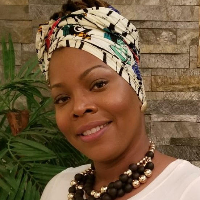
Dr. Farah Ibrahim
CO Psychologist
Compassionate psychologist focusing on attachment and coping
- Stress, Anxiety
- Relationship
- Family
Attachment-based therapy directory
2,630 therapists list trauma and abuse among the things they work with. All offer sessions online, and every profile shows the registering body, the membership number and when it runs to.
Here you can browse profiles of therapists who list trauma and abuse as a specialty, with details on approaches, credentials, languages, and focus areas. Use the listings below to learn about how clinicians describe their work and which professionals may match what you need.
CO Psychologist
Compassionate psychologist focusing on attachment and coping
LPCC, LPC
Compassionate therapist focused on relationships and growth
LIMFT, LPCC
Practical, relational therapy for everyday struggles
LPC, LPCC
Practical, attachment-aware counseling for life changes
LPC
Compassionate counselor helping people rebuild connection
LMHC
Practical support for stress and attachment
LCSW
Attachment-informed care for life's hard moments
LPC, LPCC
Gentle, practical help for deep emotional work
LMHC
Compassionate counselor focused on attachment and coping
LMFT
Compassionate LMFT focusing on attachment and healing
LPC
Compassionate counseling for stronger relationships
LPC
Calm, practical help for attachment and life stressors
LMHC
Skilled guide for stress, relationships, and healing
LCSW
Calm, relationship-focused therapy for everyday life
MD, LCPC
Compassionate, focused relationship and life counseling
LCSW
Practical, warm therapy for attachment and stress
LPC
Healing attachment and building coping skills
LPC, LPCC
Practical therapy for stress and relational healing
LMHC
Calm, practical support for lasting change
LCSW, LCSW-R
Compassionate support for emotional recovery
LMHC
Practical, steady support for life’s hard moments
LPC
Calm practical counseling focused on relationships
LCSW
Attachment-focused therapist helping with anxiety and trauma
LPC
Grounded, practical counseling for overwhelmed adults
LCSW
Practical, compassionate therapy for life transitions
LISW, LCSW, CSW
Compassionate clinical social worker focusing on attachment
LCSW
Supportive social worker focused on relationships and coping
LCSW
Therapist focused on attachment and practical support
LICSW, LCSW, CSW
Supportive therapy for life transitions and attachment
LCPC
Compassionate therapist for clearer self-talk
NY Psychoanalyst
Experienced psychoanalyst focusing on attachment and coping
MD, LCSW-C
Compassionate, practical therapy for life changes
LCSW
Calm, practical support for emotional and relationship strain
LISW
Compassionate attachment-focused social worker
LMSW
Attachment-informed social worker focused on life changes
LPC
Experienced counselor focused on relationships and healing
LICSW
Calm, experienced therapist focused on relationships
LCSW
Experienced LCSW focusing on attachment and life changes
LMHC
Experienced attachment-informed counselor
LMHC
Compassionate counselor for attachment and life change
LPC
Compassionate counseling for complex emotions
Some links on this page are partner links. We will earn a commission if you sign up through one, at no cost to you. It does not change what you pay or the order of the listings.
Trauma refers to emotional, psychological, or physical responses to events or patterns of events that overwhelm a person’s ability to cope. Abuse can be a root cause of trauma when harmful behaviors are repeated or when a single incident is intensely frightening or violating. Trauma and abuse take many forms including interpersonal violence, childhood neglect, sexual assault, emotional manipulation, and accidents or medical events. The impact is not limited to moments of crisis - it can shape how you relate to yourself and others, influence daily functioning, and affect your sense of safety.
People who have experienced trauma often report changes in memory, mood, and bodily sensations. You might notice intrusive memories, vivid flashbacks, or avoidance of places and conversations that remind you of the events. Emotions can swing between numbness and intense reactivity, and everyday stressors may feel magnified. Physical symptoms such as headaches, sleep disruption, and heightened startle responses are common, as the nervous system remains on high alert. Over time these reactions can change relationships, work life, and your overall sense of wellbeing.
Understanding trauma and abuse as responses to overwhelming events rather than as personal failure helps you approach healing with curiosity and compassion. Healing often includes learning new ways to manage strong emotions, rebuilding a sense of safety in your body and relationships, and connecting with supportive others. Therapy is one avenue people pursue to build skills, process memories, and create strategies that reduce the power of past events over the present.
You may benefit from therapy if past experiences leave you feeling stuck, reactive, or exhausted. Persistent patterns such as difficulty trusting others, repeated conflicts in relationships, or a tendency to withdraw socially can point toward unresolved trauma. You might find that certain reminders - smells, places, or anniversaries - trigger disproportionate fear or distress. Sleep problems, nightmares, chronic anxiety, depression, or a sense of being disconnected from your body and emotions are additional signals that professional support could help.
If you notice avoidance behaviors - steering clear of activities, conversations, or people that might bring up memories - that avoidance can limit your life in ways that feel intolerable over time. You might be coping through self-harm, substance use, or overwork, which can feel like short-term relief but create more challenges long-term. Therapy can provide a place to identify these patterns and develop safer, more effective coping strategies. Even if you are unsure whether what you experienced qualifies as trauma, therapists who list trauma and abuse among their specialties can help you explore how events have shaped your experience and what steps might reduce distress.
Seeking help is not a sign of weakness. It is a step toward understanding the ways past events shape present choices and toward building skills to respond differently. You do not need to have a formal diagnosis to benefit from trauma-focused therapy; many people find value in beginning conversations about their history and symptoms.
Therapy for trauma and abuse typically begins with building a working relationship where you can feel heard and understood. Early sessions often focus on safety, stabilization, and assessment. Safety in therapy means creating a predictable, respectful process where you and the clinician agree on goals and methods. You and the therapist will likely talk about symptoms, history, and current challenges so that care can be tailored to your needs. Assessments may include questions about sleep, mood, triggers, coping strategies, and supports.
As you progress, therapy may move into processing memories and learning new ways to regulate intense emotions. Depending on your preferences and the therapist’s approach, processing could involve talking through memories, paying attention to bodily sensations, practicing grounding exercises, or using structured interventions that help rework distressing responses. Expect a pace set by your readiness - many clinicians emphasize establishing coping skills and stress management strategies before engaging deeply with traumatic memories. You should also expect that therapy can be emotionally demanding at times, but that a thoughtful plan and collaboration with your clinician aim to minimize retraumatization.
Therapy sessions provide opportunities to rehearse new relational patterns, practice boundaries, and explore how past dynamics carry over into current relationships. Homework or between-session practices may be suggested to build skills, but nothing should be forced. Good trauma-focused work balances processing painful material with practical strategies to improve day-to-day functioning and resilience.
There is a range of approaches clinicians describe when they work with trauma and abuse. Some therapists focus on mind-body ways of working that pay attention to physiological responses and teach grounding, breathing, and body awareness practices. Others describe cognitive-behavioral approaches that look at the connections between thoughts, feelings, and behavior and help you develop different ways of interpreting triggers. There are also therapists who list expressive and relational approaches that use narrative, art, or role-based methods to help you reframe and integrate difficult memories.
Many clinicians note use of structured protocols that aim to reduce the intensity of traumatic memories while building coping skills. When exploring therapist profiles you may see references to specific approaches; remember that listings indicate what a therapist uses or draws on, not an external certification. You can ask about how an approach would be applied in your care and how your experience and preferences guide the work. Some approaches emphasize short-term symptom reduction while others focus on deeper relational repair and identity work over a longer period.
Ultimately, the approach matters less than how well it is adapted to your needs. Therapists who list trauma and abuse as a focus often combine elements from different frameworks, shaping a personalized path that addresses both symptoms and the broader effects of hurt on your life and relationships.
Online therapy offers ways to connect with clinicians who list trauma and abuse among their focuses from your home or other locations that feel comfortable to you. Sessions typically happen through video or phone calls, and some therapists offer text or messaging for limited communications between appointments. Online work can make access easier when you are managing transportation, scheduling, or geographic constraints. It also allows you to choose clinicians who speak your language or have experience with particular cultural contexts even if they are not nearby.
When working online, you and the therapist will discuss how to handle moments of high distress during or after a session and put a plan in place for grounding and follow-up. You should talk about what to do in a crisis and how to reach local supports if needed. Many online clinicians take a phased approach similar to in-person care - building safety and coping strategies before deeper processing. If you prefer a mix of in-person and online work, some clinicians note both in their profiles and may discuss hybrid plans during initial conversations.
Begin by thinking about what matters most to you - approaches you resonate with, cultural and language needs, gender or identity considerations, and the kinds of life experience you want your clinician to understand. Read profile descriptions to see how therapists describe their focus areas, approaches, and populations they work with. Look for clinicians who explicitly mention trauma and abuse if that specificity feels important. You can also note how they describe their therapeutic stance - whether they emphasize coping skills, relational repair, somatic work, or narrative processing - and imagine which style feels like a good fit for you.
When you contact a clinician, it is reasonable to ask about their experience with trauma-related concerns, how they integrate different approaches, and what a typical session might look like. You might inquire how they handle intense emotional reactions and what supports they recommend between sessions. Consider practical details as well, such as session length, communication style, and whether the clinician lists languages that match your needs. Trust your instincts about the therapist’s description and tone; the way a clinician communicates before you begin work can be informative about how they will partner with you.
Finding the right fit can take time, and it is normal to meet with more than one clinician before choosing someone to work with. The directory listings are a starting point to learn about how therapists describe their specialties, approaches, and backgrounds. From there you can reach out, ask questions, and decide who feels like the right match for the kind of healing and growth you want to pursue.