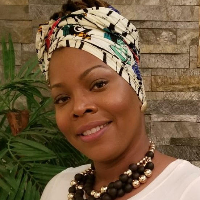
Dr. Farah Ibrahim
CO Psychologist
Compassionate psychologist focusing on attachment and coping
- Stress, Anxiety
- Relationship
- Family
Attachment-based therapy directory
2,515 therapists list attachment issues among the things they work with. All offer sessions online, and every profile shows the registering body, the membership number and when it runs to.
Find therapists who focus on attachment issues, relationship patterns, and emotional connection. Browse the listings below to compare approaches, credentials, languages, and experience to help you choose a good match.
CO Psychologist
Compassionate psychologist focusing on attachment and coping
LPCC, LPC
Compassionate therapist focused on relationships and growth
LIMFT, LPCC
Practical, relational therapy for everyday struggles
LPC, LPCC
Practical, attachment-aware counseling for life changes
LPC
Compassionate counselor helping people rebuild connection
LMHC
Practical support for stress and attachment
LCSW
Attachment-informed care for life's hard moments
LMFT
Therapist focused on attachment and relationships
LPC, LPCC
Gentle, practical help for deep emotional work
LMHC
Compassionate counselor focused on attachment and coping
LMFT
Compassionate LMFT focusing on attachment and healing
LPC
Compassionate counseling for stronger relationships
LPC
Calm, practical help for attachment and life stressors
LCSW
Calm, relationship-focused therapy for everyday life
LMHC, LCPC
Practical support for stress and life change
LCSW
Practical, warm therapy for attachment and stress
LPC
Healing attachment and building coping skills
LPC, LPCC
Practical therapy for stress and relational healing
LCSW
Attachment-informed therapist focused on practical change
LMHC
Calm, practical support for lasting change
LCMHC
Support for stress, loss, and relationship strain
LCSW, LCSW-R
Compassionate support for emotional recovery
LMHC
Practical, steady support for life’s hard moments
LPC
Calm practical counseling focused on relationships
LCSW
Attachment-focused therapist helping with anxiety and trauma
LPC
Grounded, practical counseling for overwhelmed adults
LCSW
Practical, compassionate therapy for life transitions
LISW, LCSW, CSW
Compassionate clinical social worker focusing on attachment
LCSW
Supportive social worker focused on relationships and coping
LCSW
Therapist focused on attachment and practical support
LMFT
Compassionate, practical therapy for attachment and mood concerns
LICSW, LCSW, CSW
Supportive therapy for life transitions and attachment
LCPC
Compassionate therapist for clearer self-talk
NY Psychoanalyst
Experienced psychoanalyst focusing on attachment and coping
MD, LCSW-C
Compassionate, practical therapy for life changes
LCSW
Calm, practical support for emotional and relationship strain
LISW
Compassionate attachment-focused social worker
LMSW
Attachment-informed social worker focused on life changes
LPC
Experienced counselor focused on relationships and healing
LICSW
Calm, experienced therapist focused on relationships
LPC
Compassionate counselor focused on attachment and action
LCSW
Experienced LCSW focusing on attachment and life changes
Some links on this page are partner links. We will earn a commission if you sign up through one, at no cost to you. It does not change what you pay or the order of the listings.
Attachment refers to the ways people form emotional bonds and expectations about relationships, often starting in early life. When those early relationships were inconsistent, distant, or overly enmeshed, you may carry patterns into adult friendships, romantic partnerships, and parenting. Attachment issues can influence how you respond to intimacy, handle conflict, or soothe yourself when stressed. You might notice a recurring sense of mistrust, fear of abandonment, or difficulty relying on others even when you want closeness. These patterns are not a fixed identity; they are ways of coping that developed for understandable reasons and that can shift with insight and practice.
Because attachment patterns are relational by nature, they often show up in interactions rather than as isolated symptoms. You may find that certain triggers - criticism, emotional distance, or perceived rejection - rapidly reshape your mood and behavior. Understanding attachment gives you a framework to see those automatic reactions as responses to unmet relational needs, rather than personal failures. That perspective can reduce shame and open a path toward practicing new ways of relating that feel more satisfying and less reactive.
Deciding whether to seek help often begins with noticing how your relationships affect your well-being. If you repeatedly end up in relationships that feel unstable, or if you push people away when they get close, you may be experiencing attachment-related patterns. You might struggle with persistent anxiety about your partner's feelings, or alternatively, keep an emotional distance to avoid getting hurt. Some people recognize a cycle of idealizing new partners then becoming critical or withdrawing as intimacy grows. Others find themselves overly dependent on reassurance or experience intense jealousy that interferes with trust.
You may also notice attachment dynamics in your friendships and family relationships. Difficulty setting boundaries, frequent misunderstandings about expectations, or chronic loneliness despite social contact can all point to attachment issues. If childhood experiences - such as loss, frequent moves, parental inconsistency, or caregiving that felt unavailable - come to mind, those memories can help explain present patterns without defining your capacity for change. Therapy can offer a space to explore these patterns, build emotional regulation skills, and practice different ways of relating in relationships that matter to you.
When you begin work on attachment issues, sessions typically blend exploration of your relationship history with attention to the ways you relate in the present. Early conversations often involve mapping your patterns - how you react under stress, what you need from others, and how you learned to meet those needs. Your therapist will usually help you identify recurring themes and moments when old patterns are activated. This awareness is practical: once you recognize the pattern, you can experiment with responding differently in real time.
Therapy for attachment often emphasizes the therapeutic relationship itself as a laboratory for change. You will have opportunities to experience a different kind of interpersonal dynamic in sessions - one where reparative conversations and consistent responses model alternatives to past interactions. Sessions may include work on emotion regulation, communication skills, boundary-setting, and reflecting on partner dynamics. Over time you can expect to develop increased self-awareness, more flexible responses to relational stress, and clearer ways of articulating your needs. Progress is typically gradual and relational, anchored by concrete practices you can try between sessions.
There is no single pathway that fits everyone, and therapists often draw from multiple approaches to address attachment. You will find therapists who list attachment-based therapy, psychodynamic approaches, emotionally focused therapy, cognitive behavioral strategies, and experiential methods among their approaches. Some therapists also list trauma-informed methods or somatic work to help with body-based symptoms of dysregulation. When a therapist lists these approaches, it indicates the orientation of their practice rather than an asserted certification.
Attachment-focused work typically integrates exploration of early relationships with present-day interventions. For example, a therapist who emphasizes attachment may help you trace the origin of an automatic response and then practice new interactional skills that change its trajectory. Cognitive strategies can help you reframe unhelpful interpretations of partner behavior. Emotion-focused work can guide you to identify and process underlying feelings that drive defensive reactions. Somatic approaches can help you notice bodily signals that precede emotional escalation and learn grounding techniques. The mix and pace of these methods will depend on your goals, preferences, and the therapist's approach to relational work.
Online therapy offers flexibility that can be particularly useful when you are exploring relational patterns. Sessions over video allow you to meet with a therapist from a comfortable environment, which can make it easier to bring up sensitive topics. Many people find that the virtual format supports continuity of care across life transitions like moves or schedule changes. When you work online, you can still experience an interpersonal connection and practice new ways of relating - the relational process is what matters most, regardless of whether it occurs in person or via video.
Technology platforms vary in how they protect your data and manage session logistics. You can expect to use a protected platform for video or messaging, appointment scheduling, and payment. Therapists often explain their communication preferences and what to expect between sessions at the start of care. If you plan to involve a partner or family member in therapy, many clinicians facilitate joint sessions online as well. The online setting can allow couples or family members in different locations to participate together in relational work.
Choosing a therapist is a personal process that benefits from clarity about your goals. Begin by considering what you want to change in your relationships and which settings feel most comfortable for you. Look for therapists who explicitly mention attachment issues, relational patterns, or work with adult relationships among their focus areas. Pay attention to the approaches they list - for example, therapists who list emotionally focused therapy, attachment-based approaches, or psychodynamic perspectives may emphasize the relational and developmental roots of attachment. If you are interested in body-centered or trauma-informed work, seek clinicians who list those approaches among their offerings rather than assuming training.
Consider practical factors such as language, cultural competence, therapy format, and session length. Read profiles to learn about a therapist's style and population focus - some clinicians work primarily with individuals, others with couples or parents - and choose someone who aligns with your relational context. It is reasonable to ask questions about how a therapist typically works with attachment patterns, what a typical session looks like, and how they measure progress. Thinking ahead about insurance, fees, and session logistics can help you find a sustainable fit. Above all, trust your sense of whether the therapist's description feels relatable and whether you can imagine building a working relationship with them.
Working on attachment issues is a process of learning new relational habits and increasing emotional flexibility. With the right support, you can change how you connect, communicate, and care for yourself in relationships. Use the listings above to explore therapists who list attachment work among their specialties, and consider profiles, approaches, and languages as you identify a therapist who matches your needs.