- Licensed inColorado
- LicensePSY.0003172
- NPI 1366165409
- Experience40+ years
- LanguagesEnglish
Details are as listed on the therapist's public professional profile. You can check any license with the state board and any NPI with the national registry.
About Farah
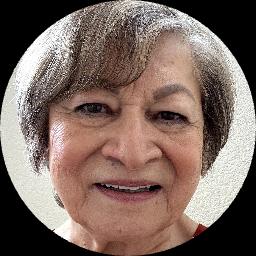
Dr. Farah Ibrahim is a Colorado psychologist with four decades of experience helping people manage stress, anxiety, depression, grief, addiction, and relationship or family concerns. She works with adults who face life changes, parenting strain, intimacy and communication problems, or the fallout of trauma and abuse.
Dr. Ibrahim emphasizes clear, calm conversation and practical steps people can use between sessions. Clients can expect a warm, nonjudgmental space where feelings and worries are named and explored.
Background and approach
She uses an attachment-based outlook to understand how early bonds shape current relationships and emotional responses. That perspective is paired with client-centered care and cognitive-behavioral strategies to address unhelpful thoughts and behaviors. Her background includes long-term clinical work and academic roles teaching and supervising master's and doctoral students at research universities.
She draws on that history to blend experience with a straightforward approach in session. The goal is realistic progress, not quick fixes. Sessions may include mindfulness exercises, focused problem-solving, and conversational coaching about communication and boundaries.
She pays attention to cultural identity and social factors that affect daily life and relationships. Practical tools and small experiments between sessions are often used to build change over time. Dr.
Ibrahim is licensed in Colorado as CO Psychologist PSY.0003172 and offers therapy remotely to people in English. Her style is steady, collaborative, and geared toward helping people find clearer ways to cope, connect, and move forward.
Credentials
- Psychologist (Colorado)
- License PSY.0003172 · expires August 2027
- NPI
- 1366165409 · national provider identifier
Both are public records. A state board register will confirm a license and its standing, and the national registry will confirm an NPI. This directory copies what the therapist lists and checks neither.
Focus areas and approaches
Everything Farah lists on their public professional profile, in their own terms.
- Stress, Anxiety
- Relationship issues
- Family conflicts
- Trauma and abuse
- Self esteem
- Addictions
- Grief
- Intimacy-related issues
- Parenting issues
- Anger management
- Career difficulties
- Bipolar disorder
- Depression
- Coping with life changes
- Coaching
- Compassion fatigue
- ADHD
- Abandonment
- Adoption and foster care
- Aging and geriatric issues
- Attachment issues
- Blended family issues
- Body image
- Caregiver issues and stress
- Chronic pain, illness, and disability
- Codependency
- Commitment issues
- Communication problems
- Control issues
- Coping with natural or human-caused disaster
- Divorce and separation
- Family of origin issues
- Family problems
- Fatherhood issues
- Forgiveness
- Gender dysphoria
- Guilt and shame
- Hospice and end-of-life counseling
- Immigration issues
- Impulsivity
- Infidelity
- Isolation / loneliness
- Jealousy
- Life purpose
- Men's issues
- Midlife crisis
- Money and financial issues
- Mood disorders
- Multicultural concerns
- Narcissism
- Obsessions, compulsions, and OCD
- Panic disorder and panic attacks
- Paranoia
- Personality disorders
- Phobias
- Postpartum depression
- Post-traumatic stress
- Prejudice and discrimination
- Seasonal Affective Disorder (SAD)
- Self-love
- Sex addiction
- Sexual assault and abuse
- Sexual dysfunction
- Sexuality
- Social anxiety and phobia
- Somatization
- Women's issues
- Workplace issues
- Young adult issues
Approaches Farah names
- Attachment-Based Therapy
- Client-Centered Therapy
- Cognitive Behavioral Therapy (CBT)
- Existential Therapy
- Mindfulness Therapy
Naming an approach is not evidence of training in it. This directory copies what each therapist lists and does not check training records.
Online support
How attachment and practical therapies work online
Attachment-based therapy focuses on how early relationships shape current emotions and patterns. Online sessions use that lens to help people notice how they relate to others, repair hurtful interaction habits, and build safer ways of connecting. Client-centered therapy puts the person t the center of the work; the therapist listens closely, reflects what is said, and helps people discover their own solutions to problems such as stress, career choices, or relationship concerns.Finding the right approach is part of the process. The therapist will collaborate with each person to decide whether attachment ideas, client-centered listening, or cognitive-behavioral techniques fit best for their goals. That choice can change over time as needs and priorities shift.
Online therapy by video calls, phone, live chat, or text-based messaging offers practical benefits. Video lets people work face-to-face when a deeper conversation is needed. Phone sessions are useful when bandwidth is limited or when a shorter check-in is preferred. Live chat and text messaging can provide brief support, ongoing coaching, and quick follow-up between longer sessions. These options make it easier to fit therapy into busy schedules and to keep continuity when life is unpredictable.
We will earn a commission if you sign up through our link, at no cost to you. It does not change what you pay or the order of the listings.
Frequently asked
What concerns does this therapist work with?
Dr. Ibrahim helps people with stress, anxiety, depression, grief, addictions, relationship and family issues, trauma and abuse, self-esteem, intimacy challenges, parenting strain, ADHD, and related life changes.
How would sessions feel and what approach is used?
Sessions are conversational and nonjudgmental. She combines an attachment-based outlook with client-centered care and cognitive-behavioral techniques to address feelings, thoughts, and relationship patterns.
What is her professional background?
She brings 40 years of clinical and teaching experience, including professorial roles supervising master's and doctoral students at research universities.
Where is the therapist licensed and located?
She is licensed in Colorado as CO Psychologist PSY.0003172 and practices from that state.
In which languages are sessions offered?
Sessions are offered in English, and international clients are accepted.
What session formats are available?
Therapy is offered via video calls, phone sessions, live chat, and text-based messaging to suit different needs and schedules.
How are costs and payment handled?
Cost varies with location and therapist arrangements; sessions use a subscription model that can be canceled at any time.
How do I begin working with this therapist?
Start by selecting the Start Therapy button, complete a short matching questionnaire, and then schedule sessions according to the therapist's availability.
More therapists in Colorado
See all
Dr. Wanetta "Nita" Hughes Bise
LPC
Therapist offering steady, compassionate support
- Relationship
- Trauma and abuse
- Parenting
William Holt
LPC
Compassionate counselor focused on relationship patterns
- Stress, Anxiety
- Trauma and abuse
- Grief
Katherine Magill
LPC
Warm counselor blending attachment and practical skills
- Stress, Anxiety
- Family
- Trauma and abuse
Is this your profile?
Ask us to correct details or take the page down.
Contact us