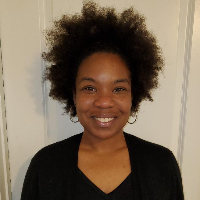
Dr. Farah Ibrahim
CO Psychologist
Compassionate psychologist focusing on attachment and coping
- Stress, Anxiety
- Relationship
- Family
Attachment-based therapy directory
540 therapists list gender dysphoria among the things they work with. All offer sessions online, and every profile shows the registering body, the membership number and when it runs to.
This directory page helps you find clinicians who list gender dysphoria among their specialty areas. Browse the listings below to compare practitioners' approaches, credentials, languages, and areas of experience as you look for a good fit.
CO Psychologist
Compassionate psychologist focusing on attachment and coping
LPCC, LPC
Compassionate therapist focused on relationships and growth
LMHC
Practical support for stress and attachment
LCSW
Practical, warm therapy for attachment and stress
LPC
Healing attachment and building coping skills
LMHC
Calm, practical support for lasting change
LISW, LCSW, CSW
Compassionate clinical social worker focusing on attachment
LCPC
Compassionate therapist for clearer self-talk
NY Psychoanalyst
Experienced psychoanalyst focusing on attachment and coping
LCSW
Calm, practical support for emotional and relationship strain
LICSW
Calm, experienced therapist focused on relationships
LMHC
Compassionate LMHC focusing on attachment and connection
LPC
Compassionate counselor focused on attachment and recovery
LMFT, LCMFT
Relationship healing and boundary building
LMFT
Attachment-minded LMFT offering practical support
LPC-MHSP
Therapist focused on real-life change
LMHC
Compassionate counselor blending attachment and practical skills
LPC
Holistic support for stress and relationship patterns
LPC
Compassionate therapist helping people build stable connections
LCSW
Therapist focused on attachment and coping
LPC
Compassionate care for relationship and emotional struggles
LCSW
Compassionate LCSW focused on attachment and healing
LPC
Compassionate counselor blending mind and body care
LICSW
Compassionate, experienced therapist focused on relationships
LPC
Compassionate counselor combining practical skills and attachment work
LCPC
Calm, experienced counselor focusing on attachment
LMFT
Compassionate therapist for attachment and life changes
LMHC
Practical, attachment-informed care for everyday struggles
LCSW
Compassionate therapist focused on attachment and healing
LPC
Practical, compassionate counseling focused on connection
LMHC
Compassionate listener who helps unpack old relational wounds
LPC
Relationship and emotional resilience counselor
LCSW
Practical, compassionate therapy for relationships and stress
LMHC
Compassionate therapy grounded in relationships
LCSW, CSW
Warm, practical therapy for life’s hard moments
LCSW
Compassionate LCSW focused on relationship healing
LCSW
Calm guidance for stress and attachment concerns
LCPC
Compassionate, practical therapy for life transitions
LMFT
Therapist focusing on relationships and coping skills
LCSW
Compassionate LCSW focused on attachment and change
Some links on this page are partner links. We will earn a commission if you sign up through one, at no cost to you. It does not change what you pay or the order of the listings.
Gender dysphoria refers to a mismatch between the gender you were assigned at birth and the gender you experience internally. For some people this mismatch is a longstanding and central part of their sense of self. For others it may emerge or become clearer at different stages of life. The experience can involve distress, discomfort, or a persistent desire to live and be recognized in a different gender. How that shows up depends on your age, culture, family, social context, and personal history.
People who experience gender dysphoria often describe emotional and practical impacts. You might find yourself avoiding social situations, feeling anxious about body-related experiences, or struggling with work or school because of how others perceive you. Dysphoria can also influence relationships with family, partners, and coworkers, making conversations about names, pronouns, or physical changes feel fraught. Many people seek support to reduce distress, explore identity, navigate steps like social transition, or coordinate with medical professionals when medical options are being considered.
If you feel persistent sadness, anxiety, or a sense of being stuck because your gender identity does not align with expectations placed on you, therapy may help. You might notice that thoughts about gender take up a lot of emotional energy, or that you are experiencing low self-esteem tied to body image or social role. Therapy is a place to explore these feelings without pressure to make immediate decisions, and to develop coping tools to manage acute distress.
Therapy can also be helpful if practical matters related to gender cause ongoing stress. You may be preparing for a name or gender marker change, considering steps toward social transition, navigating relationships or family dynamics, or trying to coordinate medical consultations. If these processes feel overwhelming, or if you want support in communicating your needs to others, a therapist can help you plan and practice conversations and manage the emotional fallout that sometimes accompanies transition-related steps.
Early sessions usually involve getting to know you as a whole person - your history, current concerns, identity, support network, and what you hope to get from therapy. You can expect questions about your gender experience, how dysphoria shows up, coping strategies you already use, and any mental health symptoms you are managing. This phase is often collaborative, with you and the clinician setting goals together and creating a plan that reflects your priorities.
Therapy for gender dysphoria is not one-size-fits-all. Some people focus on short-term coping skills for intense moments of dysphoria, while others take a longer-term approach to identity integration, relationship work, or trauma processing. Sessions may explore social planning, body image, family conversations, and distress tolerance skills. You might use therapy as a space to explore options without feeling pressured to take specific steps, or you may seek support that integrates emotional processing with practical planning for social or medical transitions.
Therapists who work with gender dysphoria often draw from a variety of approaches. Cognitive and behavioral methods can help you examine thoughts and behaviors that maintain distress and build new coping strategies. Psychodynamic and relational approaches may focus on how identity developed in the context of relationships and early experiences. Humanistic methods emphasize acceptance and exploration of self, while trauma-informed approaches attend to past harms that can intensify dysphoria. You may also find therapists who list narrative, existential, or somatic approaches among their work. When browsing listings, note how clinicians describe their approaches rather than assuming specific credentials for any modality.
In practice, many clinicians integrate techniques depending on what you need. For instance, a therapist might use cognitive methods to reduce catastrophic thinking about social interactions while also providing space to process grief or loss tied to identity. If body-related distress is central, some therapists who list body-focused or trauma-informed approaches may incorporate interventions aimed at building tolerance and resilience. You can ask potential therapists to describe how they combine approaches when working with gender-related concerns so you get a clearer sense of fit.
Online therapy commonly uses video calls, phone sessions, or text-based messaging tools to connect you with a clinician. You can participate from the comfort of your own space, which can be helpful if local in-person options are limited or if travel is difficult. Before starting, you will want to check practical matters such as session length, fees, and whether the clinician's license covers the state where you are located. Many therapists outline this information in their profiles so you can compare logistical fit alongside clinical approach.
When you choose to work online, discuss privacy practices and boundaries with the clinician at the outset. It is important to agree on how to handle emergencies or situations where you may need immediate in-person help, and to establish a plan that fits your context. You can also discuss how telehealth sessions will be structured, for example whether you will use video or phone, and what to do if technical issues arise. These practical conversations help create a predictable framework so you can focus on the content of your sessions.
Start by reading profiles with attention to the clinician's stated areas of experience, the populations they work with, and the approaches they list. Look for language that indicates familiarity with transgender and nonbinary experiences, and pay attention to pronouns and inclusive wording. It is reasonable to ask potential clinicians about their experience working with gender dysphoria, how they approach social transition or medical coordination, and whether they collaborate with other providers when needed. You can also inquire about the ways they support family members or partners if relationships are part of your goals.
Consider practical factors such as language, cultural background, fee structure, and whether the clinician's licensure aligns with where you are located. An initial session or consultation is often the best way to gauge whether you feel respected and understood. Therapy is most effective when you feel heard and your goals are centered. If you do not feel comfortable with a clinician, it is okay to continue exploring other profiles until you find a better fit. Over time you can reassess goals and methods to ensure the work remains aligned with what you need.
Finding support for gender dysphoria is a personal journey that benefits from thoughtful match-making between you and a clinician. By focusing on how therapists describe their approaches, their experience with gender-related care, and the practical logistics that matter to you, you can make informed choices about who to connect with. Use the listings on this page to compare clinicians and to start conversations that clarify approach, communication style, and how they can support the goals you bring to therapy.