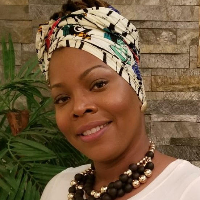
Dr. Farah Ibrahim
CO Psychologist
Compassionate psychologist focusing on attachment and coping
- Stress, Anxiety
- Relationship
- Family
Attachment-based therapy directory
1,998 therapists list abandonment among the things they work with. All offer sessions online, and every profile shows the registering body, the membership number and when it runs to.
On this page you can browse profiles of therapists who focus on abandonment and attachment wounds. Each listing highlights approaches, credentials, languages, and areas of focus to help you evaluate options. Explore the listings below to find professionals who may match what you need.
CO Psychologist
Compassionate psychologist focusing on attachment and coping
LPCC, LPC
Compassionate therapist focused on relationships and growth
LIMFT, LPCC
Practical, relational therapy for everyday struggles
LPC, LPCC
Practical, attachment-aware counseling for life changes
LMHC
Practical support for stress and attachment
LCSW
Attachment-informed care for life's hard moments
LMFT
Therapist focused on attachment and relationships
LPC, LPCC
Gentle, practical help for deep emotional work
LMHC
Compassionate counselor focused on attachment and coping
LMFT
Compassionate LMFT focusing on attachment and healing
LPC
Compassionate counseling for stronger relationships
LPC
Calm, practical help for attachment and life stressors
LMHC
Skilled guide for stress, relationships, and healing
LCSW
Practical, warm therapy for attachment and stress
LPC
Healing attachment and building coping skills
LPC, LPCC
Practical therapy for stress and relational healing
LMHC
Calm, practical support for lasting change
LCMHC
Support for stress, loss, and relationship strain
LCSW, LCSW-R
Compassionate support for emotional recovery
LMHC
Practical, steady support for life’s hard moments
LPC
Calm practical counseling focused on relationships
LCSW
Attachment-focused therapist helping with anxiety and trauma
LPC
Grounded, practical counseling for overwhelmed adults
LISW, LCSW, CSW
Compassionate clinical social worker focusing on attachment
LCSW
Supportive social worker focused on relationships and coping
LMFT
Compassionate, practical therapy for attachment and mood concerns
LICSW, LCSW, CSW
Supportive therapy for life transitions and attachment
LCPC
Compassionate therapist for clearer self-talk
NY Psychoanalyst
Experienced psychoanalyst focusing on attachment and coping
LCSW
Calm, practical support for emotional and relationship strain
LMSW
Attachment-informed social worker focused on life changes
LPC
Experienced counselor focused on relationships and healing
LICSW
Calm, experienced therapist focused on relationships
LPC
Compassionate counselor focused on attachment and action
LMHC
Experienced attachment-informed counselor
LMHC
Compassionate counselor for attachment and life change
LPC
Compassionate counseling for complex emotions
LMHC
Compassionate LMHC focusing on attachment and connection
LCSW
Attachment-informed LCSW offering steady support
Some links on this page are partner links. We will earn a commission if you sign up through one, at no cost to you. It does not change what you pay or the order of the listings.
Abandonment refers to experiences in which a person perceives that someone important has left, withdrawn, or failed to provide emotional or physical presence when needed. Those experiences can occur in childhood, such as early separation from a caregiver, or later in life through relationship breakups, loss, or neglect. What matters most is the impact these events have on how you form expectations about relationships and safety. If you grew up expecting that adults or partners would not be reliably there for you, you may be more vigilant, anxious, or avoidant in close relationships. The experience often shapes core beliefs about worthiness, trust, and predictability in relationships.
People respond to abandonment in many different ways. Some become hypervigilant, scanning for signs that someone might leave again. Others withdraw to protect themselves from the pain of loss. For many, emotional reactions can feel overwhelming - intense fear, anger, shame, or numbness - and these emotions may show up in patterns that repeat over time. Even if a current relationship is healthy, an earlier abandonment experience can color how you interpret small slights, leading to misunderstandings and cycles of reassurance-seeking or distancing.
Your attachment style - the set of expectations and behaviors you bring to relationships - often reflects a lifetime of relational experiences. When abandonment has played a role in shaping attachment, you might find yourself reacting more strongly to changes in availability, interpreting neutral interactions as rejection, or struggling to trust that care will be consistent. These patterns can affect friendships, work relationships, parenting, and romantic partnerships. Understanding how past experiences influence present behavior is a central step in moving toward different relational habits.
If you think abandonment has influenced your relationships, there are several signs that therapy could help. You may notice recurring relationship patterns that leave you feeling anxious, resentful, or chronically lonely. You might find that you either cling to relationships in ways that feel overwhelming or push people away before they can leave. Frequent cycles of worry about being left, difficulty trusting others, or intense reactions to perceived rejection are common indicators that exploring these issues with a professional could be useful.
Beyond relationship patterns, abandonment can contribute to persistent low self-esteem, difficulty setting boundaries, or challenges regulating strong emotions. You might feel stuck in grief about a loss that does not seem to resolve, or you may sense that early separations continue to shape your decisions and sense of safety. If these experiences interfere with day-to-day functioning, work, or parenting, working with a therapist who understands attachment and abandonment-related concerns can give you tools to modify automatic reactions and to build more stable connections.
You do not need a crisis to benefit from therapy. Many people seek help because they want to change patterns before they cause more disruption, to learn ways to tolerate closeness without fear, or to repair relationship dynamics. If you find yourself repeating the same hurtful cycles or if old wounds are triggered by new losses, a focused therapeutic approach can help you examine the root causes and practice different ways of relating.
Therapy for abandonment usually begins with building a steady, predictable working relationship with your therapist where you can feel heard and understood. Early sessions often involve gathering your history, exploring significant losses or separations, and identifying recurring patterns in relationships. Together you and your therapist can set goals that are practical and achievable - for example, learning to notice automatic reactions, improving communication in close relationships, or tolerating painful emotions without acting on them impulsively.
As therapy progresses, you will likely explore specific memories and the beliefs that grew out of them, while also working on present-moment skills. You may practice emotion regulation techniques, experiment with different behavioral responses in relationships, and learn ways to repair ruptures when they happen. The pace and focus depend on your goals; some people want short-term work to manage acute grief or a breakup, while others aim for longer-term exploration of attachment history and identity.
An important part of therapy is how the therapeutic relationship itself can model more reliable ways of relating. When a therapist responds to your needs in consistent ways - listening, reflecting, and helping you process feelings - you get an opportunity to experience different patterns than those you learned earlier. That does not erase past pain, but it can give you new evidence to support different expectations and behaviors in your other relationships.
Therapists bring different approaches to abandonment and attachment work, and many combine methods to fit a person’s needs. You may encounter therapists who list attachment-based therapy among their approaches, which emphasizes understanding early relationships and how they shape current patterns. Others may list emotion-focused therapy among their approaches, which helps you access and process feelings tied to losses and separations. Therapists who list cognitive behavioral therapy among their approaches may help you identify and test unhelpful beliefs that maintain fear of abandonment.
Some therapists list somatic or body-centered approaches among their approaches to help you notice and regulate physiological responses that accompany fear and distress. Others list narrative or psychodynamic approaches among their approaches, focusing on how your life story and interpersonal history shape current experiences. When trauma is a factor, you may find therapists who list EMDR among their approaches; phrasing it this way clarifies that the approach is one of several tools a therapist may use. You will want to look for descriptions that align with your comfort level and goals rather than assuming a single method is required.
Effective work often blends insight-oriented exploration with practical skills for managing reactions in the moment. You may benefit most from a therapist who describes an integration of attachment perspective, emotion regulation teaching, and relational repair strategies. Reading profiles to see how therapists describe their focus and style can help you identify which language resonates with your experience and goals.
Online therapy makes it possible to connect with a therapist who understands abandonment issues regardless of geographic distance. Sessions typically occur over video, phone, or text-based messaging platforms and follow a schedule similar to in-person appointments. The online setting can be especially helpful if you find travel difficult, live in a rural area, or prefer to meet from a setting where you feel comfortable. Many people appreciate being able to try a session from their own home or another familiar environment when addressing sensitive relational material.
Choosing a therapist for abandonment work involves a few practical considerations. First, pay attention to how a therapist describes their focus on attachment and abandonment in profiles and intake pages. Look for language that emphasizes relational understanding, emotion work, and a collaborative approach to goals. Note the approaches they list - for example, therapists who list Internal Family Systems among their approaches may focus on internal parts and how they relate to feelings of abandonment. Therapists who list interpersonal therapy among their approaches may emphasize improving how you relate in present relationships. Consider whether the therapist's style - reflective, directive, experiential - matches how you like to work.
Think about logistics such as the communication style used for online sessions, whether they offer evening or daytime times that suit your routine, and whether they list languages you speak. Review credentials and professional background to understand their education and areas of emphasis. Reading a few profiles can help you find therapists whose descriptions feel aligned with your needs and whose approach to abandonment and attachment resonates with you. Starting with an exploratory conversation can also help you get a sense of personal fit and whether their way of working feels supportive as you address abandonment-related concerns.
Working on abandonment and attachment wounds can be challenging, but many people find that focused therapy helps them change patterns, tolerate closeness with less fear, and form more stable connections. By learning to recognize old patterns, practicing new responses, and building a collaborative therapeutic relationship, you can create different outcomes in your relationships and in how you relate to yourself.