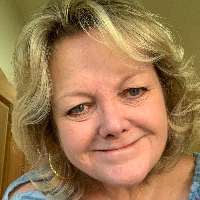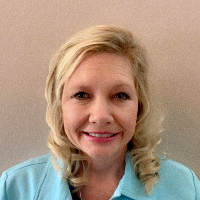
Dr. Farah Ibrahim
CO Psychologist
Compassionate psychologist focusing on attachment and coping
- Stress, Anxiety
- Relationship
- Family
Attachment-based therapy directory
92 therapists based in Colorado name attachment-based therapy among the ways they work. Sessions are online; a therapist can usually only see people in the states where they hold a license, so check the license line on each profile.
Welcome to our directory of online therapists who serve Colorado residents. All therapists listed here are licensed, and many list attachment-focused approaches among their specialties. Explore profiles to compare approaches, languages, and experience and find counselors who fit your needs.
CO Psychologist
Compassionate psychologist focusing on attachment and coping
LPC
Therapist offering steady, compassionate support
LPC
Compassionate counselor focused on relationship patterns
LPC
Warm counselor blending attachment and practical skills
LCSW, CSW
Warm, practical therapy for life’s hard moments
LPC
Calm practical support for emotional challenges
LCSW, CSW
Compassionate support for attachment and life stressors
LPC
Practical, attachment-aware counseling for life changes
LPC
Therapist focused on attachment and practical change
LCSW
Practical, attachment-informed care for adults
LPC
Practical, nonjudgmental counseling focused on attachment
LPC
Direct counselor focused on practical change
LPC
Warm, practical help for relationship and trauma concerns
LCSW, LISW
Insightful support for adult mental health
LPC
Compassionate counselor focusing on relationships and coping
LPC
Compassionate therapist focused on attachment and healing
LPC
Warm, practical counseling for life transitions
LPC
Calm, reflective therapy for life's hard questions
LPC
Practical counseling to rebuild connection and resilience
LCSW, CSW
Compassionate, practical support for relationship and identity concerns
LCSW, CSW
Compassionate LCSW focusing on attachment and coping skills
LPC
Compassionate counselor focused on attachment and coping
LPC
Practical, relationship-focused therapy for life challenges
LCSW, CSW
Calm, practical support for emotional challenges
LCSW, CSW
Practical whole-person therapy for life transitions
LPC
Compassionate therapist focused on relationships and healing
LCSW, CSW
Compassionate attachment-informed therapy for life changes
LPC
Compassionate counselor focused on attachment and coping
LPC
Therapist focused on attachment and practical coping
LPC
Calm, practical therapy for relationship and mood struggles
LCSW, CSW
Compassionate therapist for life’s hard moments
LPC
Compassionate counselor for relationship and trauma recovery
LPC, LCPC
Experienced, practical counseling for life stressors
LPC
Calm, practical support for stress and relationships
LPC
Compassionate counselor focusing on attachment work
LPC
Calm guidance for emotional and relationship challenges
LPC
Compassionate counselor focused on relationship patterns
LMFT
Compassionate therapist focused on relationships and coping
LPC
Compassionate therapist combining attachment and practical skills
LPC
Compassionate counselor for life transitions
LCSW, CSW
Practical, compassionate therapy for life challenges
Some links on this page are partner links. We will earn a commission if you sign up through one, at no cost to you. It does not change what you pay or the order of the listings.
If you live in Colorado and are considering online therapy, you will find a growing range of clinicians offering remote care. Telehealth became more common across the United States in recent years and remains a widely used option in Colorado for people who prefer meeting with a clinician from home, while traveling, or from another comfortable setting. Online therapy in Colorado can be offered by psychologists, licensed professional counselors, clinical social workers, marriage and family therapists, and other licensed mental health professionals who list therapeutic approaches relevant to attachment issues. Because the regulatory landscape continues to evolve, practitioners who provide services online will typically indicate the licensure type they hold and the therapeutic approaches they use in their profiles.
Online therapy can make it easier for you to fit counseling into a busy life. You can connect from a location that works for you without adding long commuting time, which can be especially helpful if you live in a rural part of the state where in-person options are farther away. Many people appreciate the continuity online sessions can offer when work, family obligations, or seasonal travel would otherwise interrupt care. Online formats also expand the pool of therapists you can reach, so you can look for specific expertise, such as attachment-focused work, trauma-informed approaches, or therapists who list EMDR among their approaches. You may find clinicians who offer sessions in your preferred language or who focus on particular age groups, relationship dynamics, or life transitions, making it easier to match the scope of practice to your goals.
Online therapists in Colorado address many of the same concerns that in-person clinicians work with. If you are dealing with relationship strain, attachment injuries, or patterns that repeat across relationships, you can seek therapists who emphasize attachment-related perspectives. People also commonly seek online therapy for anxiety, depression, stress related to work or caregiving, grief and loss, life transitions, and parenting challenges. Some therapists highlight experience with trauma work and list approaches such as EMDR, somatic methods, or internal family systems among their approaches, while others may emphasize cognitive-behavioral strategies or interpersonal therapy. Because online therapy spans a range of approaches, you can prioritize a therapist profile based on the issues you are bringing to therapy and the styles or techniques that resonate with you.
Before you begin working with an online therapist, it helps to confirm that they hold an active license. Colorado maintains online tools through the state regulatory agency where you can look up license status and disciplinary history for many mental health professions. When viewing a profile, note the licensure type listed and use the state license lookup to confirm the clinician’s name, license number, and status. This gives you objective information about whether the clinician is authorized to practice in Colorado under the license they report.
Licenses are issued to specific professions and often include the license number and expiration date. When you check a profile against the state record, look for matching name spellings and license numbers. You can also review whether there are any public actions or restrictions documented. Licensure checks will not tell you about a therapist’s clinical outcomes, but they do provide a formal verification of the professional credential the clinician reports. If a therapist lists work with certain approaches, remember that this indicates they include those methods in their practice rather than proving specialized certification. Taking a few minutes to confirm licensure helps you move forward with more confidence when you decide to reach out.
The first practical step is to identify a set of profiles that match your priorities. You might narrow your search by approach, population focus, language, or years of experience listed in profiles. Consider what matters most to you: an attachment perspective, work with couples, experience supporting parents, or clinicians who list trauma approaches among their offerings. Once you have a shortlist, read profiles carefully to learn about the therapist’s approach to care, the types of challenges they mention, and whether they describe a client population similar to yours.
When you contact a therapist’s office or intake team, you can ask practical questions about format - for example whether they conduct sessions by video or phone and how they structure initial consultations. You can also inquire about typical session length, fees, and whether they bill insurance or provide superbills you can submit to your plan. It is appropriate to ask how they approach attachment-related work and to request a brief description of what a typical early session might focus on. Asking these questions early helps you understand whether the clinician’s style and approach are a good fit for your goals.
Choosing the right therapist often comes down to fit more than credentials alone. Think about the qualities that help you feel comfortable and supported. Some people prefer a therapist who emphasizes practical strategies and homework, while others want a therapist who focuses on emotional processing and relational patterns. If attachment is a central concern for you, look for therapists who explicitly mention attachment-focused work or who describe how they address relationship dynamics. If you are interested in certain modalities, find clinicians who list those approaches among their methods rather than assuming specialized certification. Language and cultural understanding can also be crucial, so prioritize therapists who list fluency in the language you prefer and who describe experience with issues relevant to your background.
It is normal to contact more than one therapist before you decide who to work with. Many people find that an initial conversation clarifies whether the therapist’s communication style and approach resonate. Pay attention to how the therapist explains their work and whether their responses answer your core concerns. Practical details matter too - consider whether the session format and scheduling rhythm fit your routine. Ultimately, choosing a therapist is a personal decision that balances professional credentials, stated approaches, and the interpersonal connection you feel during early interactions. Taking a thoughtful approach to your search increases the likelihood that you will find a clinician who supports your progress.
Once you begin working with an online therapist, set clear goals for what you want to accomplish. Discussing expectations, session cadence, and how you will track progress helps both you and the therapist stay focused. Create a comfortable setting where you can speak openly, minimize interruptions, and ensure your technology works well. If you encounter practical barriers, let your therapist know so you can troubleshoot together. Many people find online work effective when they combine reflective exercises between sessions with consistent appointment times. Over time, you and your therapist can adjust the focus and frequency of sessions to match your evolving needs.
Searching for a therapist in Colorado is a personal process that benefits from clarity about what you want, careful review of profiles, and simple licensure checks. Use the directory to explore therapists who list attachment-focused and related approaches, compare backgrounds and languages, and reach out to clinicians who seem aligned with your goals. With a thoughtful approach, you can find an online therapist who helps you move toward the changes you want to make.