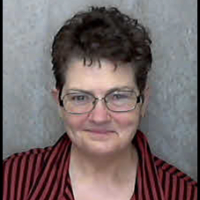
Fred (Frederick) Theobald
LPC, LPCC
Gentle, practical help for deep emotional work
- Stress, Anxiety
- Addictions
- LGBT
Attachment-based therapy directory
295 therapists based in Texas name attachment-based therapy among the ways they work. Sessions are online; a therapist can usually only see people in the states where they hold a license, so check the license line on each profile.
Welcome to our directory of online therapists serving Texas. All therapists listed are licensed in Texas - explore profiles to compare approaches, focus areas, credentials, languages and experience.
LPC, LPCC
Gentle, practical help for deep emotional work
LPC
Grounded, practical counseling for overwhelmed adults
LCSW
Calm, practical support for emotional and relationship strain
LPC
Experienced counselor focused on relationships and healing
LPC
Compassionate counselor focused on attachment and action
LPC
Experienced counselor focused on connection and coping
LCSW
Practical, strengths-based therapy for adults
MD, LCSW-C, LCSW
Experienced clinician combining medical and social work perspectives
LPC
Compassionate counselor using creativity and attachment insights
LMFT
Compassionate therapist for relationship and stress concerns
LCSW
Seasoned LCSW helping with life transitions
LPC
Compassionate counselor focusing on relationships
LPA-IP
Compassionate clinician focused on attachment and coping
LMFT
Attachment-focused therapist for relationships and trauma
LPC
Holistic support for stress and relationship patterns
LPC
Experienced attachment-focused counselor
LPC
Practical, compassionate counseling focused on connection
LPC
Compassionate counselor for relationship and life challenges
LPC
Compassionate counselor focused on attachment and change
LMFT
Relationship-focused therapist with 25 years experience
LPC
Attachment-informed counselor focused on coping and growth
LMFT
Therapist who focuses on relationships and healing
LPC
Relationship and emotional resilience counselor
LPC
Compassionate, practical support for everyday struggles
LCSW
Practical, compassionate therapy for relationships and stress
LCSW
Experienced LCSW focused on steady, practical therapy
LCSW
Attachment-informed social worker focusing on practical skills
LCSW
Compassionate attachment-informed clinical social worker
LPC
Gentle, practical care for life’s hard moments
LPC
Attachment-informed counselor focused on practical change
LCSW
Calm, practical therapy grounded in relationships
LCSW
Compassionate clinician helping people find steadier footing
LCSW
Attachment-focused clinician for trauma recovery
LPC
Compassionate counselor focused on connection and action
LPC
Compassionate counselor for relationship and life struggles
LPC
Compassionate counselor focusing on attachment and recovery
LPC
Attachment-informed counselor focused on skills and safety
LPC, LMHC
Compassionate therapist helping people make workable choices
LPC
Compassionate therapist focusing on attachment healing
Some links on this page are partner links. We will earn a commission if you sign up through one, at no cost to you. It does not change what you pay or the order of the listings.
In recent years you have more options than ever for connecting with a therapist from wherever you live in Texas. Many mental health professionals use video and phone sessions to provide counseling to people across the state, allowing you to work with clinicians who may be located in a different city or region. State licensing rules determine where a clinician is allowed to practice, so therapists who offer online services in Texas will indicate that they are licensed to serve clients within the state. Online therapy can take several forms, including individual sessions, couples counseling and family work conducted by video or phone. The technology is usually straightforward - a webcam and a quiet room are enough to begin. When you explore listings you will see profiles that describe focus areas, the approaches therapists list among their methods, the populations they work with and languages spoken. That information helps you narrow the field to clinicians whose descriptions align with the kind of support you are seeking.
Licensing ensures that a professional meets state requirements to practice within Texas, and clinicians who list online services will typically state where they are licensed. Because rules about interstate practice and telehealth evolve, you should look for profiles that clearly say the therapist is licensed in Texas. Profiles also often note whether a clinician lists experience with remote care and what platforms or formats they use. This overview helps you find someone whose way of working fits your expectations for virtual sessions.
Online therapy removes many geographic barriers and can make it easier for you to access care without long drives or difficult commutes. Whether you live in a dense urban area, a small town or a rural region, online sessions let you connect with clinicians who focus on the issues you bring. For some people online work can feel more comfortable because you remain in a familiar setting, and the convenience of attending from home can reduce logistical stress related to childcare, work schedules or transportation. You may also find a wider range of language options and cultural backgrounds among therapists who offer online services, which can help you find someone who understands your lived experience.
Online therapy can also support continuity of care if you travel or move within Texas. Because many therapists structure sessions to be delivered by video or phone, you can maintain the same therapeutic relationship across changes in location within the state as long as the clinician remains licensed to practice in Texas. Finally, online formats allow for flexible session structures - some clinicians arrange shorter check-ins or longer therapy sessions depending on your needs - and can be a practical way to try out a therapist's approach before committing to an ongoing schedule.
Therapists who offer online services in Texas work with a broad range of concerns. Many profiles describe work with anxiety, depression, grief and relationship challenges, while others focus on life transitions, parenting, trauma and stress related to work or caregiving. You will also find clinicians who list specialty areas such as perinatal mental health, adolescent issues, chronic illness adjustment and identity-related concerns. In each profile you can read about populations the therapist mentions working with, such as adolescents, adults, couples or families, and the types of problems they address.
Approaches vary across clinicians, and you will often see therapists who list cognitive-behavioral methods, psychodynamic perspectives, mindfulness-informed strategies and trauma-informed approaches among their approaches. When a therapist lists EMDR among their approaches or names other modalities, that indicates the method appears in their practice descriptions. Reading these descriptions helps you figure out whether a therapist's focus and style align with the support you are seeking. Online formats can be particularly useful for ongoing therapy, short-term skill-building, coping strategies during life changes and relationship work that benefits from flexible scheduling.
Verifying a therapist's license is an important step you can take to confirm their authorization to practice in Texas. Start by locating the licensing information on the therapist's profile, which may include a license type, license number and the state where the license was issued. Next, use the state licensing authority's online license verification tool to look up the practitioner's name or license number. The verification tool typically displays license status, license type, expiration date and any public disciplinary actions. Be sure the name on the profile matches the name shown in the state database and that the license type corresponds to the kind of care you are seeking, for example a professional counselor, social worker or psychologist.
If the online lookup raises questions or shows disciplinary notes you do not understand, contact the state licensing authority by phone or email for clarification. The licensing board can explain the information on the record and what it means for practice. You can also ask the therapist directly to confirm their license number and the state where they are authorized to practice in writing. If you plan to use insurance for sessions, you may also check with your insurer to see which license types they recognize for reimbursement.
Beginning with online therapy typically starts with gathering profiles of therapists whose descriptions resonate with you. You can read about the approaches a clinician lists, the issues they emphasize, the populations they mention and the languages they speak. Consider what matters most to you - clinical approaches, shared identity or lived experience, experience with specific issues or practical factors such as session format and communication style. Once you have a short list, reach out to the therapists to ask about their approach to online work, how they structure sessions and what they view as helpful early steps in therapy. You might also ask how they involve families or partners when that is relevant to your goals.
When you take your first sessions, pay attention to how the therapist listens, whether they explain their approach clearly and whether you feel respected in the conversation. It is normal to try a few therapists before you find the person whose style and focus align with your needs. If you plan to use insurance, check how claims are handled and whether the clinician lists the license type accepted by your plan. For practical comfort, choose a quiet, well-lit room where you can speak and be heard without interruptions. Establishing boundaries about session start times, contact between sessions and cancellation policies helps you feel more confident about the process.
Keep in mind that the profile language is a starting point. Therapists who list particular modalities in their descriptions may integrate several approaches to tailor work to your concerns. Look for clear statements about the therapist's areas of focus, and trust your sense of whether you feel heard during initial interactions. If a therapist works with populations or issues similar to yours, that can be a helpful indicator that they understand the kinds of challenges you face. Ultimately, choosing a therapist is a personal decision, and taking the time to learn about a clinician's stated focus, approach and experience will help you make a more informed selection.
Online therapy in Texas offers flexibility and access to a range of clinicians who list different approaches and specialties. By verifying licensure, reading profiles closely and attending to how you feel in early conversations, you can identify a therapist whose way of working aligns with your goals. When you are ready, reach out to begin the process of finding support that fits your life and circumstances.