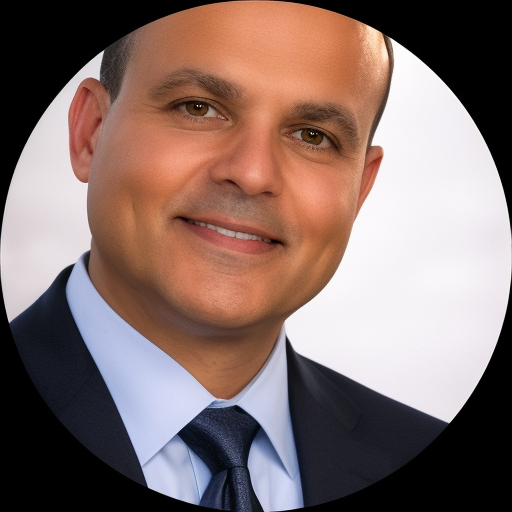
Gian Sarabia
LMFT
Attachment-minded LMFT offering practical support
- Trauma and abuse
- Intimacy-related issues
- Bipolar
Attachment-based therapy directory
347 therapists based in California name attachment-based therapy among the ways they work. Sessions are online; a therapist can usually only see people in the states where they hold a license, so check the license line on each profile.
Welcome to Attachment Therapists' California directory for online therapy. All therapists listed here are licensed in California - explore the profiles to find practitioners who list attachment-informed approaches and relevant specialties.
Use the listings to compare approaches, credentials, languages spoken, and areas of focus so you can find a clinician who fits your needs.
LMFT
Attachment-minded LMFT offering practical support
LMFT
Calm, practical therapy grounded in attachment
LPCC, LPC
Calm, practical therapy for real-life challenges
LCSW
Practical, strengths-based therapy for everyday challenges
LMFT
Experienced relational therapist focused on connection
MD, LCPC, LPCC
Attachment-informed clinician focused on relational change
CA Psychologist
Experienced California psychologist focused on healing
LMFT
Healing relationships through attachment-informed care
LMFT
Skilled LMFT blending attachment and coaching
LCSW
Calm, practical therapy for life’s hard moments
LMFT
Attachment-informed therapist for relationship and life change
LCSW, CSW
Compassionate therapist focused on relationships and coping
LMFT
Compassionate, practical therapy for life transitions
LMFT
Calm, practical therapy focused on relationships
LMFT
Compassionate therapist using attachment-focused care
LCSW
Compassionate therapist for attachment and anxiety issues
LCSW
Practical, caring support for everyday emotional struggles
LMFT
Attachment-focused therapist blending practical therapies
LMFT
Compassionate, practical support for attachment and anxiety
LMFT
Calm guidance for relationship and life stress
LMFT, LCSW
Compassionate clinician focused on attachment and healing
LCSW
Experienced LCSW focused on relationships and recovery
LMFT
Compassionate therapist helping people rebuild and cope
LMFT
Calm, practical therapy for relationships and stress
LMFT
Experienced LMFT focusing on attachment and coping
LMFT
Attachment-informed care for relationship and life stressors
LCSW
Compassionate, practical support for emotional life
LMFT
Attachment-focused therapist for connection and coping
LMFT
Attachment-informed, steady therapeutic companion
LCSW
Compassionate LCSW focused on relationships and stress
LMFT
Therapist focused on attachment and relationships
LMFT
Calm, attachment-informed therapy for life transitions
LCSW
Experienced California LCSW focused on relationships
LCSW
Calm, experienced help for life’s hard moments
LMFT
Guided therapy for stress and attachment concerns
LMFT
Experienced therapist for relationship and life issues
LMFT
Therapist focused on attachment and practical change
CA Psychologist
Warm listener who blends attachment insight
LMFT
Calm, practical help for attachment and relationships
LPCC, LMHC
Compassionate, attachment-informed clinical counselor
Some links on this page are partner links. We will earn a commission if you sign up through one, at no cost to you. It does not change what you pay or the order of the listings.
Online therapy has become a common way to access mental health care across California, from dense urban centers to remote mountain towns and desert communities. Many licensed clinicians offer video and phone sessions so you can attend appointments from your home, workplace, or another convenient location. Some therapists also use messaging or asynchronous tools to support ongoing communication between sessions. Because regulations determine where a clinician may practice, the therapists you find in this directory are licensed in California and list online therapy among their offerings.
When you explore therapist profiles you will typically see descriptions of clinical approaches, specialties, languages spoken, and professional credentials. Keep in mind that an approach listed on a profile indicates that the clinician uses that method in practice - it is not a standalone proof of specific certification. Profiles are a starting point to help you narrow choices by style and focus before you reach out and ask more detailed questions directly to a clinician.
Online therapy can make it easier for you to fit care into a busy life. Without a commute you can save time and reduce the logistical stress of traveling through heavy traffic or across long distances. If you live in a town with limited local options for mental health care, working with a therapist who provides sessions online expands your choices so you can find clinicians who specialize in attachment-related work, trauma, relationship issues, or other areas.
For many people, meeting with a therapist from their own home or another comfortable environment helps them feel more at ease and better able to focus. You can also maintain continuity of care if you move within California or travel for work, provided the clinician’s practice scope covers your location. Online therapy can be convenient for parents, shift workers, and people with mobility limitations because sessions can be scheduled without arranging childcare or long commutes.
Online therapists in California work with a wide range of concerns that include mood and anxiety conditions, attachment and relationship struggles, trauma recovery, grief and loss, parenting and family dynamics, and life transitions such as career change or relocation. Many clinicians describe specialties such as perinatal mental health, LGBTQ+ support, multicultural or immigrant-related stress, chronic health conditions, and work-related burnout. You will also find therapists who list particular approaches like cognitive behavioral therapy, psychodynamic therapy, emotion-focused therapy, somatic approaches, or therapists who list EMDR among their approaches.
Attachment-related concerns are a common focus on this site. Therapists often describe how they work with patterns of relating, intimacy difficulties, and the ways early attachment experiences shape adult relationships. If you are seeking help with specific symptoms - for example persistent worry, low mood, panic, or repeated relationship ruptures - you can look for profiles that mention those areas along with the therapeutic styles that feel most aligned with your preferences.
Verifying a clinician’s license is an important step in choosing a provider. In California different boards regulate different types of licensees. Marriage and family therapists, clinical social workers, and professional clinical counselors are overseen by the California Board of Behavioral Sciences, while psychologists are overseen by the California Board of Psychology. Each board maintains an online license lookup where you can search by name or license number to confirm that a license is active and to view any public enforcement actions or disciplinary information.
When you check a listing, look for the clinician’s legal name and license number on their profile. Enter that information into the appropriate state license lookup to confirm current status. The board records will also show license expiration dates and sometimes professional history that can help you better understand a clinician’s standing. If you have questions about what you find, each board has contact options for consumers who want more information. Verifying a license provides reassurance about regulatory standing and helps you feel informed before you reach out.
Getting started usually begins with clarifying what you want from therapy. Think about the goals you hope to address in the near term and longer term. Some people seek symptom relief, others want to improve relationships, and some want a deeper process of personal growth. Use those goals to guide the kinds of specialties and approaches that matter most to you. If attachment work matters, prioritize profiles that explicitly describe attachment-focused work or relational approaches.
Practical considerations also matter. Decide whether you prefer video or phone sessions, whether you need sessions outside standard business hours, and whether you require language options or cultural experience. Insurance and fees are another key factor. Many therapists list accepted insurance plans or mention sliding scale options on their profiles. If cost is a concern, look for clinicians who note fee flexibility or contact them to ask about payment arrangements. Be mindful that billing practices vary across clinicians and systems, so review how claims are handled if you plan to use insurance.
Before your first session prepare a short list of questions to help you evaluate fit. You might ask about the therapist’s experience with your presenting concerns, how they describe their approach in practice, what a typical session involves, how they handle safety planning and emergency situations, and how they protect your privacy when using online tools. Notice how the clinician responds - clear, respectful answers often indicate an approach that values collaboration. It is reasonable to try a few different clinicians until you find someone whose style and communication feel right for you.
On the technology side, ensure you have a device with a camera and microphone if you plan to use video, and test your internet connection beforehand. Find a quiet, undisturbed place where you can speak freely and maintain your privacy during sessions. Ask the clinician what platform they use and whether you need to download an app. Many therapists will outline intake paperwork, informed consent, and session policies in advance so you can review them before your first appointment.
Choosing a therapist is a personal process. Pay attention to whether the clinician’s descriptions and tone match what you are seeking. Look beyond single labels and read several profiles to compare how clinicians describe their work with attachment issues or other concerns. You have the right to ask questions and change course if a clinician’s approach does not feel like a good fit for you. Taking time to match your goals, logistical needs, and interpersonal comfort with a clinician’s style will increase the chances that therapy feels worthwhile.
By using this directory to explore licensed California therapists who offer online sessions, you can find a clinician who lists the approaches, specialties, and language skills that correspond to your needs. Use license verification tools, prepare practical questions, and trust your experience as you begin. When you find a good match, online therapy can be an effective way to pursue change and support in a way that fits your life.