Attachment-based therapy directory
Therapists in Illinois
106 therapists based in Illinois name attachment-based therapy among the ways they work. Sessions are online; a therapist can usually only see people in the states where they hold a license, so check the license line on each profile.
Welcome to Attachment Therapists' directory for online therapists in Illinois. All therapists listed here are licensed in Illinois and include clinicians who list attachment-focused approaches among their specialties. Explore the profiles below to learn about credentials, approaches and areas of focus as you search for a good match.


Ana Sikula
LCSW
Practical, compassionate therapy for life transitions
- Stress, Anxiety
- Relationship
- Family

Maria "Patti" Lorenzo
LCPC
Compassionate therapist for clearer self-talk
- Trauma and abuse
- Self esteem
- Coping with life changes

Dr. James English
IL Psychologist
Experienced psychologist focusing on attachment and relationships
- Relationship
- Grief
- Depression

Abani Dhewajoo
LCSW
Practical, respectful therapy for life challenges
- Stress, Anxiety
- Trauma and abuse
- Anger

Camille Jones
LCPC
Attachment-informed counselor with practical tools
- Stress, Anxiety
- Trauma and abuse
- Self esteem

Cathy Drucker
LCSW
Compassionate therapist focused on attachment and coping
- Stress, Anxiety
- Relationship
- Anger

Malisha Webber
LCPC
Compassionate guidance for attachment and life changes
- Stress, Anxiety
- Relationship
- Trauma and abuse

Dr. Wende Pannell
LCPC
Compassionate care for lasting emotional change
- Stress, Anxiety
- Relationship
- Trauma and abuse

Carla Morris
LCPC
Calm, experienced counselor focusing on attachment
- Stress, Anxiety
- Trauma and abuse
- Depression

Traci White
LCPC
Compassionate counselor focused on attachment and practical skills
- Stress, Anxiety
- Trauma and abuse
- Self esteem

Vadim Sitnyakovskiy
LCPC
Compassionate, practical counseling focused on relationships
- Stress, Anxiety
- Self esteem
- Depression

April Lacey
LCPC
Compassionate, practical therapy for attachment and mood
- Relationship
- Trauma and abuse
- Anger
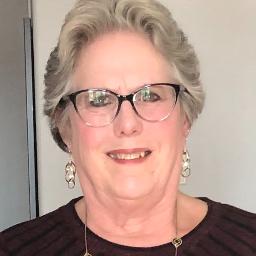
Marilyn Traynor
LCSW
Experienced LCSW focused on attachment and life changes
- Stress, Anxiety
- Grief
- Self esteem

George Brassea
LCPC
Attachment-informed counselor blending clinical and practical insight
- Stress, Anxiety
- LGBT
- Grief

Aleksander Casas
LCPC
Compassionate, practical therapy for life transitions
- Stress, Anxiety
- Addictions
- LGBT

Thomas Buckner
LCPC
Healing relationships and managing strong emotions
- Trauma and abuse
- Anger
- Self esteem

Deborah Taylor
LCSW
Warm clinician helping relationships and coping challenges
- Stress, Anxiety
- Relationship
- Trauma and abuse

Trina Hill
LCSW
Calm, practical support for emotional healing
- Stress, Anxiety
- Addictions
- Trauma and abuse

Dr. Akamin Nkengaka
LCSW
Calm, practical therapy for daily struggles
- Stress, Anxiety
- Addictions
- Trauma and abuse



Benita Whitfield
LCSW, LICSW
Understanding relationships and personal resilience
- Stress, Anxiety
- Relationship
- Parenting

Heather Breems
LCSW
Calm, practical support for life and relationships
- Stress, Anxiety
- Relationship
- Parenting

Samuel Higgerson
LCSW
Straightforward support for life’s hard moments
- Stress, Anxiety
- Trauma and abuse
- Parenting

Tilaya Bradford-Hollins
LCSW
Compassionate guidance for life transitions
- Stress, Anxiety
- Relationship
- Trauma and abuse

Elizabeth Smith
LCSW
Attachment-informed therapy for stress and trauma
- Stress, Anxiety
- Trauma and abuse
- Parenting
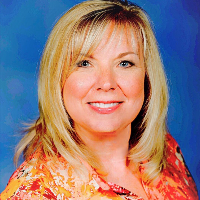
Dr. Phyllis Mogielski-Watson
LPC, LPCC
Compassionate, practical therapy for major life stresses
- Stress, Anxiety
- Relationship
- Grief


Dr. Ashley Mitich
LCPC
Attachment-informed counselor focused on relationships
- Stress, Anxiety
- Relationship
- Self esteem

Kathleen Griffin
LCPC
Practical support for relationship and life changes
- Relationship
- Self esteem
- Career

Dr. Penny Brower
LCPC
Calm, practical therapy rooted in attachment
- Stress, Anxiety
- Relationship
- Self esteem

Cathalene Silver
LCPC, LMFT
Seasoned therapist focusing on attachment and practical skills
- Stress, Anxiety
- LGBT
- Relationship

Yvette Medina
LCPC
Warm bicultural counselor focused on practical growth
- Stress, Anxiety
- Addictions
- Trauma and abuse
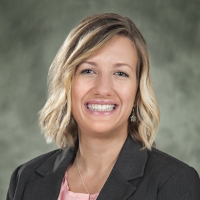
Helen Woodrum
LCSW
Therapist focused on attachment and practical skills
- Stress, Anxiety
- Trauma and abuse
- Depression
Angela Veach
LCPC
Experienced counselor focused on attachment and life changes
- Stress, Anxiety
- Relationship
- Self esteem
Loni Nolte
LCSW
Attachment-focused LCSW helping parents and adults
- Stress, Anxiety
- Family
- Trauma and abuse

Gary Reeves
LCPC
Compassionate LCPC focused on relationships and coping
- Stress, Anxiety
- LGBT
- Relationship

Kenneth Markovic
LCSW
Attachment-informed LCSW focusing on practical change
- Stress, Anxiety
- Addictions
- Grief

Patricia Marchman
LCSW
Practical, relationship-focused therapy for life challenges
- Stress, Anxiety
- Addictions
- Self esteem

Celeste Trevino
LCPC
Practical, attachment-informed therapy for adults
- Stress, Anxiety
- Relationship
- Trauma and abuse

Jenelle Hoyt
LCPC
Therapist who blends attachment insight and skills
- Stress, Anxiety
- Relationship
- Self esteem

Heather Stample
LCSW
Helping people rebuild steady emotional footing
- Stress, Anxiety
- Relationship
- Family

Meera Vasquez
LCSW
Compassionate LCSW helping people find calmer footing
- Stress, Anxiety
- Trauma and abuse
- Grief

Izabela Weber
LPC, LCPC
Practical therapy focused on measurable progress
- Stress, Anxiety
- Relationship
- Trauma and abuse

Joshua Williams
LCSW
Grounded, attachment-informed clinical social worker
- Stress, Anxiety
- Grief
- Depression

Gloria Sanchez
LCSW
Compassionate LCSW helping people find steady ground
- Stress, Anxiety
- Trauma and abuse
- Anger
Some links on this page are partner links. We will earn a commission if you sign up through one, at no cost to you. It does not change what you pay or the order of the listings.
Overview of online therapy availability in Illinois
If you live in Illinois and are considering online therapy, you are part of a landscape where remote mental health care has become a commonly offered option. Licensed clinicians in Illinois may provide services to residents of the state through video, phone or messaging formats, following state practice rules. Recent years have seen many providers add remote options to make it easier for people to access care across long distances, from rural counties to urban neighborhoods. Regulations, professional standards and administrative rules guide how clinicians offer remote services, so those who are licensed in Illinois must follow the state requirements that apply to their profession.
Online therapy does not replace in-person care in every situation, but it has expanded the ways you can connect with a clinician who focuses on attachment-related concerns, relationship dynamics or developmental issues. When you look at provider profiles, you will often see a mix of credentials and stated specialties. Those profiles are a starting point to help you understand the kinds of approaches a therapist lists among their methods, rather than a guarantee of specific training or outcomes.
Benefits of online therapy for Illinois residents
Choosing online therapy can remove practical barriers that might otherwise get in the way of consistent care. You can save travel time, work around family responsibilities and attend sessions from a comfortable environment in your home or another location that works for you. For people living in parts of Illinois with fewer local clinicians who focus on attachment or relational work, online options widen the pool of professionals who might match your needs.
Online therapy also makes it easier to maintain continuity during life transitions such as moving within the state, temporarily traveling or managing a busy schedule. You might find clinicians who offer evening or daytime sessions in different time zones, which can help you fit therapy into your routine without sacrificing other commitments. Additionally, some therapists list language skills or cultural competencies on their profiles, letting you search for someone who understands your background or identity.
What issues online therapists in Illinois commonly help with
Online therapists in Illinois work with a wide range of concerns that relate to attachment, relationships and individual functioning. You can expect clinicians to address anxiety and mood challenges, patterns in romantic relationships, parenting and family dynamics, grief and major life transitions. Attachment-focused work often looks at how early relationships shape current ways of connecting, setting boundaries and responding to stress. Many therapists who list attachment-based approaches integrate that perspective with other methods when supporting clients.
Some profiles will note that a therapist lists cognitive behavioral approaches among their methods, while others may list emotion-focused therapy, psychodynamic work or experiential techniques. You may also see clinicians who list EMDR among their approaches or who list systems-oriented methods for working with couples and families. Those listings indicate areas the therapist mentions as part of their practice description; they do not represent certification or formal evaluation on this page. When you read a profile, focus on whether the therapist's described focus areas align with the concerns you want to address, whether that is healing from relational wounds, managing stress related to caregiving, or navigating transitions after a separation.
How to verify a therapist's license in Illinois
When you find a therapist you want to learn more about, it is sensible to verify that they hold an active license in Illinois. State licensing information can usually be checked through Illinois regulatory portals that list professional credentials. You can look for the clinician's license number and the type of license they hold - for example, licensed professional counselor, licensed clinical social worker, licensed marriage and family therapist or psychologist - and confirm that the license is active and in good standing.
Licensing searches often show the license issue and expiration dates, the license status and whether there are any publicly posted disciplinary actions. If a profile does not display a license number, you can ask the clinician directly for their license type and number and then use that information to check the relevant state database. Verifying a license gives you clear information about the clinician's legal authorization to practice in Illinois and helps you understand the professional category under which they operate.
How to get started with an online therapist
Begin by identifying a few profiles that describe approaches and focus areas that resonate with your needs. Read biographies to learn about a therapist's stated specialties, the populations they describe working with and the ways they describe collaborating with clients. If you have questions about how they work with attachment-related issues, you can reach out and ask about their general approach - many clinicians are willing to describe how they conceptualize relationship patterns and what a typical session might involve.
Prepare for an initial conversation by reflecting on your goals for therapy, any practical constraints you have around scheduling and whether you prefer a particular communication format such as video or phone. You do not need to have everything figured out before reaching out; a short intake conversation or an initial session is a chance to assess fit. Consider asking about the clinician's experience with the kinds of concerns you bring up, whether they list relevant approaches among their methods, and how they typically structure work with new clients.
Tips for choosing the right therapist
Choosing a therapist is both a practical and personal decision. Start by thinking about the qualities that matter most to you - for example, a clinician who mentions attachment-focused work, someone who has experience with couples or family systems, or a therapist who lists trauma-informed approaches among their methods. Pay attention to whether the therapist's description of their work style feels respectful of your perspective and whether they use language that you find understandable and relatable.
Trust your sense of rapport after an initial conversation or session. It is normal for an initial meeting to feel a bit formal as you share background information, but you should come away with a sense that the clinician hears your concerns and outlines a way of working that feels clear and realistic. If you have specific preferences about session structure - for example, shorter check-ins versus longer exploratory sessions - ask about those preferences early on so you have a sense of how a clinician might accommodate them. Finally, remember that a good match is about both expertise and how you experience the therapeutic relationship. Take the time you need to find a clinician whose approach and manner align with your goals and comfort level.
Online therapy in Illinois offers a flexible way to pursue attachment-focused work and related areas of concern. By reviewing profiles, verifying licensure and prioritizing fit, you can take practical steps toward engaging with a therapist whose stated approaches and experience align with what you want to address. Use the directory listings as a starting point to learn more, ask thoughtful questions and begin a process that feels intentional and relevant to you.