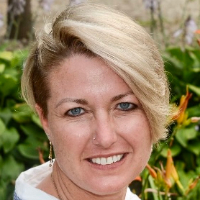
Loni Nolte, LCSW
Therapist in Illinois
Loni Nolte is a Licensed Clinical Social Worker (LCSW) who centers work around attachment-based ideas.
- Licensed inIllinois
- License149.015036
- NPI 1740769298
- Experience14+ years
- LanguagesEnglish
Details are as listed on the therapist's public professional profile. You can check any license with the state board and any NPI with the national registry.
About Loni
Loni Nolte is a Licensed Clinical Social Worker (LCSW) who centers work around attachment-based ideas. She draws on ways people connect and relate to others to guide practical, day-to-day changes. Her style is direct and straightforward, aimed at helping parents and adults find tools that actually fit their life.
She has 14 years of experience working with a wide range of concerns, including stress, anxiety, depression, trauma, addiction, grief, and parenting challenges.
Background and approach
Loni also addresses attachment issues, abandonment, adoption and foster care concerns, and caregiver stress. She uses plain language in sessions so people know what to expect. Her approach blends attachment-based thinking with acceptance and commitment therapy, cognitive behavioral techniques, emotionally-focused methods, and a client-centered attitude.
That mix lets her help with mood, relationships, sleep, anger, and life transitions. Sessions focus on small, doable steps rather than abstract ideas. Loni pays attention to practical problems like communication, commitment doubts, career stress, body image worries, and coping after illness or disaster.
She looks for creative ways to practice new habits between sessions. The goal is clearer thinking and more reliable coping when things get hard. She works with adults and parents who want honest, collaborative help to manage feelings and improve relationships.
Conversations are guided by the client’s goals and paced to match what feels possible in everyday life.
Credentials
- LCSW (Illinois)
- License 149.015036 · expires November 2027
- NPI
- 1740769298 · national provider identifier
Both are public records. A state board register will confirm a license and its standing, and the national registry will confirm an NPI. This directory copies what the therapist lists and checks neither.
Focus areas and approaches
Everything Loni lists on their public professional profile, in their own terms.
- Stress, Anxiety
- Family conflicts
- Trauma and abuse
- Parenting issues
- Depression
- Addictions
- LGBT
- Relationship issues
- Grief
- Sleeping disorders
- Anger management
- Self esteem
- Career difficulties
- Bipolar disorder
- Coping with life changes
- Compassion fatigue
- Abandonment
- Adoption and foster care
- Aging and geriatric issues
- Attachment issues
- Blended family issues
- Body image
- Cancer
- Caregiver issues and stress
- Commitment issues
- Communication problems
- Control issues
- Coping with natural or human-caused disaster
Approaches Loni names
- Attachment-Based Therapy
- Acceptance and Commitment Therapy (ACT)
- Client-Centered Therapy
- Cognitive Behavioral Therapy (CBT)
- Emotionally-Focused Therapy (EFT)
- Mindfulness Therapy
- Motivational Interviewing
- Psychodynamic Therapy
- Solution-Focused Therapy
- Trauma-Focused Therapy
Naming an approach is not evidence of training in it. This directory copies what each therapist lists and does not check training records.
Online support
Attachment and evidence-informed approaches online
Attachment-based work looks at how early and current relationships shape feelings and behavior. In sessions this means noticing patterns in how someone connects, responds to stress, and seeks support, then practicing new ways of relating that feel safer and more effective.Acceptance and Commitment Therapy (ACT) helps people notice painful thoughts and feelings without getting stuck in them. It teaches values-driven action and small steps that add up to meaningful change. Cognitive Behavioral Therapy (CBT) focuses on identifying unhelpful thoughts and testing new behaviors to reduce anxiety, depression, and sleep or anger problems.
Finding the right approach is part of the work. The therapist will collaborate with each person to choose methods that match their goals, needs, and preferences. That collaborative process can include trying techniques from different approaches and adjusting based on what helps most.
Online sessions are offered by video calls, phone sessions, live chat, or text-based messaging to fit busy lives. Video is useful when visual connection helps the work, phone can be easier when bandwidth is limited, live chat or text messaging can serve short check-ins or ongoing coaching. These options make scheduling more flexible and let therapy fit into work, parenting, or caregiving routines.
We will earn a commission if you sign up through our link, at no cost to you. It does not change what you pay or the order of the listings.
Frequently asked
What kinds of problems does she help with?
She helps with stress, anxiety, depression, trauma and abuse, parenting challenges, addiction concerns, grief, sleep issues, anger, self esteem, career stress, bipolar concerns, and coping with life changes.
How would you describe her therapy style?
Her style is direct and practical. She uses attachment-based ideas plus ACT, CBT, EFT, and client-centered techniques to create straightforward, doable steps.
What is her clinical experience?
She brings 14 years of experience working with a broad range of concerns and life stages, helping people develop tools and resilience for everyday challenges.
Where is she licensed and practice location?
She holds a Licensed Clinical Social Worker credential (LCSW) in Illinois and practices with that credential in that state.
Which languages are sessions offered in?
Sessions are offered in English.
What session formats are available?
She offers video calls, phone sessions, live chat, and text-based messaging to suit different needs and schedules.
How are fees handled?
Cost varies with location and therapist availability; sessions use a subscription that can be canceled at any time.
How do I begin working with her?
Start by selecting the Start Therapy button, complete a short matching questionnaire, and schedule sessions according to therapist availability.
More therapists in Illinois
See all

Ana Sikula
LCSW
Practical, compassionate therapy for life transitions
- Stress, Anxiety
- Relationship
- Family

Maria "Patti" Lorenzo
LCPC
Compassionate therapist for clearer self-talk
- Trauma and abuse
- Self esteem
- Coping with life changes
Is this your profile?
Ask us to correct details or take the page down.
Contact us