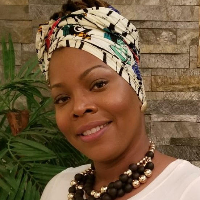
Dr. Farah Ibrahim
CO Psychologist
Compassionate psychologist focusing on attachment and coping
- Stress, Anxiety
- Relationship
- Family
Attachment-based therapy directory
1,443 therapists list commitment issues among the things they work with. All offer sessions online, and every profile shows the registering body, the membership number and when it runs to.
This directory page highlights therapists who work with commitment issues and relationship hesitation. Browse the listings below to review specialties, approaches, credentials, languages, and experience to help guide your search.
CO Psychologist
Compassionate psychologist focusing on attachment and coping
LPCC, LPC
Compassionate therapist focused on relationships and growth
LIMFT, LPCC
Practical, relational therapy for everyday struggles
LMHC
Practical support for stress and attachment
LCSW
Attachment-informed care for life's hard moments
LMHC
Compassionate counselor focused on attachment and coping
LMFT
Compassionate LMFT focusing on attachment and healing
LPC
Compassionate counseling for stronger relationships
LPC
Calm, practical help for attachment and life stressors
LCSW
Practical, warm therapy for attachment and stress
LCSW
Practical, relational therapy for life transitions
LPC
Healing attachment and building coping skills
LPC, LPCC
Practical therapy for stress and relational healing
LMHC
Calm, practical support for lasting change
LCMHC
Support for stress, loss, and relationship strain
LMHC
Practical, steady support for life’s hard moments
LPC
Calm practical counseling focused on relationships
LCSW
Attachment-focused therapist helping with anxiety and trauma
LPC
Grounded, practical counseling for overwhelmed adults
LISW, LCSW, CSW
Compassionate clinical social worker focusing on attachment
LCSW
Supportive social worker focused on relationships and coping
LICSW, LCSW, CSW
Supportive therapy for life transitions and attachment
NY Psychoanalyst
Experienced psychoanalyst focusing on attachment and coping
LCSW
Calm, practical support for emotional and relationship strain
LISW
Compassionate attachment-focused social worker
LCSW
Experienced LCSW focusing on attachment and life changes
LMHC
Compassionate LMHC focusing on attachment and connection
LCSW
Attachment-informed LCSW offering steady support
LPC
Compassionate counselor focused on attachment and recovery
LMHC
Compassionate counselor blending attachment and practical skills
LPC
Experienced counselor focused on connection and coping
LCSW
Experienced Oregon LCSW focused on attachment and coping
LCSW
Practical, strengths-based therapy for adults
MD, LCSW-C, LCSW
Experienced clinician combining medical and social work perspectives
LMFT, LCMFT
Relationship healing and boundary building
LICSW
Compassionate clinician guiding practical change
MI Psychologist
Compassionate psychologist focused on relationships and resilience
LCSW
Compassionate therapist focused on attachment and coping
LPC
Helping people reframe relationships and reactions
LPC
Attachment-focused counselor in New Jersey
LCSW
Seasoned LCSW helping with life transitions
LPC
Warm LPC blending attachment and skills-based care
Some links on this page are partner links. We will earn a commission if you sign up through one, at no cost to you. It does not change what you pay or the order of the listings.
Commitment issues can show up in many forms - avoiding long-term relationships, withdrawing when things become serious, or feeling intense anxiety about future plans. You may find it hard to say yes to milestones like moving in together, engagement, or even defining a relationship. For some people the pattern is a fear of being trapped; for others it is difficulty trusting that closeness will last. These patterns influence how you connect, how you handle conflict, and how much emotional risk you are willing to take with a partner.
Commitment-related patterns are often woven with your personal history and early attachment experiences. You might notice echoes of past relationships, family dynamics, or early caregiving that shape your expectations and emotional responses. While those origins matter, the ways commitment issues show up in daily life are what often prompt people to seek support. You may find that fear of commitment affects your friendships, dating behavior, career decisions, or sense of identity. Therapy can be a place to slow down those patterns and practice different ways of being with others.
If you are wondering whether therapy could help, pay attention to recurring patterns rather than single events. You might repeatedly end relationships when they get closer, feel paralyzed by relationship choices, or chronically doubt long-term plans with a partner. Some people notice a cycle of pushing a partner away after moments of intimacy, or they swing between intense closeness and abrupt distance. Others experience chronic indecision about commitment milestones despite wanting a deeper connection.
Emotional signs can include persistent anxiety about losing independence, a tendency to minimize problems until they escalate, or a habit of testing partners to see if they will leave. Behaviorally, you may avoid conversations about the future, have a pattern of short-term relationships, or prioritize work and hobbies to the exclusion of romantic investment. If these patterns cause you distress, reduce your sense of fulfillment, or keep you from forming the relationships you want, targeted therapy can help you understand the roots of the pattern and practice alternative responses.
At the start of therapy, you can expect conversations that clarify what commitment means to you and what changes you hope to make. A therapist will typically ask about your relationship history, your current concerns, and how these patterns affect your life. Together you and the therapist can set practical goals - for example, increasing comfort with emotional closeness, reducing avoidance behaviors, or improving communication about future plans. Therapy is collaborative and paced to your readiness for change.
Work in therapy often balances understanding the origins of commitment issues with practicing new ways of relating. You may explore how fears and beliefs developed, notice triggers that activate avoidance, and learn skills to tolerate vulnerability. Therapy sessions provide an opportunity to try different emotional responses in a supportive context and to receive feedback on interactions you find difficult. Over time, the focus may shift from immediate coping strategies to deeper shifts in how you view intimacy and trust.
Therapists may draw from multiple approaches when working with commitment concerns. Cognitive-behavioral methods are often used to identify and change unhelpful thoughts and avoidance behaviors that interfere with commitment. Attachment-focused work looks at your early relationships and current attachment style to understand how you form bonds and respond to closeness. Emotion-focused methods aim to increase your ability to identify and regulate emotions that arise around commitment, such as fear, shame, or anger.
Couples-oriented therapies can be helpful when commitment issues are affecting a current partnership; these approaches emphasize communication patterns, mutual understanding, and negotiated steps toward shared goals. Some therapists list mindfulness or acceptance-based approaches among their methods to help you manage relationship anxiety without acting on it impulsively. Others may include experiential or somatic techniques to help you connect with bodily reactions that signal avoidance. When reviewing therapist profiles, notice whether they describe working with relationship patterns, attachment, or emotion regulation, since these emphases often align with commitment-focused work.
Online therapy offers flexibility in how you meet with a therapist and can make it easier to maintain consistency in sessions. You can connect from a quiet room in your home or another setting where you feel comfortable, and many therapists offer video or audio sessions that closely mirror in-person exchanges. The dynamics of commitment work - exploring history, practicing conversations, and building new emotional habits - translate well to remote formats, and some people find it easier to be open when meeting from a familiar environment.
If you choose online therapy, you should consider the practical elements that support a productive process. Plan for a place where you can speak without interruption and use a reliable internet connection. Discuss with a prospective therapist how they structure sessions, how they handle between-session communication, and what kinds of exercises or homework they typically use. Online work can include role-plays, reflective assignments, and guided practices that you do between sessions to reinforce progress. Remember that the therapeutic relationship itself - feeling understood and challenged in a constructive way - is a major factor in productive work on commitment issues, and that can be developed in virtual spaces as well as in person.
Choosing a therapist is a personal process that benefits from attention to fit and approach. Start by focusing on therapists who indicate experience with relationship patterns, attachment concerns, or commitment-related work in their profiles. Look for descriptions that resonate with how you experience your struggles - whether that is anxiety about closeness, a pattern of avoidant behavior, or recurring conflict over future plans. Consider the therapeutic approaches mentioned and whether you prefer skills-based work, insight-oriented exploration, or a combination of both.
Language and cultural background can matter when you are exploring intimate themes, so notice whether therapists list languages they speak or mention experience with identities and relationship styles similar to your own. Also consider practical factors like session length, fees, and the therapist's stated areas of focus - these help you narrow the field to clinicians whose methods and communication style match your expectations. Once you identify a few profiles that feel like a potential fit, use initial consultations or profile notes to sense whether you feel heard and understood. The right match is one where you feel challenged in useful ways and able to make experiments with new behaviors between sessions.
Working on commitment issues is often a gradual process that involves both insight and practice. With a therapist who understands relationship patterns and offers approaches that fit your needs, you can learn to tolerate vulnerability, make clearer choices, and build relationships that reflect your values and goals. Take your time in choosing someone who feels like a collaborator in that work, and remember that steady, reflective steps often lead to the changes you hope to see.