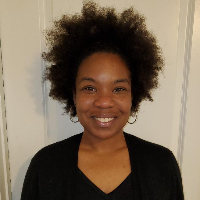
Dr. Farah Ibrahim
CO Psychologist
Compassionate psychologist focusing on attachment and coping
- Stress, Anxiety
- Relationship
- Family
Attachment-based therapy directory
825 therapists list men's issues among the things they work with. All offer sessions online, and every profile shows the registering body, the membership number and when it runs to.
On this page you will find therapists who list men's issues among their specialties, covering concerns like relationships, identity, stress, and fatherhood. Browse the listings below to compare approaches, credentials, languages, and focus areas to help narrow your search.
CO Psychologist
Compassionate psychologist focusing on attachment and coping
LPCC, LPC
Compassionate therapist focused on relationships and growth
LIMFT, LPCC
Practical, relational therapy for everyday struggles
LMHC
Practical support for stress and attachment
LPC, LPCC
Gentle, practical help for deep emotional work
LMHC
Skilled guide for stress, relationships, and healing
LCSW
Calm, relationship-focused therapy for everyday life
LPC, LPCC
Practical therapy for stress and relational healing
LMHC
Calm, practical support for lasting change
LCMHC
Support for stress, loss, and relationship strain
LPC
Grounded, practical counseling for overwhelmed adults
LCPC
Compassionate therapist for clearer self-talk
NY Psychoanalyst
Experienced psychoanalyst focusing on attachment and coping
LCSW
Experienced LCSW focusing on attachment and life changes
LMHC
Compassionate LMHC focusing on attachment and connection
LCSW
Attachment-informed LCSW offering steady support
LPC
Compassionate counselor focused on attachment and recovery
LPC
Practical, empathetic support for stressful times
LPCC
Helping people rebuild stable relationships and coping skills
LCSW
Compassionate therapist focused on attachment and coping
LPC
Attachment-focused counselor with practical tools
LCSW
Seasoned LCSW helping with life transitions
LCSW
Compassionate therapist focused on attachment and coping
LMFT
Attachment-minded LMFT offering practical support
LPC-MHSP
Therapist focused on real-life change
LPC
Compassionate counselor focusing on relationships
LCMHC
Compassionate counselor focused on attachment and recovery
LPC
Compassionate counselor helping steady emotions and relationships
LPC
Compassionate counselor focused on practical healing
LMHC
Experienced counselor focused on attachment and practical skills
LCSW
Practical, attachment-informed therapy for life challenges
LPC
Compassionate care for attachment and life challenges
LCMHC
Practical support for relationship and life struggles
LPC
Compassionate therapist helping people build stable connections
LCSW
Therapist focused on attachment and coping
LMHC
Attachment-focused counselor blending practical therapies
LCSW
Compassionate LCSW focused on attachment and healing
LPC
Compassionate counselor combining practical skills and attachment work
LCPC, LPC
Calm, practical therapy focused on attachment
LMHC
Compassionate, practical support for overwhelmed adults
LCSW
Warm, practical support for attachment and recovery issues
LCSW
Practical, person-centered therapy for real-life struggles
LCSW
Compassionate, practical help for relationship pain
Some links on this page are partner links. We will earn a commission if you sign up through one, at no cost to you. It does not change what you pay or the order of the listings.
Men's issues refers to a range of emotional, relational, and life-phase concerns that many people who identify as men face. These can include difficulty with expressing emotion, stress related to work or provider roles, struggles with intimacy or sexual functioning, changes in identity during life transitions, anger management, and challenges related to fatherhood. Cultural expectations about masculinity can shape how these problems show up - you may find yourself minimizing emotional pain, avoiding help-seeking, or feeling pressure to adhere to a role that no longer fits. Those pressures do not mean your experience is any less valid; rather, they help explain common patterns in how issues develop and persist.
The effects of these issues can appear across many parts of life. You might notice tension in romantic relationships, repeated conflict with family or coworkers, difficulty regulating mood or impulses, or persistent anxiety that interferes with daily functioning. Some people experience substance use as a way to cope, while others withdraw or become driven by perfectionism. Therapy for men's issues aims to give you a place to examine these patterns, articulate goals, and learn strategies that align with the kind of life and relationships you want to build.
You may find therapy helpful if you notice ongoing patterns that limit your well-being. These can include repeated relationship breakups or chronic conflict, persistent feelings of anger or irritability that feel out of proportion, or a sense of numbness and disconnection from people who matter to you. Sleep disturbances, changes in appetite, or difficulty concentrating can also accompany emotional strain, though they do not prove a particular diagnosis. If you are leaning on substances more than you used to, avoiding activities that used to bring enjoyment, or finding it hard to take action on goals because of fear or doubt, talking with a therapist can create room to understand and shift those patterns.
Another common sign is when you are facing a life transition and feel unsure how to adapt. Becoming a parent, ending a long-term relationship, shifting careers, or coping with aging can bring identity questions that are experienced differently because of societal expectations about men. You might also seek help to address trauma, sexual concerns, or grief. Therapy can help you explore how gendered messages have shaped your responses and offer tools to act in ways that feel authentic and effective for you.
When you begin therapy for men's issues, the initial sessions typically focus on building rapport and clarifying your goals. A therapist will likely ask about your background, relationships, current stresses, and what you hope to change. Sessions are a chance to decide together which problems feel most urgent and which strategies might help. Some people prefer a practical, skills-based approach that emphasizes coping techniques for anxiety, anger, or communication. Others want to explore early life experiences and patterns that shape current behavior. Many clients benefit from a combination of both.
Therapy is often paced to match your needs. You may work on short-term goals, such as developing healthier conflict habits or improving sleep, while also addressing longer-term themes like identity and attachment. Sessions usually include opportunities to practice new ways of relating, get feedback, and reflect on what works for you. Collaboration is central - you have the chance to steer topics, try different tools, and revisit goals as you learn more about what helps. If you have questions about session length, frequency, or communication outside sessions, you can look for this information on therapist profiles and discuss preferences when you reach out.
Therapists use a range of approaches when working with men's issues, and profiles often list the methods they draw from. Cognitive-behavioral methods, indicated on many profiles as CBT, focus on identifying unhelpful thought patterns and testing new behaviors in everyday life. Psychodynamic approaches explore how early relationships and internalized expectations influence present behavior. Acceptance and commitment approaches emphasize values-based action and learning to hold difficult feelings without letting them dictate behavior. Mindfulness-informed work can help you notice automatic reactions and create different choices in challenging moments.
You may also see therapists who list trauma-informed practices, emotion-focused work, or relational approaches among their methods. When trauma is part of the picture, profiles sometimes note modalities that address trauma symptoms; remember that a listed approach does not itself verify a level of training or certification. Group work is another option some therapists mention, offering peer support and a chance to practice interpersonal skills. When reviewing profiles, pay attention to how therapists describe their focus areas - some emphasize relationship patterns and attachment, others center anger management, sexual health, or parenting. Choosing an approach that resonates with you and matches your goals can make therapy feel more relevant and effective.
Online therapy for men's issues is offered in a variety of formats, including video sessions, phone calls, and asynchronous messaging. Many people find virtual work convenient when travel, work hours, or family obligations make in-person visits difficult. Video sessions generally mirror in-person conversations and allow for real-time interaction, while messaging can provide ongoing support between synchronous sessions. Before starting, think about what setting will allow you to speak openly - a quiet room at home, a parked car, or another location where you can talk without interruption can help you get more from sessions. Be mindful of measures therapists describe to protect your personal information and ask about those safeguards if you want more detail.
When choosing a therapist, focus on comparing the elements that matter most to you. Look for therapists who list men's issues or related focus areas that align with your concerns, and note which approaches they mention, such as CBT, psychodynamic work, or mindfulness. Consider credentials and licenses, language abilities, and experience with particular life stages or identities. It can be helpful to read therapist profiles for how they describe their work and clinical stance, paying attention to whether their wording feels like a fit for your values and communication style. If cultural factors, race, sexual orientation, or faith perspectives are important to you, prioritize therapists who mention relevant experience or languages.
Finally, give yourself permission to try more than one consultation if the first person you contact does not feel like the right match. Starting therapy is a personal step and finding someone whose approach and manner you trust can influence how comfortable you feel exploring difficult topics. Use the listings on this page to compare focus areas and approaches, and when you reach out, ask the questions that matter to you about how they work and what goals you can expect to address together.
Therapy can be a practical way to reframe patterns that are no longer serving you, develop new strategies for relationships and emotion regulation, and explore how identity and expectations shape your choices. Whether you prefer in-person or online work, taking a look through therapist profiles with an eye toward focus areas, approaches, and personal fit will help you find a path forward that aligns with your needs.