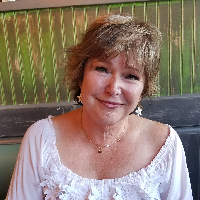
Theresa Smith, LPC
Therapist in Oklahoma
Theresa Smith is a Licensed Professional Counselor (LPC) in Oklahoma who centers her work on attachment-based ideas.
- Licensed inOklahoma
- LicenseLPC04351
- NPI 1396977724
- Experience20+ years
- LanguagesEnglish
Details are as listed on the therapist's public professional profile. You can check any license with the state board and any NPI with the national registry.
About Theresa
Theresa Smith is a Licensed Professional Counselor (LPC) in Oklahoma who centers her work on attachment-based ideas. She brings 20 years of experience helping people cope with anxiety, depression, trauma, addiction, and major life changes. Theresa aims to create a calm, respectful space where people can be heard and not judged.
Her early work focused on people affected by domestic violence and sexual abuse. That led to many years treating substance use concerns, including work in drug court and in personal substance abuse counseling.
Background and approach
Over time she added work with trauma, grief, shame, anger, and attachment issues to her practice. Theresa uses a client-centered stance, which means she starts by listening and following each person's needs. She blends that with practical tools from cognitive behavioral therapy and techniques that emphasize emotion and connection.
Acceptance and Commitment Therapy ideas also appear in sessions when they match a client's goals. If a client requests spiritual support, Theresa will include faith-based conversation or prayer as part of counseling. She says people want to feel respected and understood, and she aims to treat everyone with compassion without shaming them.
Sessions focus on concrete steps people can try between meetings, clearer communication skills, and repairing patterns that keep people stuck. Theresa helps people work toward steadier moods, healthier relationships, and clearer direction in life.
Credentials
- LPC (Oklahoma)
- License LPC04351 · expires June 2026
- NPI
- 1396977724 · national provider identifier
Both are public records. A state board register will confirm a license and its standing, and the national registry will confirm an NPI. This directory copies what the therapist lists and checks neither.
Focus areas and approaches
Everything Theresa lists on their public professional profile, in their own terms.
- Stress, Anxiety
- Addictions
- Trauma and abuse
- Anger management
- Depression
- Relationship issues
- Family conflicts
- Grief
- Intimacy-related issues
- Career difficulties
- Bipolar disorder
- Coping with life changes
- Abandonment
- Attachment issues
- Codependency
- Communication problems
- Control issues
- Divorce and separation
- Domestic violence
- Drug and alcohol addiction
- Emptiness
- Family of origin issues
- Family problems
- Forgiveness
- Guilt and shame
- Isolation / loneliness
- Life purpose
- Men's issues
- Midlife crisis
- Mood disorders
- Narcissism
- Panic disorder and panic attacks
- Postpartum depression
- Post-traumatic stress
- Seasonal Affective Disorder (SAD)
- Self-love
- Sexual assault and abuse
- Social anxiety and phobia
- Women's issues
- Workplace issues
Approaches Theresa names
- Attachment-Based Therapy
- Acceptance and Commitment Therapy (ACT)
- Client-Centered Therapy
- Cognitive Behavioral Therapy (CBT)
- Emotionally-Focused Therapy (EFT)
- Gottman Method
- Motivational Interviewing
- Narrative Therapy
- Solution-Focused Therapy
- Trauma-Focused Therapy
Naming an approach is not evidence of training in it. This directory copies what each therapist lists and does not check training records.
Online support
Attachment and practical therapies online
Theresa combines attachment-based ideas with cognitive behavioral and acceptance-oriented work to address emotional and relationship patterns. Attachment-based therapy focuses on how early bonds affect present relationships and helps people notice patterns of closeness and distance so they can try new ways of connecting. Cognitive Behavioral Therapy (CBT) looks at the link between thoughts, feelings, and actions and gives concrete strategies to reduce anxiety or depressive symptoms. Acceptance and Commitment Therapy (ACT) supports people in identifying values, accepting difficult emotions, and taking committed action toward meaningful goals.Choosing the best approach is a collaborative process. Theresa listens to each person's history, challenges, and goals and then recommends methods that match their needs and preferences. She adjusts the mix of attachment work, CBT, or acceptance strategies as progress is made and as priorities shift.
Online sessions are offered by video call, phone, live chat, or text-based messaging to make therapy fit into busy lives. Video allows face-to-face interaction for emotional work, phone can be helpful when bandwidth is limited, live chat supports brief check-ins, and messaging is useful for ongoing, flexible contact between sessions. These options make it easier to work on relationships, coping skills, and recovery without a long commute.
We will earn a commission if you sign up through our link, at no cost to you. It does not change what you pay or the order of the listings.
Frequently asked
What concerns does Theresa commonly address?
She works with stress, anxiety, depression, trauma and abuse, addiction, grief, relationship and intimacy-related issues, bipolar disorder, and coping with life changes.
What is her therapeutic style like?
Theresa takes a client-centered approach that emphasizes listening and respect, while blending cognitive behavioral techniques, emotionally focused ideas, and acceptance strategies.
How much experience does she have?
She has 20 years of experience working in clinical settings, including substance abuse counseling and work with survivors of domestic violence and sexual abuse.
What credentials and location should I know?
She is a Licensed Professional Counselor, listed as OK LPC, and practices from Oklahoma.
Can I work with her if I live outside the United States?
Yes. She accepts international clients and conducts sessions with people in other countries.
In which languages are sessions offered?
Sessions are offered in English.
What formats are used for sessions?
She offers video calls, phone sessions, live chat, and text-based messaging to give flexibility in how people connect.
How are costs and starting therapy handled?
Costs vary by location and therapist availability and use a subscription that can be canceled at any time. To begin, select the Start Therapy button, complete a short matching questionnaire, and schedule based on therapist availability.
More therapists in Oklahoma
See all
Samayra Tavakoli
LPC
Healing attachment and building coping skills
- Stress, Anxiety
- Relationship
- Family
Diana Lively
LPC
Compassionate counselor helping recovery and relationships
- Stress, Anxiety
- Addictions
- Relationship

Jehalin Anandam
LPCC, LPC
Attachment-informed counselor with practical tools
- Stress, Anxiety
- Family
- Grief
Is this your profile?
Ask us to correct details or take the page down.
Contact us