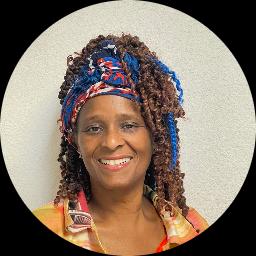
Dr. Farah Ibrahim
CO Psychologist
Compassionate psychologist focusing on attachment and coping
- Stress, Anxiety
- Relationship
- Family
Attachment-based therapy directory
2,063 therapists list social anxiety and phobia among the things they work with. All offer sessions online, and every profile shows the registering body, the membership number and when it runs to.
This page lists therapists who focus on social anxiety and phobia, with profiles that highlight approaches, credentials, languages, and focus areas. Browse the listings below to compare practitioners who list anxiety-focused approaches and find clinicians who match your needs.
CO Psychologist
Compassionate psychologist focusing on attachment and coping
LPCC, LPC
Compassionate therapist focused on relationships and growth
LIMFT, LPCC
Practical, relational therapy for everyday struggles
LPC, LPCC
Practical, attachment-aware counseling for life changes
LPC
Compassionate counselor focused on real-life change
LMHC
Practical support for stress and attachment
LCSW
Attachment-informed care for life's hard moments
LPC, LPCC
Gentle, practical help for deep emotional work
LMHC
Compassionate counselor focused on attachment and coping
LMFT
Compassionate LMFT focusing on attachment and healing
LPC
Calm, practical help for attachment and life stressors
LMHC
Skilled guide for stress, relationships, and healing
LCSW
Calm, relationship-focused therapy for everyday life
LMHC, LCPC
Practical support for stress and life change
LCSW
Practical, warm therapy for attachment and stress
LPC
Healing attachment and building coping skills
LPC, LPCC
Practical therapy for stress and relational healing
LMHC
Calm, practical support for lasting change
LCMHC
Support for stress, loss, and relationship strain
LCSW, LCSW-R
Compassionate support for emotional recovery
LMHC
Practical, steady support for life’s hard moments
LPC
Grounded, practical counseling for overwhelmed adults
LISW, LCSW, CSW
Compassionate clinical social worker focusing on attachment
LCSW
Supportive social worker focused on relationships and coping
LCSW
Therapist focused on attachment and practical support
LMFT
Compassionate, practical therapy for attachment and mood concerns
LPC
Compassionate therapist blending attachment and practical skills
LICSW, LCSW, CSW
Supportive therapy for life transitions and attachment
LCPC
Compassionate therapist for clearer self-talk
NY Psychoanalyst
Experienced psychoanalyst focusing on attachment and coping
LCSW
Calm, practical support for emotional and relationship strain
LISW
Compassionate attachment-focused social worker
LMSW
Attachment-informed social worker focused on life changes
LICSW
Calm, experienced therapist focused on relationships
LPC
Compassionate counselor focused on attachment and action
LCSW
Experienced LCSW focusing on attachment and life changes
LMHC
Experienced attachment-informed counselor
LPC
Compassionate counseling for complex emotions
LMHC
Compassionate LMHC focusing on attachment and connection
LPC
Calm, practical care for emotional challenges
LCSW
Attachment-informed LCSW offering steady support
Some links on this page are partner links. We will earn a commission if you sign up through one, at no cost to you. It does not change what you pay or the order of the listings.
Social anxiety and phobia refer to intense worry or fear about social situations where you might be judged, evaluated, or noticed by others. For some people this worry is occasional and manageable, but for others it becomes a persistent pattern that shapes daily choices - avoiding social gatherings, skipping presentations, or feeling extreme distress in situations that require speaking up. Social anxiety can show up as physical symptoms such as a racing heart, trembling, sweating, or an upset stomach, and it often includes a strong fear of humiliation or rejection. The degree of the condition can vary; some people cope by sticking to very small, familiar groups while others find their work, school, or relationships are significantly affected.
Phobia is sometimes used to denote an especially focused fear, but in common clinical conversation social phobia and social anxiety disorder are used interchangeably to describe cases where anxiety centers specifically on social evaluation. You may notice that the worry is future-oriented - imagining negative outcomes - and that it interferes with participation in activities you value. Understanding these patterns is a first step toward deciding whether professional support could help you regain flexibility and confidence in everyday situations.
You might consider seeking therapy if your worry about social situations feels overwhelming, persistent, or out of proportion to the event. If you find yourself frequently avoiding events, turning down invitations, or using safety behaviors such as rehearsing conversations in extreme detail or relying on alcohol to ease interactions, those are common indicators that anxiety is shaping your choices. Difficulty performing tasks at work or school because of fear of speaking, giving presentations, or interacting with colleagues is another sign that therapy could be helpful.
Other markers include physical symptoms that happen in social settings and limit what you do, distress that lasts for months rather than days, or a growing sense that anxiety prevents you from forming relationships or pursuing opportunities. You may also notice that worry drains your energy or creates a persistent low mood. Therapy can provide techniques to manage symptoms, test unhelpful beliefs about yourself, and gradually expand the range of situations you can face with less distress. Choosing to explore therapy does not mean there is something wrong with you; it means you want a different relationship to anxiety.
When you begin working with a therapist for social anxiety, early sessions typically involve getting to know your history and the situations that trigger the most distress. Your therapist will ask about patterns of avoidance, physical reactions, thought patterns, and what you want to change. Together you and the therapist will set goals that are realistic and measurable, such as attending a meeting, making a phone call, or initiating a conversation without intense anxiety. Goals are often individualized and paced to reduce overwhelm while promoting progress.
Therapy sessions blend exploring the beliefs and fears that fuel anxiety with practical exercises that help you learn new ways of responding. You will likely practice skills during sessions and get tasks to try between appointments. Exposure-based approaches involve gradual, planned practice in real-life situations so you can learn that feared outcomes are unlikely or more tolerable than anticipated. Skills training may focus on managing physical symptoms, breathing and grounding techniques, assertiveness, and strategies for navigating awkward or uncomfortable moments. Your therapist will tailor interventions to your needs and may also work with you on building social skills and interpreting social cues with less self-criticism.
Therapists use a range of approaches to address social anxiety, often combining elements to match your preferences and goals. Cognitive behavioral therapy, known as CBT, is commonly listed by practitioners and emphasizes identifying and shifting unhelpful thoughts and beliefs that maintain anxiety. CBT often pairs cognitive work with exposure exercises so that you both rethink fears and test them in real situations. Therapists who list acceptance and commitment therapy among their approaches focus on helping you accept uncomfortable feelings while clarifying the values that motivate action, which can reduce avoidance.
Some therapists use mindfulness-based strategies to increase your awareness of thoughts and bodily sensations without getting swept up in them. Therapists who include interpersonal or psychodynamic approaches may explore relational patterns and how earlier experiences shape fears of judgment or rejection. Group therapy is another option that some therapists list, offering a context to practice social skills and receive feedback in a guided environment. Also, you may encounter therapists who list approaches such as exposure therapy or behavioral experiments as part of their practice. Remember that when profiles mention an approach it indicates that the therapist includes it in their work, not a specific certification. You can ask a therapist how they structure sessions and how an approach might be applied to your situation during an initial conversation.
Online therapy has become a common way to address social anxiety, offering the chance to meet with a therapist from home or another location that feels comfortable. Sessions are typically held via video, phone, or text-based messaging, and many people find starting online reduces initial barriers to care because you can begin from an environment you control. Online work can support the same kinds of cognitive and behavioral interventions used in person - including exposure exercises adapted for virtual or local settings - and it can make it easier to coordinate sessions with work or school schedules. When planning exposures you and your therapist will develop exercises that fit your context, whether they happen online, in a nearby setting, or during larger community interactions.
When choosing a therapist for social anxiety and phobia, pay attention to the focus areas, approaches, credentials, and languages listed in profiles to find clinicians whose descriptions align with your needs. Consider reading profiles to see how therapists describe their work with anxiety, how they frame goals, and what populations they note as their focus. It can help to prioritize a therapist who mentions practical approaches - such as cognitive work, exposure, or social skills training - if you want structured, skills-based support. You may also prefer a therapist who notes experience working with specific life stages, relationship dynamics, identity factors, or cultural backgrounds that are relevant to you.
Before you begin regular sessions you might reach out to a few therapists to ask about their approach to social anxiety, how they structure exposure or homework, and what a typical session looks like. You can also inquire about whether they offer individual work, group formats, or short-term focused plans if that matters to you. Think about logistical preferences like session length, communication style, and whether you prefer a therapist who emphasizes practical techniques or one who takes a more exploratory relational approach. Trusting your sense of comfort with the therapist's tone and method is important - therapy is a collaborative process and finding someone you can work with matters for making steady progress.
In the end, therapy aims to expand your range of choices so anxiety no longer dictates what you avoid or pursue. Whether you choose in-person work, online sessions, or a combination, the goal is to develop skills and experiences that reduce fear and increase confidence in social situations. Use the profiles below to learn more about the therapists who list social anxiety and phobia as an area of focus, and consider reaching out to start a conversation about what a tailored plan might look like for you.