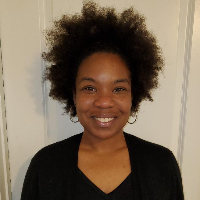
Dr. Farah Ibrahim
CO Psychologist
Compassionate psychologist focusing on attachment and coping
- Stress, Anxiety
- Relationship
- Family
Attachment-based therapy directory
865 therapists list prejudice and discrimination among the things they work with. All offer sessions online, and every profile shows the registering body, the membership number and when it runs to.
This page lists therapists who focus on prejudice and discrimination and the effects they can have on emotional health. Browse the listings below to explore approaches, credentials, languages, and experience to help find a good fit.
CO Psychologist
Compassionate psychologist focusing on attachment and coping
LPCC, LPC
Compassionate therapist focused on relationships and growth
LIMFT, LPCC
Practical, relational therapy for everyday struggles
LPC
Compassionate counselor helping people rebuild connection
LMHC
Practical support for stress and attachment
LMHC
Compassionate counselor focused on attachment and coping
LMFT
Compassionate LMFT focusing on attachment and healing
LMHC, LCPC
Practical support for stress and life change
LPC
Healing attachment and building coping skills
LCSW
Attachment-informed therapist focused on practical change
LMHC
Calm, practical support for lasting change
LCSW, LCSW-R
Compassionate support for emotional recovery
LCSW
Supportive social worker focused on relationships and coping
LCSW
Therapist focused on attachment and practical support
LICSW, LCSW, CSW
Supportive therapy for life transitions and attachment
LCPC
Compassionate therapist for clearer self-talk
NY Psychoanalyst
Experienced psychoanalyst focusing on attachment and coping
MD, LCSW-C
Compassionate, practical therapy for life changes
LISW
Compassionate attachment-focused social worker
LMHC
Compassionate LMHC focusing on attachment and connection
LCSW
Attachment-informed LCSW offering steady support
LPC
Compassionate counselor focused on attachment and recovery
LPC
Experienced counselor focused on connection and coping
LCSW
Practical, strengths-based therapy for adults
LMFT, LCMFT
Relationship healing and boundary building
LPC
Helping people reframe relationships and reactions
LMHC
Compassionate, practical support for everyday struggles
LPC
Warm LPC blending attachment and skills-based care
MD, LCPC
Compassionate counselor focusing on attachment and coping
LMFT
Attachment-minded LMFT offering practical support
LPC
Compassionate counselor focusing on relationships
LMHC
Compassionate counselor blending attachment and practical skills
LCMHC
Compassionate counselor focused on attachment and recovery
LPC
Compassionate counselor helping steady emotions and relationships
LMHC
Experienced counselor focused on attachment and practical skills
LPC
Compassionate care for attachment and life challenges
LPCC, LPC
Attachment-informed counselor with practical tools
LPC
Compassionate therapist helping people build stable connections
LMHC
Steady, practical therapy focused on attachment and values
LMHC
Attachment-focused counselor blending practical therapies
LPC
Compassionate care for relationship and emotional struggles
LCSW
Compassionate LCSW focused on attachment and healing
Some links on this page are partner links. We will earn a commission if you sign up through one, at no cost to you. It does not change what you pay or the order of the listings.
Prejudice and discrimination refer to attitudes, behaviors, and systems that treat people unfairly because of characteristics such as race, ethnicity, gender, sexual orientation, religion, disability, age, or immigration status. These experiences can be overt, such as harassment or exclusion, or subtle, such as microaggressions, stereotyping, or institutional barriers. Although the social and political dimensions are central, the personal impact is often emotional and relational. You may notice changes in mood, trust, or how you relate to others after repeated encounters with prejudice. The harm can accumulate over time so that what begins as an isolated incident becomes a persistent source of stress.
Because discrimination can be layered with other life events, you might find it affects your sense of belonging, your career path, or your ability to feel safe in everyday settings. For many people, the effects are not only immediate but also long term, shaping expectations about how others will treat you. Identity-related stress can influence sleep, concentration, and motivation, and can complicate existing mental health concerns. Therapy that focuses on prejudice and discrimination addresses both the emotional consequences and the practical ways you respond to ongoing bias, allowing you to develop strategies for self-care, boundaries, and resilience while acknowledging the real social roots of the harm.
You might consider seeking support if you find that incidents of prejudice or discrimination are changing how you feel about yourself or your relationships. If you notice persistent anxiety when thinking about certain spaces, recurring anger that is hard to move through, or recurrent feelings of shame linked to your identity, these are common reasons people pursue therapy. You may also find that past experiences of bias resurface during life transitions, at times of loss, or when new microaggressions occur. Emotional distress after such events can show up as difficulty concentrating, disrupted sleep, avoidance of social situations, or tension in intimate relationships. When these patterns begin to interfere with work, school, or daily routines, working with a therapist can provide focused attention and strategies to manage the impact.
Another sign that therapy may help is if you are struggling to name what you are feeling or why you react in certain ways. Prejudice and discrimination often create layered responses that mix legitimate anger with worry about how you will be perceived if you speak up. Therapy can provide a place to sort through these responses, clarify your values, and practice communication or safety planning for future situations. You do not need to experience severe symptoms to benefit from therapy; many people find it useful to have a knowledgeable listener and a sounding board while they adapt to ongoing social stressors.
When you begin therapy focused on prejudice and discrimination, the first sessions often center on building rapport and mapping the history of your experiences. A therapist will typically ask about the events that brought you in, how they have affected your daily life, and the coping strategies you currently use. Sessions may explore the emotional and cognitive responses you have to bias, the role of identity in your relationships, and the practical decisions you face about safety, disclosure, or activism. Goals are usually collaborative and can include reducing distress, increasing assertive communication, improving relationships, and strengthening personal resources.
Therapists who list cognitive behavioral therapy, narrative therapy, mindfulness-based approaches, acceptance and commitment therapy, or emotion-focused methods among their approaches may use these frameworks to address the thoughts and feelings that arise after discriminatory experiences. Narrative-oriented work can help you reclaim stories about your identity and separate your sense of self from hurtful labels. Cognitive approaches can target unhelpful beliefs that emerge from repeated bias, while mindfulness and grounding techniques can reduce physiological reactivity in triggering moments. Some therapists describe their work as intersectional, meaning they consider how different aspects of your identity interact to shape your experience. Group therapy models are also used by therapists who list group work among their approaches, offering opportunities to process experiences with others who share similar concerns. When trauma-related symptoms are present, you may encounter therapists who list trauma-focused strategies among their methods, always described as part of a broader conversation about what feels helpful and manageable for you.
Online therapy can make it easier to connect with therapists who have experience or an interest in prejudice and discrimination across geographic boundaries. You can search for therapists by approach, language, or identity considerations and then meet through video, phone, or messaging formats depending on what the therapist offers. Many people find that remote sessions allow more flexibility in scheduling and reduce the logistical stress of travel, which can be especially helpful if you are navigating work, family, or safety concerns. When you meet remotely, sessions still provide the same space to process emotions, develop coping strategies, and rehearse responses to discriminatory incidents.
It is common for therapists and clients to discuss how online work fits the client’s needs. Some people prefer in-person meetings when they want face-to-face interaction, while others find that meeting from home or a car between commitments helps them maintain consistency. Technology can be a tool for continuity when life circumstances change, and therapists may use supported video platforms, messaging tools, or emailed worksheets to support the work. If you have concerns about audio or video quality, these are worth raising with a therapist ahead of time so you can agree on a format that supports focused sessions.
Choosing a therapist is a personal decision that often depends on the fit between your needs and a therapist’s focus. Start by thinking about what matters most to you in therapy. You might prioritize shared identity or life experience, a particular therapeutic approach, the languages a therapist speaks, or their stated experience working with the kinds of discrimination you have faced. Look for profiles that describe interest in identity-based stress, social justice, or intersectional perspectives. When you review profiles, note which therapists list approaches that resonate with you, such as narrative work to reframe identity stories or cognitive methods to address patterns of thought that developed in response to bias.
Communication style matters as much as formal qualifications. You may prefer a therapist who emphasizes practical skills and action, or someone who offers a reflective, exploratory style. Consider whether you want individual work, group settings, couples therapy, or consultation around organizational issues linked to discrimination. It is reasonable to reach out to several therapists to learn more about their perspective on prejudice-related challenges and to make an informed choice about who feels most aligned with your needs. Trust your sense of whether a therapist listens to your concerns and understands the social context that shapes your experiences. Over time, you can refine goals and methods so the work remains relevant to the ways prejudice and discrimination affect your life.
Working with a therapist on prejudice and discrimination does not erase the social causes of harm, but it can equip you with tools to manage the emotional load, clarify your boundaries, and strengthen the relationships and routines that sustain you. Whether you pursue in-person or online sessions, the aim is to find a collaborative professional who acknowledges both the personal and systemic dimensions of your experience and helps you move forward in ways that feel meaningful and effective.