Attachment-based therapy directory
Therapists who work with Licensed Clinical Professional Counselor (LCPC)
121 therapists in this directory list Licensed Clinical Professional Counselor (LCPC). Registration details are shown as each therapist lists them; the body's own public register is the place to check a number.
A Licensed Clinical Professional Counselor (LCPC) is a mental health professional who has completed graduate-level training and supervised clinical experience to provide counseling and psychotherapy. Below you can browse verified LCPC therapists who list their approaches and specialties to help refine your search.


Genotra Brown
LMHC, LCPC
Practical support for stress and life change
- Stress, Anxiety
- Self esteem
- Depression

Dr. Lynn Duffy
MD, LCPC
Compassionate, focused relationship and life counseling
- Relationship
- Trauma and abuse
- Grief


Maria "Patti" Lorenzo
LCPC
Compassionate therapist for clearer self-talk
- Trauma and abuse
- Self esteem
- Coping with life changes


Camille Jones
LCPC
Attachment-informed counselor with practical tools
- Stress, Anxiety
- Trauma and abuse
- Self esteem

Lorraine Helferich
MD, LCPC
Compassionate counselor focusing on attachment and coping
- Stress, Anxiety
- Trauma and abuse
- Self esteem

Malisha Webber
LCPC
Compassionate guidance for attachment and life changes
- Stress, Anxiety
- Relationship
- Trauma and abuse

Dr. Wende Pannell
LCPC
Compassionate care for lasting emotional change
- Stress, Anxiety
- Relationship
- Trauma and abuse

Mario Bailey
LCPC, LPC
Calm, practical therapy focused on attachment
- Stress, Anxiety
- Family
- Trauma and abuse

Carla Morris
LCPC
Calm, experienced counselor focusing on attachment
- Stress, Anxiety
- Trauma and abuse
- Depression

Traci White
LCPC
Compassionate counselor focused on attachment and practical skills
- Stress, Anxiety
- Trauma and abuse
- Self esteem

Vadim Sitnyakovskiy
LCPC
Compassionate, practical counseling focused on relationships
- Stress, Anxiety
- Self esteem
- Depression

April Lacey
LCPC
Compassionate, practical therapy for attachment and mood
- Relationship
- Trauma and abuse
- Anger
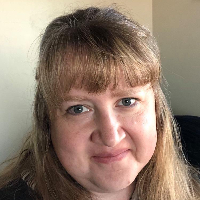
Lisa Johnson
LCPC
Compassionate counseling grounded in attachment
- Stress, Anxiety
- Trauma and abuse
- Grief

George Brassea
LCPC
Attachment-informed counselor blending clinical and practical insight
- Stress, Anxiety
- LGBT
- Grief

Aleksander Casas
LCPC
Compassionate, practical therapy for life transitions
- Stress, Anxiety
- Addictions
- LGBT

Thomas Buckner
LCPC
Healing relationships and managing strong emotions
- Trauma and abuse
- Anger
- Self esteem

Stacey Sugar
MD, LCPC, LPCC
Attachment-informed clinician focused on relational change
- Stress, Anxiety
- Relationship
- Family
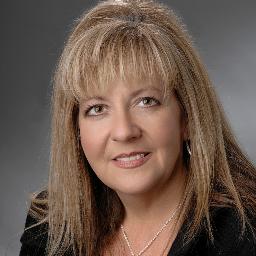
Jacqueline "Jackie" Pattison
LCPC
Compassionate therapy for life changes and relationships
- Stress, Anxiety
- Relationship
- Family

Rev. Jacklyn McNeil
LCPC, LPC
Compassionate counselor for attachment and change
- Stress, Anxiety
- Relationship
- Trauma and abuse


Danielle Turner
LCPC
Helping people heal patterns and build resilience
- Stress, Anxiety
- Trauma and abuse
- Parenting

Catherine Surovy
LPC, LCPC
Compassionate attachment-informed counseling
- Stress, Anxiety
- Relationship
- Family

Jessica Caraballo
LCPC
Compassionate counseling with practical steps
- Stress, Anxiety
- Relationship
- Parenting

Erika Moe
LCPC
Calm, collaborative counseling for life transitions
- Stress, Anxiety
- Trauma and abuse
- Parenting

Erin Welsh
MD, LCPC
Practical, collaborative counseling for many life challenges
- Stress, Anxiety
- Relationship
- Self esteem

Gabrielle Barrington
MD, LCPC
Compassionate attachment-informed care
- Stress, Anxiety
- Family
- Self esteem

Jacqueline Fry
LCPC
Attachment-informed counselor focused on practical skills
- Stress, Anxiety
- Trauma and abuse
- Self esteem

Navia Syrie
LCPC
Warm, practical counselor focused on family dynamics
- Stress, Anxiety
- Relationship
- Family

Tomi Taylor
LPC, LCPC
Compassionate attachment-informed care
- Stress, Anxiety
- Trauma and abuse
- Coping with life changes

Dr. Ashley Mitich
LCPC
Attachment-informed counselor focused on relationships
- Stress, Anxiety
- Relationship
- Self esteem

Kathleen Griffin
LCPC
Practical support for relationship and life changes
- Relationship
- Self esteem
- Career

Richard Ingram-Hegenbart
LCPC
Practical, warm counseling for everyday struggles
- Stress, Anxiety
- Self esteem
- Career

Mercides Palmer
MD, LCPC
Compassionate practical therapy for relationship and mood struggles
- Relationship
- Trauma and abuse
- Grief

Ashley Kingston
LCPC
Collaborative, practical therapy for everyday challenges
- Stress, Anxiety
- Relationship
- Trauma and abuse

Dr. Penny Brower
LCPC
Calm, practical therapy rooted in attachment
- Stress, Anxiety
- Relationship
- Self esteem

Cathalene Silver
LCPC, LMFT
Seasoned therapist focusing on attachment and practical skills
- Stress, Anxiety
- LGBT
- Relationship

Yvette Medina
LCPC
Warm bicultural counselor focused on practical growth
- Stress, Anxiety
- Addictions
- Trauma and abuse

Jana Grooms
LCPC, LMHC
Grounded help for trauma and life transitions
- Stress, Anxiety
- Addictions
- Trauma and abuse

Angela Veach
LCPC
Experienced counselor focused on attachment and life changes
- Stress, Anxiety
- Relationship
- Self esteem

Sara Irwin
LCPC, LPC
Practical, compassionate help for everyday struggles
- Stress, Anxiety
- Addictions
- Relationship

Tonya Boyd
LCMHC, LCPC
Helping people find clarity and steady progress
- Stress, Anxiety
- LGBT
- Self esteem

Gary Reeves
LCPC
Compassionate LCPC focused on relationships and coping
- Stress, Anxiety
- LGBT
- Relationship

Dr. James Geidner
LCPC, LPC
Therapist focused on attachment and practical skills
- Stress, Anxiety
- Relationship
- Trauma and abuse

Celeste Trevino
LCPC
Practical, attachment-informed therapy for adults
- Stress, Anxiety
- Relationship
- Trauma and abuse

Jenelle Hoyt
LCPC
Therapist who blends attachment insight and skills
- Stress, Anxiety
- Relationship
- Self esteem
Some links on this page are partner links. We will earn a commission if you sign up through one, at no cost to you. It does not change what you pay or the order of the listings.
What "LCPC" Means and the Typical Education Path
The LCPC credential identifies a clinician who has met a set of academic and clinical requirements established by a state licensing board. Typically you will find that an LCPC holds a master’s or doctoral degree in counseling, clinical psychology, or a related mental health field. After completing graduate coursework, the path toward licensure generally includes a period of supervised clinical hours, during which the clinician works with clients under the oversight of a licensed professional. Once supervised requirements are met, an exam administered or recognized by the licensing authority is usually required before the license is issued. Many states also require ongoing continuing education to maintain an active LCPC credential.
Because licensure rules vary by state, the exact number of supervised hours and the name of the examination can differ. The acronym LCPC may appear slightly differently in some jurisdictions, but the core idea is consistent: a standardized process that combines graduate education, practical experience, and a legal credential to practice as a professional counselor. If you are looking at a clinician’s profile, you can often find summary information about their education and the year their license was issued. That information helps you understand the academic and experiential foundation behind the credential.
What an LCPC Therapist Is Qualified to Do Compared to Other License Types
As you compare licensure categories, keep in mind that scope of practice is often guided by state law rather than national convention. In general, LCPCs are prepared to assess emotional and behavioral concerns, provide psychotherapy for individuals and families, and develop treatment plans to address psychological and relational issues. Some LCPCs also work in consultation roles, conduct intake evaluations, and collaborate with other professionals as part of coordinated care.
Differences between license types, such as social work, psychology, or marriage and family therapy, stem from educational emphasis, training models, and regulatory language. For example, clinical psychologists may hold doctoral degrees and a different set of testing requirements. Social workers hold degrees in social work and may have broader training in systems and community resources. Marriage and family therapists focus on relational and family systems. LCPCs often have training that emphasizes counseling theory, therapeutic practice, and clinical interventions within an individual or systemic framework. Because state rules vary, you should expect overlap in many clinical tasks and distinct differences in titles and permitted activities in certain settings.
Common Specialties and Treatment Areas for LCPC Therapists
LCPCs work across a wide range of concerns and populations. You will commonly see clinicians who focus on anxiety and mood disorders, trauma and post-traumatic stress responses, relationship difficulties and couples work, adolescent and child counseling, grief and loss, and life transitions. Many LCPCs also specialize in workplace stress, chronic health adjustment, parenting challenges, or issues related to identity and cultural stressors. When you read therapist profiles, you may notice that some list approaches such as cognitive-behavioral therapy, psychodynamic approaches, mindfulness-informed methods, or that they list EMDR among their approaches. Those listings indicate the methods a clinician uses in practice rather than formal certification details.
Specialization often emerges from a clinician’s caseload, continuing education, and personal interest. If you have a specific concern - for instance, trauma-related symptoms or couples therapy - look for LCPCs who explicitly describe working with that population or issue. Many clinicians mention population focus, languages spoken, and age ranges served to help you determine whether their practice aligns with your needs.
How to Verify an LCPC Credential
If you want to confirm that a clinician holds an active LCPC license, the most reliable source is the state licensing board where the clinician practices. Each state typically maintains an online license lookup where you can search by name or license number to view license status, issue and expiration dates, and any public disciplinary actions. Those records also often indicate the exact title under which the clinician is licensed and whether the license is unrestricted.
When you review a license record, note the jurisdiction listed and that it matches the clinician’s practice location. If you see any questions about the record, you can contact the licensing board directly for clarification. In addition to the licensing board, some clinicians list their graduate institution and year of graduation on their profiles, which you can use to cross-check educational background. Remember that public directories and clinician profiles are useful starting points, but state board records are the authoritative source for licensure information.
Benefits of Choosing an LCPC and Tips for Finding the Right One
Benefits to Consider
Choosing an LCPC can mean working with someone whose education and supervised experience were focused on clinical counseling and psychotherapy. LCPCs often have extensive training in assessment and ongoing treatment planning, and many practice across settings including community clinics, hospitals, schools, and independent practice offices. Because of their training model, LCPCs may be especially oriented toward practical counseling strategies, relational work, and long-term therapy depending on your needs.
Practical Tips for Finding the Right LCPC
Start by clarifying what you want from therapy and which approaches or populations matter to you. Read clinician profiles to learn about specialties, approaches, languages spoken, and professional background. When profiles mention therapeutic methods such as CBT, psychodynamic approaches, or that they list EMDR among their approaches, treat that information as an indicator of how the clinician frames their work rather than a verification of a specific certification. Consider logistical factors that matter to you, for example whether you prefer in-person sessions at an office or remote sessions by video, and whether the clinician works with the age group or cultural background that parallels your situation.
When you reach out for an initial conversation, prepare a few questions about the clinician’s experience with your concerns, their approach to therapy, and how they structure sessions. You can also ask about fees, insurance billing practices, and any sliding-scale policies if cost is a factor. Pay attention to how the clinician responds to your questions and whether their communication style matches what you find helpful. Building a therapeutic relationship is a personal process, and it is reasonable to explore several profiles until you find someone whose approach and experience align with your expectations.
Finally, remember that credentials are one component of fit. An active LCPC license shows that a clinician has completed defined educational and supervised practice standards. Pair that verification with attention to approach, population focus, logistical fit, and the interpersonal rapport you experience in early contacts. That combination will help you find a clinician whose practice fits the needs you bring to therapy.