
Ashley Askins, LPC-MHSP
Therapist in Tennessee
Ashley Askins is a licensed professional counselor with a focus on stress, anxiety, trauma and abuse, parenting concerns, and mood conditions like depression and bipolar.
- Licensed inTennessee
- License6032
- NPI 1942554274
- Experience5+ years
- LanguagesEnglish
Details are as listed on the therapist's public professional profile. You can check any license with the state board and any NPI with the national registry.
About Ashley
Ashley Askins is a licensed professional counselor with a focus on stress, anxiety, trauma and abuse, parenting concerns, and mood conditions like depression and bipolar. She works with people who are juggling addiction recovery, ADHD, or questions about self-esteem and life purpose. Ashley uses practical steps and conversational guidance to help people make changes that fit their daily lives.
She believes people know their own stories and brings a calm, respectful presence to sessions.
Background and approach
That means listening first, then offering tools that fit each person’s goals. Her style blends direct skill teaching with time to process difficult feelings. Ashley draws on Attachment-Based Therapy to look at how early relationships shape current patterns.
She also uses cognitive behavioral techniques to help change unhelpful thoughts and EMDR for trauma-focused work when it is appropriate. Mindfulness and motivational interviewing appear in sessions to build focus and strengthen motivation. Sessions tend to be straightforward and goal-oriented while keeping space for emotion.
She often uses short exercises, practical homework, and simple reflection to help people notice change between meetings. The aim is steady progress rather than quick fixes. Ashley holds the LPC-MHSP credential in Tennessee and has five years of professional experience.
She offers sessions in English and provides multiple online formats to fit different schedules and needs.
Credentials
- LPC-MHSP (Tennessee)
- License 6032 · expires June 2027
- NPI
- 1942554274 · national provider identifier
Both are public records. A state board register will confirm a license and its standing, and the national registry will confirm an NPI. This directory copies what the therapist lists and checks neither.
Focus areas and approaches
Everything Ashley lists on their public professional profile, in their own terms.
- Stress, Anxiety
- Trauma and abuse
- Parenting issues
- Self esteem
- Depression
- Bipolar disorder
- Coaching
- ADHD
- Attachment issues
- Drug and alcohol addiction
- Forgiveness
- Guilt and shame
- Life purpose
- Postpartum depression
- Prejudice and discrimination
- Self-love
Approaches Ashley names
- Attachment-Based Therapy
- Cognitive Behavioral Therapy (CBT)
- Eye Movement Desensitization and Reprocessing (EMDR)
- Mindfulness Therapy
- Motivational Interviewing
- Solution-Focused Therapy
- Trauma-Focused Therapy
Naming an approach is not evidence of training in it. This directory copies what each therapist lists and does not check training records.
Online support
Attachment and trauma approaches in online care
Ashley integrates Attachment-Based Therapy to help people understand how early relationships affect current reactions and close connections. This approach looks at patterns of relating and helps people try new ways of connecting and setting boundaries.She also uses Cognitive Behavioral Therapy to identify unhelpful thoughts and replace them with more useful ones. CBT often includes short homework tasks and clear skill practice to reduce anxiety and lift mood. For clients who have experienced trauma, she may use Eye Movement Desensitization and Reprocessing to address distressing memories in a focused way.
Finding the best approach is a collaborative process. The therapist will talk through goals, preferences, and what feels manageable, then try approaches that match those needs. Sessions can adapt over time as progress and priorities change.
Online therapy options include video calls, phone sessions, live chat, and text-based messaging, which makes it easier to fit care into busy lives. Video is useful for full conversation and visual cues, phone calls work well when bandwidth is limited, live chat can be a shorter check-in, and text messaging supports ongoing reflection between sessions. These formats increase flexibility and help people stay consistent with care while balancing other responsibilities.
We will earn a commission if you sign up through our link, at no cost to you. It does not change what you pay or the order of the listings.
Frequently asked
What concerns does Ashley help with?
She supports people facing stress, anxiety, trauma and abuse, parenting strain, low self-esteem, depression, bipolar symptoms, ADHD, and addiction-related issues.
How would you describe her therapeutic style?
Her approach is practical and collaborative, combining listening with skill teaching and short exercises to help people make steady changes.
What kinds of clinical approaches does she use?
She uses Attachment-Based Therapy along with cognitive behavioral techniques, EMDR for trauma work, mindfulness practices, and motivational interviewing to support change.
What are her credentials and where is she based?
She holds the LPC-MHSP credential and practices in Tennessee.
Which languages are supported for sessions?
Sessions are offered in English.
Can people outside the United States work with her?
International clients are not currently accepted.
What session formats does she offer online?
Available formats include video calls, phone sessions, live chat, and text-based messaging to suit different needs and schedules.
How are costs handled and how do subscriptions work?
Cost varies with location and therapist availability; sessions use a subscription model that can be canceled at any time.
More therapists in Tennessee
See all
Dawn Meadow
LPC
Compassionate counselor helping people rebuild connection
- Stress, Anxiety
- Trauma and abuse
- Parenting
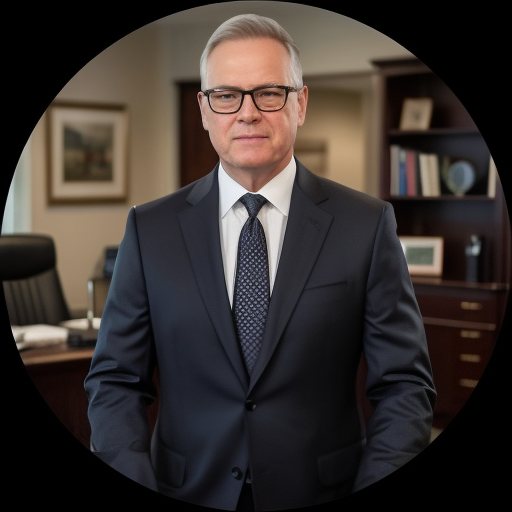
Dr. Edward Varner
LPC-MHSP
Therapist focused on real-life change
- Relationship
- Trauma and abuse
- Self esteem

Linda Hazel
LMFT
Compassionate therapist focused on attachment and healing
- Addictions
- Relationship
- Family
Is this your profile?
Ask us to correct details or take the page down.
Contact us