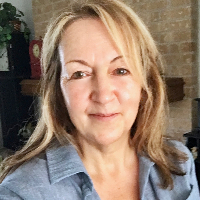
Debra Rice, LCSW
Therapist in New York
Debra Rice is a licensed clinical social worker (LCSW) in New York who centers her work on attachment-based approaches and practical skills.
- Licensed inNew York
- License070013
- NPI 1295246163
- Experience14+ years
- LanguagesEnglish
Details are as listed on the therapist's public professional profile. You can check any license with the state board and any NPI with the national registry.
About Debra
Debra Rice is a licensed clinical social worker (LCSW) in New York who centers her work on attachment-based approaches and practical skills. She offers calm, steady support for people feeling overwhelmed by stress, anxiety, depression, grief, or life transitions. Her style is straightforward and focused on what will help day to day.
With 14 years of experience, Debra uses a mix of methods to match each person's needs. She draws from client-centered work to listen closely and from cognitive behavioral and acceptance-based strategies to change unhelpful patterns.
Background and approach
Dialectical skills and mindfulness tools are also part of her toolbox when people need better ways to manage intense emotions. Sessions include real talk about what is out of balance and concrete steps to change that. She helps people with parenting and family concerns, relationship and commitment issues, addictions, and self-esteem struggles.
Practical problems such as sleeping trouble, career transitions, and caregiver stress are also addressed. Debra also supports people facing attachment difficulties, blended family challenges, body image and eating-related concerns, and isolation or loneliness. She works with aging and geriatric issues and the stress that comes from caregiving or life changes caused by disasters.
People meet Debra through video, phone, live chat, or text messaging. Her approach is collaborative: she listens first, then helps build skills and small changes that fit each person’s life.
Credentials
- LCSW (New York)
- License 070013 · expires November 2028
- NPI
- 1295246163 · national provider identifier
Both are public records. A state board register will confirm a license and its standing, and the national registry will confirm an NPI. This directory copies what the therapist lists and checks neither.
Focus areas and approaches
Everything Debra lists on their public professional profile, in their own terms.
- Stress, Anxiety
- Family conflicts
- Parenting issues
- Self esteem
- Depression
- Addictions
- Relationship issues
- Grief
- Sleeping disorders
- Career difficulties
- Coping with life changes
- Aging and geriatric issues
- Attachment issues
- Blended family issues
- Body image
- Caregiver issues and stress
- Codependency
- Commitment issues
- Control issues
- Coping with natural or human-caused disaster
- Eating and food-related issues
- Emptiness
- Forgiveness
- Impulsivity
- Infidelity
- Isolation / loneliness
- Jealousy
- Life purpose
- Midlife crisis
- Obsessions, compulsions, and OCD
- Social anxiety and phobia
- Trichotillomania
- Women's issues
- Workplace issues
Approaches Debra names
- Attachment-Based Therapy
- Acceptance and Commitment Therapy (ACT)
- Client-Centered Therapy
- Cognitive Behavioral Therapy (CBT)
- Dialectical Behavior Therapy (DBT)
- Mindfulness Therapy
- Motivational Interviewing
- Narrative Therapy
- Solution-Focused Therapy
Naming an approach is not evidence of training in it. This directory copies what each therapist lists and does not check training records.
Online support
Attachment and skills-based approaches for online care
Debra combines attachment-based ideas with acceptance and commitment work to help people understand how relationships and early patterns affect current life. Attachment-based therapy looks at patterns of connection and helps people notice and change ways of relating that cause pain or distance. Acceptance and Commitment Therapy, or ACT, uses acceptance and values-based action to help people live toward what matters even when uncomfortable feelings appear. Finding the right approach is a conversation. Debra collaborates with each person to decide which methods fit their goals and situation. She listens to what matters most, then mixes listening, skill practice, and small behavioral changes that suit the person’s life. Online formats include video calls, phone sessions, live chat, and text-based messaging. Video is useful for longer sessions and more depth, phone can be easier when bandwidth or movement is limited, live chat suits shorter check-ins, and text messaging supports brief ongoing contact between meetings. These options make it easier to fit therapy around work, caregiving, and other daily demands while maintaining a consistent therapeutic process.We will earn a commission if you sign up through our link, at no cost to you. It does not change what you pay or the order of the listings.
Frequently asked
What kinds of concerns does she help with?
She helps with stress, anxiety, depression, grief, relationship challenges, parenting and family concerns, and coping with life changes. Additional issues include addictions, sleep problems, career transitions, and caregiver stress.
What is her general therapy style?
Her style is collaborative and practical. She listens closely and uses attachment-informed conversation plus skills from CBT, ACT, and DBT to help people make manageable changes.
How much clinical experience does she have?
She has 14 years of experience working with adults on a range of emotional and life concerns. That background informs how she blends listening with hands-on skill building.
Where is she licensed and practicing?
She is a licensed clinical social worker, LCSW, licensed in New York. Sessions are provided from that location.
Which languages are supported in sessions?
Sessions are offered in English.
What session formats are available?
Sessions can be conducted by video calls, phone sessions, live chat, or text-based messaging. Those options allow different rhythms and lengths of contact to suit daily life.
How is cost handled for sessions?
Cost varies with location and therapist availability and uses a subscription model. The subscription can be canceled at any time.
How do I begin working with her?
To start, select the Start Therapy button, complete a short matching questionnaire, and schedule according to therapist availability. The process connects you and sets the first session.
More therapists in New York
See all
Alona Perlin
LCSW
Practical, warm therapy for attachment and stress
- Stress, Anxiety
- Relationship
- Trauma and abuse

Mi Jung You
LMHC
Practical, steady support for life’s hard moments
- Stress, Anxiety
- Relationship
- Family

Dr. Sung Ho Kim
NY Psychoanalyst
Experienced psychoanalyst focusing on attachment and coping
- Stress, Anxiety
- Relationship
- Trauma and abuse
Is this your profile?
Ask us to correct details or take the page down.
Contact us