- Licensed inIllinois, Wisconsin
- License149006727, 9075 - 123
- NPI 1871628016
- Experience30+ years
- LanguagesEnglish
Details are as listed on the therapist's public professional profile. You can check any license with the state board and any NPI with the national registry.
About Mary
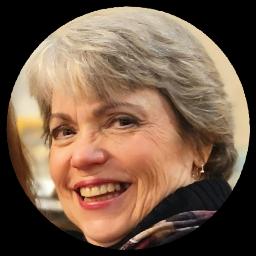
Dr. Mary Weeden is a licensed clinical social worker with thirty years of experience. She combines a warm, straightforward way of talking with practical strategies to help people facing stress, anxiety, depression, grief, eating concerns, and low self-esteem.
She draws on attachment-based ideas to look at how early relationships shape current feelings and patterns. That perspective pairs with client-centered care that makes room for each person to be heard. Cognitive Behavioral Therapy tools are used when helpful to change unhelpful thinking and behavior.
Background and approach
Her background also includes training and work as a registered nurse, which informs a calm and practical approach to health-related worries. She has worked with issues such as body image, caregiving stress, and end-of-life concerns. Those experiences help her address complex life transitions and overlapping problems.
In sessions, the focus is on clear goals and small, manageable steps. She talks with people about what matters most and helps them build skills they can use outside of therapy. The tone is supportive and nonjudgmental, and progress is measured in everyday improvements.
Dr. Weeden holds LCSW credentials in Illinois and Wisconsin. She offers sessions in English and provides several remote formats so people can choose what fits their schedule and needs.
Credentials
- LCSW (Illinois)
- License 149006727 · expires November 2027
- LCSW (Wisconsin)
- License 9075 - 123 · expires February 2027
- NPI
- 1871628016 · national provider identifier
Both are public records. A state board register will confirm a license and its standing, and the national registry will confirm an NPI. This directory copies what the therapist lists and checks neither.
Focus areas and approaches
Everything Mary lists on their public professional profile, in their own terms.
- Stress, Anxiety
- Grief
- Eating disorders
- Self esteem
- Depression
- Abandonment
- Aging and geriatric issues
- Attachment issues
- Body image
- Caregiver issues and stress
- Co-morbidity
- Communication problems
- Control issues
- Divorce and separation
- Eating and food-related issues
- Family of origin issues
- Guilt and shame
- Hospice and end-of-life counseling
- Midlife crisis
- Mood disorders
- Obsessions, compulsions, and OCD
- Panic disorder and panic attacks
- Phobias
- Seasonal Affective Disorder (SAD)
- Social anxiety and phobia
- Women's issues
Approaches Mary names
- Attachment-Based Therapy
- Client-Centered Therapy
- Cognitive Behavioral Therapy (CBT)
- Dialectical Behavior Therapy (DBT)
- Emotionally-Focused Therapy (EFT)
- Mindfulness Therapy
- Motivational Interviewing
- Narrative Therapy
- Solution-Focused Therapy
- Systemic Therapy
Naming an approach is not evidence of training in it. This directory copies what each therapist lists and does not check training records.
Online support
How attachment and practical therapy work online
Attachment-Based Therapy looks at how early relationship patterns affect how people bond and react now. Online work using that view can help identify patterns and try new ways of relating to yourself and others. Client-Centered Therapy focuses on listening and creating a respectful space where the person’s goals lead the work; it supports building trust and clear goals over time.Finding the right approach is part of the process. The therapist will talk with the client about needs, goals, and what feels most useful, then try approaches together. That collaborative process helps shape sessions so they match what the person wants to accomplish.
Online formats offered include video calls, phone sessions, live chat, and text-based messaging. Video lets people work face to face from different locations. Phone sessions are useful when bandwidth is limited or for a shorter check-in. Live chat and text messaging allow quick check-ins, reminders, and ongoing support between longer sessions. These options make it easier to fit therapy into work, caregiving, or health schedules while keeping the focus on clear goals and practical steps.
We will earn a commission if you sign up through our link, at no cost to you. It does not change what you pay or the order of the listings.
Frequently asked
What concerns does she address?
She helps people dealing with stress, anxiety, depression, grief, eating concerns, and low self-esteem, along with related issues like body image, abandonment, and caregiver stress.
How would you describe her therapy style?
Her style blends attachment-based perspectives with client-centered listening and practical tools like CBT and DBT skills to help people change thinking and behavior.
What is her professional background?
She has thirty years of clinical experience and prior work as a registered nurse, which informs a practical, calm approach to health and life transitions.
What credentials and location are listed?
She holds LCSW credentials in Illinois and Wisconsin and practices from Wisconsin.
In which languages are sessions offered?
Sessions are offered in English. She is not currently taking international clients.
What session formats are available?
She offers video calls, phone sessions, live chat, and text-based messaging to match different schedules and communication preferences.
How does cost and billing work?
Costs vary with location and therapist availability; sessions use a subscription that can be canceled at any time.
How do I begin working with her?
Click the Start Therapy button, complete a short matching questionnaire, and then schedule according to therapist availability.
More therapists in Wisconsin
See all

Rebekah Wolff
LPC
Warm LPC blending attachment and skills-based care
- Stress, Anxiety
- Relationship
- Self esteem
Dr. Denise Petrelli-Holst
LPC
Experienced counselor with varied career background
- Stress, Anxiety
- Self esteem
- Career
Is this your profile?
Ask us to correct details or take the page down.
Contact us