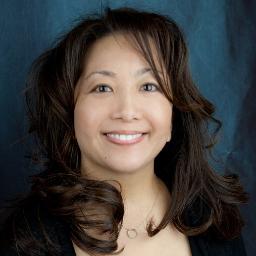
- Licensed inMichigan
- License6801088916
- NPI 1093818379
- Experience11+ years
- LanguagesEnglish
Details are as listed on the therapist's public professional profile. You can check any license with the state board and any NPI with the national registry.
About Rebecca
Dr. Rebecca Wiersma is a licensed master social worker (LMSW) with a doctorate in philosophy focused on social work practice. She brings 11 years of experience in mental health to sessions.
Her work is straightforward and practical. She aims to make therapy easy to understand for busy people and worried parents. She helps people who are dealing with anxiety, stress, depression, bipolar mood concerns, grief, and anger.
She also supports those facing parenting challenges, attachment issues, adoption and foster care questions, and disruptive mood concerns like DMDD.
Background and approach
Other common topics she addresses include low self-esteem, relationship communication problems, life transitions, and career stress. Dr. Wiersma draws from several approaches and adapts them to each person.
She uses client-centered conversations to understand what matters most to the person sitting across from her. She also brings in cognitive behavioral tools to spot thinking patterns and mindfulness exercises to build calm and focus. Attachment-based ideas are part of her work when early relationships show up in current struggles.
She also uses psychodynamic perspectives when looking at family of origin issues and long-standing patterns. Sessions are practical and paced to match an individual’s needs. The overall aim is to create a plan that fits each person, not a fixed program.
People can expect clear language, collaborative goal-setting, and techniques they can try between sessions.
Credentials
- LMSW (Michigan)
- License 6801088916 · expires January 2029
- NPI
- 1093818379 · national provider identifier
Both are public records. A state board register will confirm a license and its standing, and the national registry will confirm an NPI. This directory copies what the therapist lists and checks neither.
Focus areas and approaches
Everything Rebecca lists on their public professional profile, in their own terms.
- Stress, Anxiety
- Parenting issues
- Bipolar disorder
- Depression
- Relationship issues
- Family conflicts
- Trauma and abuse
- Grief
- Anger management
- Self esteem
- Career difficulties
- Coping with life changes
- Compassion fatigue
- ADHD
- Abandonment
- Adoption and foster care
- Attachment issues
- Blended family issues
- Communication problems
- Disruptive Mood Dysregulation Disorder (DMDD)
- Divorce and separation
- Emptiness
- Family of origin issues
- Family problems
- Forgiveness
- Guilt and shame
- Isolation / loneliness
- Life purpose
- Mood disorders
- Panic disorder and panic attacks
- Postpartum depression
- Self-love
Approaches Rebecca names
- Attachment-Based Therapy
- Client-Centered Therapy
- Cognitive Behavioral Therapy (CBT)
- Mindfulness Therapy
- Psychodynamic Therapy
Naming an approach is not evidence of training in it. This directory copies what each therapist lists and does not check training records.
Online support
How approach and online care work together
Dr. Wiersma commonly blends attachment-based ideas with client-centered and cognitive behavioral approaches to meet a person where they are. Attachment-based work looks at how early relationships affect current feelings and behaviors and can be helpful for attachment issues, adoption and foster care concerns, and patterns in close relationships. Client-centered therapy focuses on listening and shaping sessions around what the person values and needs in the moment. Cognitive behavioral therapy (CBT) helps identify thinking patterns that feed anxiety or low mood and teaches concrete skills to change those patterns.Choosing the right approach is a collaborative process. The therapist will ask about goals, past experiences, and what has or hasn’t helped before. Together they will try methods, track progress, and adjust strategies so the work stays relevant to the individual’s needs and preferences.
Online therapy formats include video calls, phone sessions, live chat, and text-based messaging. Video calls are useful for face-to-face conversations and working through emotional material. Phone sessions can be easier when bandwidth is limited or a shorter check-in is needed. Live chat and text messaging allow quick reflections, updates between sessions, or a way to work when being on camera isn’t possible. These options make it easier to fit therapy into work, school, or parenting schedules.
We will earn a commission if you sign up through our link, at no cost to you. It does not change what you pay or the order of the listings.
Frequently asked
What kinds of concerns does this therapist address?
She works with stress, anxiety, depression, bipolar mood concerns, parenting and attachment issues, grief, anger, self-esteem, ADHD, and related life challenges.
How would you describe her therapeutic style?
Her style is client-centered and practical, blending conversation with hands-on techniques like cognitive behavioral and mindfulness strategies.
What is her professional background?
She holds a doctorate focused on social work practice and has 11 years of experience in mental health settings.
Where is she based and what credential does she hold?
She practices from Michigan and holds the credential MI LMSW, a licensed master social worker credential in Michigan.
In which languages are sessions offered?
Sessions are offered in English.
What session formats are available?
Sessions are offered via video calls, phone sessions, live chat, or text-based messaging to fit different needs and schedules.
How is cost handled for sessions?
Cost varies by location and therapist availability; sessions use a subscription model that can be canceled at any time.
How do I begin working with her?
Use the Start Therapy button, complete a short matching questionnaire, and then schedule sessions based on therapist availability.
More therapists in Michigan
See all
Chyleetzia Johnson
LPC
Compassionate counseling for stronger relationships
- Stress, Anxiety
- Relationship
- Parenting
Lisa Hilton
LMSW
Attachment-informed social worker focused on life changes
- Stress, Anxiety
- Relationship
- Trauma and abuse
Laurie Jolly
LMSW
Experienced Michigan therapist focused on attachment
- Stress, Anxiety
- Family
- Trauma and abuse
Is this your profile?
Ask us to correct details or take the page down.
Contact us