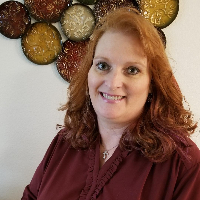
Robert Payne
LCSW
Attachment-informed LCSW offering steady support
- Stress, Anxiety
- Relationship
- Trauma and abuse
Attachment-based therapy directory
33 therapists based in Idaho name attachment-based therapy among the ways they work. Sessions are online; a therapist can usually only see people in the states where they hold a license, so check the license line on each profile.
Welcome to Attachment Therapists' directory for online therapists serving Idaho. All therapists listed here are licensed in Idaho.
Explore profiles to compare approaches, specialties, credentials, languages, and experience as you search for a therapist who fits your needs.
LCSW
Attachment-informed LCSW offering steady support
LCSW
Warm, experienced LCSW focused on relationships
LMFT
Practical, attachment-aware therapy for life challenges
LCPC
Calm, collaborative counseling for life transitions
LCSW
Compassionate support for anxiety and trauma recovery
LPC
Compassionate counselor who encourages real change
LPC
Therapist focused on relationships and coping skills
LCSW
Compassionate attachment-informed social worker
LCSW
Practical, flexible therapy for everyday life
LCMHC, LCPC
Helping people find clarity and steady progress
LPC
Helping people rebuild after addiction and loss
LCSW
Therapist focused on attachment and healing
LCSW
Experienced LCSW focusing on relationships and recovery
LCSW
Therapist focused on attachment and life changes
LCSW
Compassionate, practical care for life’s upheavals
LMFT
Compassionate therapist focused on attachment and relationships
LCSW
Practical, relationship-focused therapy for everyday challenges
LPC
Compassionate counselor blending attachment and practical tools
LICSW, LCSW
Practical, compassionate therapy for life challenges
LCPC
Calm, direct therapy for overwhelming patterns
LPC
Relationship-focused counselor using attachment principles
LCPC
Compassionate therapist helping people find steady ground
LCSW
Empathic, practical therapy for life’s hard moments
LCSW
Warm LCSW focused on attachment and practical skills
LCPC, LPC
Practical, relationship-focused counseling in Idaho
LCSW, LMHC
Experienced clinician focused on attachment and practical skills
LPC
Practical, relational therapy for stress and relationships
LMHC, LCPC
Compassionate, practical therapy focused on relationships
LCPC
Compassionate, practical therapy focused on attachment
Some links on this page are partner links. We will earn a commission if you sign up through one, at no cost to you. It does not change what you pay or the order of the listings.
Over the past several years, online therapy has become a mainstream option for people across Idaho, from the larger cities to remote rural communities. If you live in Idaho, you can expect to find licensed counselors, social workers, and marriage and family therapists who offer sessions by video or phone. Many therapists describe their practice focus, years of experience, clinical interests, and the therapeutic approaches they use. When you search listings you will encounter clinicians who list approaches such as cognitive behavioral therapy among their approaches, therapists who list EMDR among their approaches, and those who describe attachment-based or family systems perspectives. Each listing typically notes the types of concerns a therapist works with and the languages they speak. While not every therapist offers the same modes of online communication, the range of options means you can often find clinicians who match both the issues you want to address and the style of connection that feels most comfortable to you.
Because licensing and practice rules can vary by state, Idaho-licensed therapists adhere to regulations set by Idaho authorities for professional practice. That means therapists who indicate they are licensed in Idaho have met the state requirements for their credentialed title. Online therapy in Idaho may follow the same standards and ethical considerations that apply to in-person care, and therapists who work remotely are expected to maintain appropriate professional boundaries and record keeping. As you explore options, you will find profiles that emphasize different populations and age groups, and many therapists highlight experience with relationship issues, trauma, anxiety, depression, parenting, and life transitions.
Online therapy can offer several practical advantages for people living in Idaho, especially when geography or scheduling makes in-person visits difficult. You can connect with a therapist from your home, workplace, or another setting that supports privacy and focus. This flexibility can reduce travel time and allow you to build a therapy routine that fits your daily life. For people in rural areas or smaller towns where specialized mental health services are less available locally, online options expand access to clinicians who have experience with specific concerns or approaches. You may also find therapists who list multilingual services among their skills, which helps if you prefer to speak with someone in a language other than English.
Another benefit is the ability to match with a therapist whose clinical orientation aligns with your preferences. If you want a clinician who emphasizes attachment-focused work, look for profiles that highlight that focus. If you are interested in approaches like mindfulness-informed therapy or interpersonal therapy, search for therapists who list those approaches among their practices. Online formats can also support continuity of care if you relocate within the state or spend time away from your usual community. When you prepare for sessions, consider where you will sit, how you will manage interruptions, and what technology you will use so that each appointment feels as therapeutic as possible.
Online therapists in Idaho typically work with a wide range of life concerns and mental health challenges. Many people seek support for anxiety and worry, where therapists focus on coping skills, patterns of thought, and ways to manage stress in daily life. Depression and low mood are frequent reasons people reach out; therapists can offer space to explore patterns, build routines that support mood, and develop practical steps for change. Relationship struggles, whether between partners, within families, or across generations, are another common focus. Therapists often describe experience with communication challenges, boundary setting, and the dynamics that affect couple and family functioning.
People also look for help with trauma-related concerns, grief and loss, parenting challenges, life transitions, career stress, and issues related to identity. Some therapists emphasize work with adolescents and young adults, others with older adults or specific cultural communities. Because online therapy allows you to search broadly, you can find clinicians who list specialties that match your situation. Remember that a therapist’s profile is a starting point for conversation rather than a guarantee of outcomes. When you read listings, pay attention to the types of concerns a therapist highlights and any notes about the populations they typically work with, such as adults, adolescents, couples, or families.
Verifying a therapist’s license is an important step that helps you confirm their credential and standing with Idaho regulators. Start by locating the clinician’s full name and, if provided, their license number on their profile. Many state licensing authorities maintain an online license lookup where you can enter a name or license number to view the license type, issue and expiration dates, and whether any disciplinary actions are recorded. If you are unsure which board oversees a particular credential, you can search for Idaho state licensing boards for counselors, social workers, or marriage and family therapists and follow the links to their verification tools. If the online tool does not return results, you can contact the relevant board by phone or email to request confirmation; be prepared to provide the professional’s full name and the city where they practice.
When you check a license, look for the license class that corresponds to the clinician’s title, such as licensed professional counselor or licensed clinical social worker, and note the status - active, expired, or otherwise. Pay attention to the expiration date and any public records of disciplinary action, restrictions, or supervision requirements. Keep in mind that a listing of a therapeutic approach does not imply formal certification, so if a specific specialized credential is important to you, ask the therapist how they developed that approach and what supervision or continuing education they have pursued. Verifying licensure gives you factual information you can use in subsequent conversations about goals, ethics, and practice style.
Getting started with an online therapist in Idaho is a process you can steer at your own pace. Begin by clarifying what you hope to address in therapy, whether that is symptom relief, relationship work, parenting support, or exploration of personal patterns. Use the directory to filter for therapists whose profiles mention those concerns and the therapeutic approaches that interest you. When you find a few profiles that resonate, read their descriptions of experience and note any languages they speak and the populations they work with. Reach out to the clinics or clinicians using the contact methods they provide to request basic information about their approach and how they structure sessions. Use these early interactions to assess how comfortable you feel with their communication and whether their style matches what you imagined.
When you are choosing among therapists, consider several practical and relational factors. Reflect on credentials and licensure to ensure the clinician holds the appropriate Idaho credential for their title. Consider therapeutic approaches but remember that a therapist’s listed approaches are descriptions rather than guarantees of training level. Think about experience and whether the therapist notes work with people who share your background or the specific issues you want to address. Language and cultural responsiveness can be important, so look for clinicians who mention those skills if they matter to you. Also consider session logistics - whether the therapist uses video or phone sessions and whether they describe a typical session length - so that you can plan around your schedule. Finally, trust your sense of rapport; feeling heard and respected in early conversations is a strong indicator of whether a therapist will be a good match for your work together.
Taking these steps can help you make an informed choice as you pursue online therapy in Idaho. Approach the process with patience and curiosity, and allow room to change course if a particular match does not meet your needs. The directory is a tool to help you compare specialties, approaches, credentials, languages, and experience so that you can find a licensed therapist whose profile aligns with the support you want. If you are uncertain about next steps, consider reaching out to a few therapists to ask brief questions - those conversations often clarify which clinician will be the best fit for the work you want to do.