Attachment-based therapy directory
Therapists in Montana
33 therapists based in Montana name attachment-based therapy among the ways they work. Sessions are online; a therapist can usually only see people in the states where they hold a license, so check the license line on each profile.
Welcome to our directory of online therapists serving Montana. All therapists listed here are licensed in their field and list varied clinical approaches and specialties. Explore profiles to learn about therapists' focus areas, credentials and languages spoken.


Erica Tribble
LCSW
Practical, relationship-focused therapy
- Stress, Anxiety
- Relationship
- Trauma and abuse

Angela Whitecrane Widdicombe
LCSW, LMFT
Compassionate clinician focusing on connection
- Stress, Anxiety
- Addictions
- Relationship
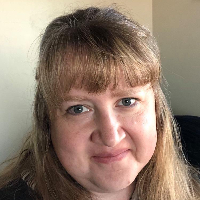
Lisa Johnson
LCPC
Compassionate counseling grounded in attachment
- Stress, Anxiety
- Trauma and abuse
- Grief

Paul Dokey
LCSW
Compassionate, practical therapy for life’s challenges
- Stress, Anxiety
- Addictions
- Relationship

Catherine Surovy
LPC, LCPC
Compassionate attachment-informed counseling
- Stress, Anxiety
- Relationship
- Family

Tonya Carpenter
LCSW
Compassionate, direct care for trauma and stress
- Stress, Anxiety
- Addictions
- Trauma and abuse

Richard Ingram-Hegenbart
LCPC
Practical, warm counseling for everyday struggles
- Stress, Anxiety
- Self esteem
- Career

Ashley Kingston
LCPC
Collaborative, practical therapy for everyday challenges
- Stress, Anxiety
- Relationship
- Trauma and abuse

Christopher Weber
LCSW
Attachment-informed LCSW focused on practical support
- Depression
- Coping with life changes
- Compassion fatigue

Darcie Kelly
LICSW, LCSW
Experienced, practical therapist focused on attachment and change
- Stress, Anxiety
- Trauma and abuse
- Eating

Diane Zimmerman
LCSW
Healing relationships and emotional resilience
- Relationship
- Family
- Trauma and abuse

Shirley Butler
LCSW
Experienced LCSW focused on attachment and healing
- Stress, Anxiety
- Trauma and abuse
- Self esteem


Kelly Gesker
LPCC, LPC
Compassionate, practical support for life’s hard moments
- Stress, Anxiety
- Family
- Grief

Cathy Christensen-Curry
LCSW
Calm, relationship-focused therapy for everyday struggles
- Stress, Anxiety
- Relationship
- Family


Joel Grinder
LCPC
Practical, steady support for anxiety and trauma recovery
- Stress, Anxiety
- Relationship
- Trauma and abuse

Kasey Anderson
LPC, LCPC
Compassionate counseling with practical tools
- Stress, Anxiety
- Relationship
- Family
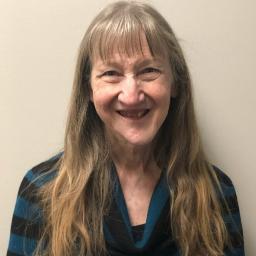
Karen Murphree
LCSW
Experienced LCSW blending creative and evidence-based care
- Stress, Anxiety
- Grief
- Self esteem

Tiffany Neuman
LCPC
Compassionate, practical therapy for real-life struggles
- Family
- Parenting
- Self esteem


Rachelle Eldred
LPCC, LCPC
Experienced counselor focused on attachment and recovery
- Stress, Anxiety
- Trauma and abuse
- Self esteem

Ashley Burns
LCPC
Practical, attachment-aware therapy in Montana
- Stress, Anxiety
- Relationship
- Parenting

Nancy Huus
LCSW
Experienced LCSW focused on attachment and coping
- Stress, Anxiety
- Trauma and abuse
- Grief

Wanda Jensen
LCSW
Attachment-informed LCSW helping people build practical skills
- Stress, Anxiety
- Trauma and abuse
- Parenting


Glenda Brauneis
LCPC
Attachment-focused counselor helping with mood and trauma
- LGBT
- Trauma and abuse
- Anger

Carleigh O'Brien
LCSW
Practical therapy that focuses on relationships and coping
- Stress, Anxiety
- Relationship
- Family

Morgan Sternhagen
LCPC
Practical support for stress and trauma recovery
- Stress, Anxiety
- Trauma and abuse
- Parenting

Alana Vosen
LCPC, LPC
Calm, practical care for attachment and anxiety issues
- Stress, Anxiety
- Relationship
- Trauma and abuse

Joseph Hansen
LCSW
Compassionate, practical therapy for everyday struggles
- Stress, Anxiety
- Self esteem
- Career

Nikki Lewis-Clark
LCPC
Compassionate, practical counseling for life changes
- Stress, Anxiety
- Relationship
- Family
Some links on this page are partner links. We will earn a commission if you sign up through one, at no cost to you. It does not change what you pay or the order of the listings.
Online therapy in Montana - an overview of what to expect
If you are exploring online therapy options in Montana, you will find that many licensed clinicians include remote sessions among the ways they work. Online therapy can take different forms - real-time video sessions, phone sessions, or text and messaging in some practices - and therapists often describe their typical session format and technology on their profile. When you read profiles you will see information about a clinician's education, licensure type, focus areas and the approaches they list as part of their work. Because regulations and professional practice evolve, therapists may highlight how they adapt their methods to online care and which populations they commonly support. That context can help you anticipate how a therapist might structure sessions and what to expect at intake and over ongoing work.
Many Montanans choose online therapy because it reduces travel time and offers more options for matching on language, cultural background and clinical focus. Rural communities and small towns in Montana vary widely in local resources, and online sessions can make it easier to connect with a therapist who emphasizes attachment-based work, trauma-informed approaches, family systems, or other specialties. As you browse, pay attention to the ways clinicians describe their experience with the populations you identify with, and to any notes about telehealth technology or session length that appear in profiles.
Benefits of online therapy for Montana residents
Online therapy can offer several practical benefits when you live in Montana. You may find that working remotely reduces commute time and lets you fit sessions into your schedule without driving long distances across rural areas. If you want to work with a clinician who speaks your language or has experience with a particular cultural background or life situation, online options increase the pool of therapists who could be a good match. For parents, students or people with demanding work hours, the flexibility of online sessions can make it easier to maintain consistent care.
Beyond logistics, many people notice that online therapy creates its own kind of comfort. You can arrange sessions in a familiar setting in your home or another quiet place, which can help you feel more at ease when discussing sensitive topics. Online formats also support continuity of care if you move within the state or travel temporarily. While online care may not be the right fit for every clinical situation, it is a widely used option that opens new possibilities for how you find and work with a therapist in Montana.
Common concerns and issues online therapists in Montana help address
Online therapists in Montana list a wide range of concerns they work with, and many profiles specify populations and life stages they focus on. You will commonly find clinicians who describe experience with anxiety, depression and stress-related concerns, relationship and family challenges, life transitions, grief and loss, and parenting support. Therapists often indicate when they work with trauma-related difficulties and attachment issues, and some list approaches that address relational patterns and emotional regulation.
People also seek online therapy for work-related stress, identity and minority stress, coping with chronic illness, and challenges in intimate partnerships. Family-focused clinicians may outline how they support parents, caregivers and blended families, while others describe work with adolescents and young adults navigating education and employment changes. When a therapist lists a clinical approach such as EMDR among their approaches, that indicates they include that method as part of their practice rather than serving as a statement about formal certification. Reading descriptions of focus areas and client populations will help you find clinicians whose experience aligns with the concerns you want to address.
How to verify a therapist's license in Montana
Verifying a therapist's license is an important step when you are considering online work. You can start by reading the licensure information that appears on a therapist's profile, which typically notes the type of license they hold and the state where it is issued. For independent confirmation, use the official state licensing resources. Most states provide an online license lookup tool where you can search by name or license number to confirm that the license is current and to view any public disciplinary history.
When you search, check that the license type matches the scope of services you are seeking, and note the license status and expiration date if that information is available. If you have questions about what a specific license allows or about state rules related to online practice, you can contact the state licensing board by phone or email to ask for guidance about licensing requirements and public records. Keeping a record of what you find during verification can be helpful, and you can raise any questions you have directly with a therapist during an initial conversation so you better understand their training background and professional oversight.
Getting started with an online therapist and choosing the right fit
First steps in reaching out
To begin, identify the factors that matter most to you in a therapeutic relationship - for example, a therapist's approach, years of clinical experience with specific concerns, language, cultural competence or whether they work with individuals, couples or families. Use search filters on directories to narrow options by these factors, then read profile summaries to learn how clinicians describe their work. When you reach out to a therapist, you can ask about their intake process, typical session length and how they structure remote sessions. Many therapists note what technology they use and whether they offer phone or video-only formats, which can help you choose a setup that works with your internet and devices.
Choosing based on approach, communication and practical matters
Beyond approach, consider how a therapist describes their communication style and therapeutic goals. Some clinicians emphasize a collaborative, skills-focused approach while others highlight relational exploration and attachment perspectives. If you value cultural understanding, look for clinicians who explicitly mention experience with your cultural background or with working across identities. Practical matters such as fees, insurance billing, and cancellation policies are important too. Ask about session fees and whether the therapist provides a receipt you can submit to your insurer or health savings account. If cost is a concern, you can inquire about sliding scale options though not all therapists offer them. These details can help you select a clinician whose services align with both your therapeutic needs and logistical preferences.
Assessing fit over time
Finding the right therapist often involves exploring the relationship over several sessions. Pay attention to how comfortable you feel discussing personal concerns, whether the therapist listens and reflects your experience, and whether their proposed plan aligns with your goals. It is reasonable to ask at any point how the therapist evaluates progress and how they adjust their approach if your needs change. If you are working across state lines within Montana, clarify how the clinician handles record keeping and follow-up. Choosing a therapist is a personal process, and taking time to find someone whose style and focus match your needs can make a meaningful difference in your experience.
Practical tips for a successful online therapy experience
To make the most of online therapy, prepare a comfortable setting for sessions where you can speak without interruptions and with a reliable internet connection or phone signal. Consider using headphones for clearer audio and to maintain a sense of focus. Before your first session, review any intake forms or paperwork the therapist provides and note questions you want to ask about goals, session structure and follow-up. If you rely on insurance, verify whether you will receive billing statements you can submit and what information will appear on those documents.
Keep in mind that therapy is a collaborative process; you can bring up concerns about the pace, methods or focus of the work at any time. If a therapist lists specific approaches among their methods, ask how those approaches are used in the online format and what you might expect from a session that uses them. Over time, practical adjustments - changing session frequency, length, or the mix of techniques used - are common and part of tailoring care to your needs. By combining careful search, verification of licensure, and clear conversations about expectations, you can find an online therapist in Montana who matches your goals and supports you in the work you want to do.