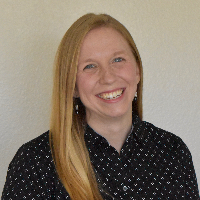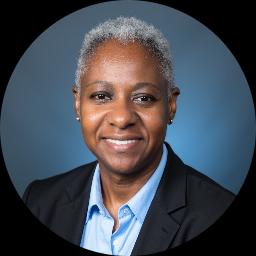
Tanya Smith
LPC
Compassionate counselor helping steady emotions and relationships
- Stress, Anxiety
- Trauma and abuse
- Anger
Attachment-based therapy directory
46 therapists based in South Carolina name attachment-based therapy among the ways they work. Sessions are online; a therapist can usually only see people in the states where they hold a license, so check the license line on each profile.
Welcome to our directory of online therapists serving South Carolina. All therapists listed here are licensed to practice, and you can explore profiles to compare approaches, focus areas, languages, and experience to find a good match.
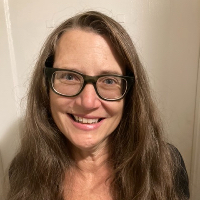
LPC
Compassionate counselor helping steady emotions and relationships
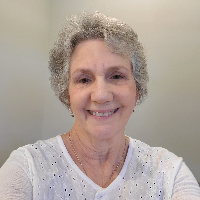
LPC
Compassionate counselor focused on relationships and coping skills
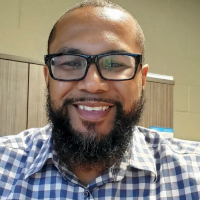
LPC
Compassionate care for attachment and life challenges
LMFT
Attachment-informed therapist for relationship and life changes
LMFT
Attachment-informed therapist focusing on practical change
LPC
Experienced counselor focusing on attachment and coping
LCSW, LISW-CP
Calm practical support for emotional struggles
Attachment-informed therapist for relationships and life changes
LPC
Attachment-focused counselor for trauma recovery
LPC
Compassionate, practical therapy for life changes
LISW-CP
Experienced attachment-informed therapist
LPC
Warm, relationship-focused counseling with practical tools
LMFT
Attachment-informed, practical support for relationships and parenting
LPC
Therapist focused on attachment and practical skills
LISW-CP
Compassionate, practical support for life transitions
LPC
Warm, practical counseling with attachment focus
LCSW, LISW-CP
Compassionate, direct support for life's hard moments
LPC
Compassionate counselor for life transitions
LISW-CP
Attachment-informed social worker with practical focus
LPC, LMHC
Compassionate practical support for change
LISW-CP
Compassionate clinician focused on attachment and action
LPC
Supportive counselor focused on attachment-informed care
LISW-CP
Experienced clinical social worker focused on attachment and healing
LPC
Supportive counselor focused on practical change
LPC
Compassionate counselor helping people build stronger connections
LPC
Compassionate counselor for life stress and trauma
LPC
Therapeutic partnership focused on attachment
LISW-CP, LCSW
Calm, direct support for relationship and anxiety struggles
LPC
Experienced counselor focused on relationships and coping
LPC
Attachment-informed counselor for relationship and life challenges
LCSW, LISW-CP
Calm, practical support for life’s hard moments
MD, LCSW-C, LISW
Experienced clinician focused on attachment and practical change
LISW-CP
Supportive therapist focusing on attachment and coping
LCSW, LISW
Compassionate guidance for steady emotional progress
LPC
Compassionate attachment-informed therapist
LPC
Compassionate counselor focused on attachment and change
LCSW, CSW, LISW
Experienced attachment-informed LCSW
LISW-CP, LCSW
Practical therapy that focuses on attachment and change
LISW-CP
Calm guidance for attachment and life challenges
LCSW, LISW-CP
Practical, compassionate therapy for relationship struggles
LCSW, LICSW
Experienced LCSW focusing on attachment and coping
LPC
Compassionate counselor focused on connection and practical change
Some links on this page are partner links. We will earn a commission if you sign up through one, at no cost to you. It does not change what you pay or the order of the listings.
If you are searching for online therapy in South Carolina you will find a range of licensed professionals offering teletherapy across the state. Many clinicians provide remote sessions that let you connect from urban centers, suburban neighborhoods, and rural towns without the need to travel long distances. The landscape of telehealth has continued to evolve since 2020, and in 2026 you will commonly see therapists describing a mix of video, phone, and brief messaging options as part of how they work. When reviewing profiles you will often find clear notes about the clinical focus and the approaches each therapist lists, which helps you narrow your search to people whose methods align with your needs.
Keep in mind that regulations and practice expectations sometimes vary by state and by license type. Therapists who list a particular therapeutic approach among their methods are indicating how they work, not a validated credential. It is helpful to look at the professional credentials shown on each profile and to read the therapist’s description to get a sense of whether their style matches what you are looking for.
Online therapy can make it easier for you to fit counseling into a busy schedule. Without a commute you can reclaim time that would otherwise be spent driving to an office, which can be especially beneficial if you live in a rural area where the nearest therapist might be far away. Remote sessions also allow you to choose clinicians who specialize in certain areas regardless of geographic distance, so you can prioritize a therapeutic approach, language match, or cultural understanding rather than being limited to local options.
Many people find that the comfort of attending sessions from a familiar setting helps them open up sooner, while others prefer a neutral environment outside their home. Teletherapy also supports continuity of care during life transitions such as moving, changes in work schedule, or medical events. If you rely on public transportation or juggle caregiving responsibilities, online sessions can reduce logistical barriers. You should consider practical factors like internet reliability, device quality, and a quiet room where you will not be interrupted so that the work you do in sessions is effective and focused.
Online therapists in South Carolina address a wide range of concerns across the lifespan. You can find clinicians who focus on relationship and attachment issues, interpersonal challenges, parenting stress, anxiety, depression, grief, and life transitions. Many therapists list experience working with trauma, though profiles will typically state which trauma-informed approaches they use rather than claiming certifications. For people navigating relationship difficulties, couples work and attachment-focused strategies are commonly offered through teletherapy.
Therapists also describe specialties such as adolescent and young adult issues, perinatal mental health, career and identity exploration, and behavioral concerns. If you are interested in particular methods you can look for profiles that note those approaches. For example, you may find therapists who list cognitive behavioral therapy among their approaches, therapists who list acceptance and commitment therapy among their approaches, or therapists who list EMDR among their approaches. Seeing which approaches are listed gives you a starting point for questions to ask when you reach out, and it helps you weigh whether a therapist’s way of working aligns with your preferences and goals.
Before you begin, it is sensible to confirm that a therapist holds an active license to practice. You can verify licensure through South Carolina’s official professional licensing board resources. Start with the licensing board website for the profession you are considering, such as counseling, clinical social work, or psychology, and use the license verification search to look up the clinician by name or license number. The verification tool will typically show the license status, expiration date, license type, and any public disciplinary actions recorded by the board.
When you review a license record pay attention to the exact license title and the status. Note whether the license is listed as active and whether there are any restrictions or public actions. If the therapist’s profile lists graduate degrees or supervised experience you can use that information alongside the licensing record to get a fuller picture. If anything on a profile seems inconsistent with the state record you can contact the licensing board for clarification. Boards can also answer procedural questions about scope of practice and rules related to teletherapy across state lines.
Many states have rules about providing care to people located within state boundaries. You should be aware that in many cases a therapist needs to hold a license where you are located in order to offer ongoing therapy. If you are considering someone who lives out of state, ask them directly about how they handle jurisdictional requirements and how that may affect your sessions.
Begin by clarifying what you want to address in therapy and which logistics matter most to you. Think about whether you want a therapist who emphasizes attachment-based work, whether language or cultural background is important, and which session format - video, phone, or messaging - you prefer. When you review a profile note the clinician’s stated focus areas and approaches and compile a short list of candidates who seem like a good fit. Prepare a few questions to ask when you contact a therapist, such as how they approach goals, what a typical session looks like, and how they handle sessions if a crisis arises between meetings.
You will want to confirm practical details before your first session. Ask about fees, payment methods, insurance or reimbursement policies, cancellation and rescheduling terms, and whether they offer sliding scale options. For technology, make sure your device, camera, microphone, and internet connection support stable video sessions. Choose a quiet personal room where you can speak freely and minimize interruptions. Ask the clinician about the platform they use and how they handle data protection and privacy. Most therapists will provide a consent form that explains these matters - take time to read that document and raise any questions you have.
Selecting a therapist is a personal decision and you should prioritize what matters most to you. If attachment concerns are central to your work, you may prefer a clinician who emphasizes attachment-based approaches in their profile. If you value a structured approach, look for therapists who list methods that resonate with your preference, and if you want exploratory work, choose someone who describes a reflective or relational style. Experience with certain populations - teens, parents, couples, or older adults - is relevant if your situation aligns with that population.
Credentials and licenses tell you about formal qualifications, but the therapeutic match depends on rapport, communication style, and shared understanding. When you contact a therapist notice whether their responses feel respectful and clear, and whether their way of explaining things resonates with you. Think about practical matters such as session length, frequency, and whether you prefer shorter or longer sessions. Language preferences and cultural competency are important for many people, so seek clinicians who mention relevant experience or language skills if those factors matter to you.
It is normal to try a few therapists before you find the best fit. Once you begin work, pay attention to whether your sessions feel purposeful and whether you and the therapist are aligned on goals and methods. You can ask for a brief review conversation after a few sessions to talk about progress and next steps. If something does not feel right, it is acceptable to look for a different clinician whose approach and style better match your needs. Your comfort, clarity about goals, and confidence in how the work will proceed are important markers of a productive therapeutic relationship.
Finding online therapy in South Carolina involves a mix of practical checks and personal preferences. Use the directory to compare profiles, verify licensure through state resources, and prepare questions that matter to you. With thoughtful steps you can identify a therapist whose approach, experience, and communication style align with your goals and begin the work of attachment-focused and other clinical support from a setting that fits your life.