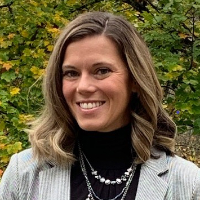
Shaa Marcum
LICSW
Compassionate clinician guiding practical change
- Stress, Anxiety
- Addictions
- Trauma and abuse
Attachment-based therapy directory
14 therapists based in West Virginia name attachment-based therapy among the ways they work. Sessions are online; a therapist can usually only see people in the states where they hold a license, so check the license line on each profile.
Welcome to Attachment Therapists' directory for online therapists serving West Virginia. All therapists listed are licensed to practice.
Explore profiles to learn about approaches, credentials, areas of focus, and languages to find a good match for your needs.
LICSW
Compassionate clinician guiding practical change
LPC
Compassionate, practical therapy for life challenges
LPC
Calm, practical therapy focused on relationships
LICSW
Hope-centered therapist focused on attachment and skills
LPC
Practical, relationship-focused counseling for everyday stress
LPC
Compassionate counselor focused on attachment healing
LPC
Warm, practical counseling focused on connection
LPC
Attachment-focused counselor helping with stress and trauma
LPC
Compassionate attachment-focused counseling
LISW, LICSW
Compassionate, practical therapy for real-life struggles
LCSW
Compassionate, practical help for life and relationships
LICSW, LCSW
Compassionate, practical support for relationship and trauma concerns
Some links on this page are partner links. We will earn a commission if you sign up through one, at no cost to you. It does not change what you pay or the order of the listings.
If you are considering online therapy in West Virginia you are joining many people who use remote counseling to fit care into busy lives and to reach clinicians beyond their immediate neighborhood. In recent years the range of services offered remotely has expanded, allowing you to connect with therapists who list a variety of approaches and who work with different populations. Depending on the clinician you choose, sessions may take place by video, phone, or text-based messaging; each format has different strengths and may suit particular needs and schedules.
When you search for a therapist who serves West Virginia, you will encounter clinicians with titles such as licensed professional counselor, licensed clinical social worker, licensed marriage and family therapist, and psychologist. Each license indicates a particular educational path and regulatory board. Because rules about telepractice vary across professions and states, therapists who offer online sessions to West Virginia residents should hold a license that authorizes them to practice in the state. That makes it possible for you to receive care that aligns with state requirements for licensing and scope of practice.
Most therapists begin with an intake conversation to understand your goals and how they work. You can expect a conversational first session in which you and the therapist review concerns, discuss information-sharing boundaries practices, and agree on practical matters such as session length and frequency. If you prefer a particular therapeutic approach, look for therapists who list that approach among their methods so you can ask how they apply it in remote work. Online therapy can be similar to in-person work in technique and structure while offering additional logistical flexibility.
One of the clearest advantages of online therapy is access. If you live in a rural community or an area with fewer local clinicians, remote sessions let you reach therapists who may have experience with the issues you face. You can also connect with therapists who speak your language or who specialize in working with specific populations, which can make it easier to find a clinician who understands your background and preferences.
Online therapy also reduces travel time and allows you to fit care around your day. For people balancing work, school, caregiving, or health limitations, being able to join a session from home or from another place you choose can make it simpler to maintain continuity. If maintaining privacy around attending therapy is important, you can conduct sessions from a quiet space where interruptions are minimal. Finally, remote therapy can support continuity when life circumstances change - for example, when you move within the state or travel for work - because your treatment relationship can continue without needing a new commute.
You can find online therapists who work with a wide range of concerns. Many people seek remote counseling for anxiety, depression, grief, relationship distress, parenting challenges, and life transitions. Therapists often work with trauma-related issues and attachment challenges, helping you understand patterns in relationships and develop new ways of relating. If you are parenting a child or teen, you can connect with clinicians who have experience supporting caregivers and families through behavior concerns, school-related stress, and developmental transitions.
Treatment focus varies by clinician. Some therapists emphasize brief, skills-based approaches for managing symptoms, while others focus on longer-term relational and attachment work. You may see therapists who list EMDR among their approaches, those who describe psychodynamic or attachment-focused work, and others who note cognitive-behavioral techniques. Because the description of an approach on a profile is not proof of certification, you can use that information as a starting point for questions about how a therapist applies particular methods in remote sessions.
Verifying a therapist's license is an important step before beginning therapy. You should look for a license type and number on a clinician's profile or professional page, and then use the West Virginia state licensing board's public lookup tools to confirm current status. The lookup typically shows whether a license is active, the license type, expiration dates, and any public disciplinary actions. If a profile lists a credential you do not recognize, you can search by name on the licensing board site or contact the board directly for clarification.
Keep in mind that licensure rules differ by profession. A clinician licensed in another state may not be authorized to provide ongoing care to someone located in West Virginia unless they meet specific licensure or temporary practice requirements. If you are geographically in West Virginia during sessions, confirm that the therapist holds the appropriate authorization to practice in the state. If you have questions about scope of practice, record keeping, or the board's complaint process, the state licensing board can provide authoritative guidance.
Getting started begins with clarifying your goals. Think about what you want to address - symptom relief, relationship change, parenting support, or exploration of past experiences that shape present behavior. Use those goals to guide your search by reading profiles for focus areas and experience. When you review listings, compare focus areas, approaches, credentials, languages, and overall experience. These elements give you a sense of whether a therapist's style and background align with what you need.
When you contact a therapist, you can ask practical questions about session length, typical treatment methods, and how they adapt approaches to remote work. It is reasonable to ask whether they work with your age group, cultural background, or specific challenges. You may want to inquire how they handle emergencies when sessions are remote and what resources they recommend between sessions. For the technical side, choose a quiet, quiet space for sessions, test your internet connection beforehand, and let the therapist know if you have preferences for video, phone, or messaging.
Trust your sense of fit. A strong working relationship often depends on how comfortable you feel discussing sensitive topics and whether the therapist's communication style matches your needs. If something does not feel right after a few sessions, it's acceptable to seek another clinician whose approach resonates more with you. The directory is meant to help you discover therapists who match your priorities so you can begin a process that feels purposeful and respectful of your goals.