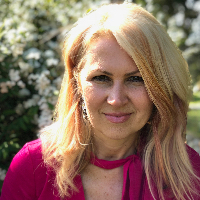
Alina Ghitea, LMFT
Therapist in Florida
Alina Ghitea is a licensed marriage and family therapist (LMFT) based in Florida who uses attachment-based ideas to guide her work.
- Licensed inFlorida
- LicenseMT4867
- NPI 1932509619
- Experience6+ years
- LanguagesEnglish
Details are as listed on the therapist's public professional profile. You can check any license with the state board and any NPI with the national registry.
About Alina
Alina Ghitea is a licensed marriage and family therapist (LMFT) based in Florida who uses attachment-based ideas to guide her work. She takes a calm, steady approach and focuses on what people need right now. Sessions aim to make relationships feel more manageable and to reduce overwhelming emotions.
Alina mixes attachment-based thinking with client-centered and cognitive-behavioral methods. That means conversations look at how early patterns shape current relationships, while also practicing new ways of coping.
Background and approach
She uses clear, practical tools people can try between sessions. She helps with a wide range of problems including stress, anxiety, depression, mood disorders, and panic attacks. Relationship and intimacy concerns are a common focus, along with family of origin issues, communication problems, and codependency.
She also addresses grief, trauma and abuse, and challenges tied to adoption and foster care. Alina supports people dealing with parenting strain, fatherhood issues, career shifts, and the burnout that comes from caregiving or demanding work. She also works with ADHD-related struggles, isolation and social anxiety, and cultural or immigration questions.
Her style is practical and steady. With six years of clinical experience, Alina aims to help people build safer connections and manage hard feelings. Sessions are offered in English and provided through video calls, phone sessions, live chat, or text-based messaging.
She practices in Florida as an LMFT and structures therapy around each person’s goals.
Credentials
- LMFT (Florida)
- License MT4867 · expires March 2027
- NPI
- 1932509619 · national provider identifier
Both are public records. A state board register will confirm a license and its standing, and the national registry will confirm an NPI. This directory copies what the therapist lists and checks neither.
Focus areas and approaches
Everything Alina lists on their public professional profile, in their own terms.
- Stress, Anxiety
- Relationship issues
- Intimacy-related issues
- Self esteem
- Depression
- Family conflicts
- Trauma and abuse
- Grief
- Parenting issues
- Anger management
- Career difficulties
- Bipolar disorder
- Coping with life changes
- Compassion fatigue
- ADHD
- Adoption and foster care
- Codependency
- Communication problems
- Family of origin issues
- Family problems
- Fatherhood issues
- Forgiveness
- Guilt and shame
- Immigration issues
- Isolation / loneliness
- Life purpose
- Mood disorders
- Multicultural concerns
- Panic disorder and panic attacks
- Social anxiety and phobia
- Women's issues
- Young adult issues
Approaches Alina names
- Attachment-Based Therapy
- Client-Centered Therapy
- Cognitive Behavioral Therapy (CBT)
- Dialectical Behavior Therapy (DBT)
- Emotionally-Focused Therapy (EFT)
- Existential Therapy
- Gottman Method
- Imago Relationship Therapy
- Psychodynamic Therapy
- Solution-Focused Therapy
Naming an approach is not evidence of training in it. This directory copies what each therapist lists and does not check training records.
Online support
How attachment and practical therapies work online
Attachment-based work looks at how early relationship patterns show up now and helps people recognize what they need in close bonds. It focuses on feeling understood and on changing patterns that cause frequent conflict or isolation. Client-centered therapy centers the conversation on the client’s experience, using empathy and reflection to help people make sense of their feelings and decide what matters most.Finding the best approach is a collaborative process. The therapist will listen to goals and try different techniques to see what fits. Together they’ll choose methods that match the client’s needs, whether that means exploring relationship patterns, learning new coping strategies, or practicing emotional skills.
Online formats make it easier to fit therapy into busy lives. Video calls let people see facial cues and hold longer sessions. Phone sessions can require less bandwidth and work well for quick check-ins or when being on camera is hard. Live chat and text-based messaging offer brief, flexible ways to share between sessions or to check in during a stressful day. These options help maintain continuity of care while offering more scheduling flexibility for everyday life.
We will earn a commission if you sign up through our link, at no cost to you. It does not change what you pay or the order of the listings.
Frequently asked
What kinds of problems does she address?
She works with stress, anxiety, depression, panic, mood disorders, and relationship or intimacy concerns. Other focuses include trauma and abuse, grief, parenting and career transitions.
What is her therapy style like?
Her style is warm and steady, combining attachment-based ideas with client-centered and cognitive-behavioral approaches. Sessions focus on understanding relationship patterns and practicing concrete coping skills.
How much clinical experience does she have?
She has six years of experience working as a mental health professional. That experience includes supporting people with anxiety, depression, relationship issues, and life changes.
What credentials and location are listed?
She holds the LMFT credential and practices in Florida as an LMFT.
Which languages are supported and are international sessions available?
Sessions are offered in English. International clients are not currently accepted.
What session formats are offered?
Therapy is available by video calls, phone sessions, live chat, or text-based messaging to fit different needs and schedules.
How is cost handled?
Cost varies with location and therapist availability. Sessions use a subscription model that can be canceled at any time.
What are the first steps to begin therapy?
To begin, select the Start Therapy button, complete a short matching questionnaire, and schedule sessions based on the therapist’s availability.
More therapists in Florida
See all
Elizabeth Carter
LMHC
Practical support for stress and attachment
- Stress, Anxiety
- Trauma and abuse
- Parenting

Sophia Mas
LMHC
Compassionate counselor focused on attachment and coping
- Stress, Anxiety
- Relationship
- Family

Tomeccia Maxwell
LMHC
Skilled guide for stress, relationships, and healing
- Stress, Anxiety
- Relationship
- Family
Is this your profile?
Ask us to correct details or take the page down.
Contact us