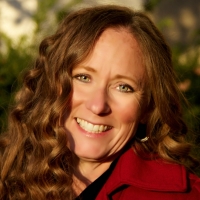
Catherine Lorino, LSCSW, LCSW
Therapist in Kansas
Catherine Lorino is a licensed clinical social worker who uses attachment-based ideas to help people understand relationships and emotional patterns.
- Licensed inKansas, Missouri
- LicenseLSCSW 2338, 2019035021
- NPI 1922294545
- Experience30+ years
- LanguagesEnglish
Details are as listed on the therapist's public professional profile. You can check any license with the state board and any NPI with the national registry.
About Catherine
Catherine Lorino is a licensed clinical social worker who uses attachment-based ideas to help people understand relationships and emotional patterns. She draws on three decades of practice to guide straightforward, practical work. Catherine writes and listens in ways that help clients name feelings and try new ways of responding.
She blends Attachment-Based Therapy with acceptance and cognitive tools to address stress, anxiety, depression, and mood disorders. Sessions focus on clear goals such as better communication, managing strong emotions, or coping with life transitions.
Background and approach
Catherine also works with issues like grief, trauma and abuse, addictions, and sleep or eating struggles. Her background includes community mental health, special education, and service in the United States Army. That variety informs how she assesses needs and tailors plans.
She has experience creating data-based programs for students with disabilities and consulting with school teams. Catherine teaches and trains others on crisis prevention and youth mental health. She has served as a guest speaker at universities and community training events.
Those roles shape how she explains skills and practices in clear, usable steps. Outside of practice she is focused on family life and veterans' causes. She is a mother and understands the pressures parents face during milestones and busy seasons.
Her style is collaborative, calm, and goal-oriented, aiming to help people make concrete changes that fit their daily lives.
Credentials
- LSCSW (Kansas)
- License LSCSW 2338 · expires November 2027
- LCSW (Missouri)
- License 2019035021 · expires September 2026
- NPI
- 1922294545 · national provider identifier
Both are public records. A state board register will confirm a license and its standing, and the national registry will confirm an NPI. This directory copies what the therapist lists and checks neither.
Focus areas and approaches
Everything Catherine lists on their public professional profile, in their own terms.
- Stress, Anxiety
- Relationship issues
- Family conflicts
- Parenting issues
- Addictions
- Trauma and abuse
- Eating disorders
- Sleeping disorders
- Anger management
- Self esteem
- Career difficulties
- Bipolar disorder
- Depression
- Autism and Asperger Syndrome
- Codependency
- Commitment issues
- Communication problems
- Divorce and separation
- Family of origin issues
- Family problems
- First responder issues
- Guilt and shame
- Infidelity
- Isolation / loneliness
- Life purpose
- Midlife crisis
- Veteran and Armed Forces Issues
- Mood disorders
- Post-traumatic stress
- Self-love
- Social anxiety and phobia
- Women's issues
- Young adult issues
Approaches Catherine names
- Attachment-Based Therapy
- Acceptance and Commitment Therapy (ACT)
- Cognitive Behavioral Therapy (CBT)
- Dialectical Behavior Therapy (DBT)
- Gottman Method
- Mindfulness Therapy
- Motivational Interviewing
- Narrative Therapy
- Solution-Focused Therapy
Naming an approach is not evidence of training in it. This directory copies what each therapist lists and does not check training records.
Online support
Attachment and evidence-based approaches online
Catherine often combines Attachment-Based Therapy with Acceptance and Commitment Therapy and Cognitive Behavioral Therapy. Attachment-based work looks at how past relationship patterns shape current reactions and helps people find different ways to connect and regulate emotions. Acceptance and Commitment Therapy (ACT) focuses on clarifying personal values and building small actions that align with those values while learning to live with difficult thoughts and feelings. Cognitive Behavioral Therapy (CBT) helps identify unhelpful thoughts and habits and replace them with more useful thinking and behavior patterns. Finding the right approach is a team effort. The therapist will discuss symptoms, life goals, and everyday routines to determine which methods fit best. Clients are invited to try different tools and give feedback so the plan can be adjusted over time. Online sessions are offered via video calls, phone, live chat, or text-based messaging to increase flexibility. Video calls are useful for face-to-face conversation and skill practice, while phone sessions can fit a short break at work or lower bandwidth situations. Live chat and messaging suit quick check-ins, mood tracking, or ongoing support between longer sessions. These options make it easier to keep a steady routine and apply new skills in real life.We will earn a commission if you sign up through our link, at no cost to you. It does not change what you pay or the order of the listings.
Frequently asked
What kinds of concerns can Catherine help with?
She helps people address stress, anxiety, depression, mood disorders, and relationship problems. Additional focuses include parenting strain, trauma and abuse, addictions, sleep and eating issues, and self-esteem.
How would you describe her therapeutic style?
Her work combines attachment-based ideas with Acceptance and Commitment Therapy and Cognitive Behavioral Therapy. Sessions are practical and goal-focused, aiming to change patterns and improve daily coping.
What is her professional background?
She brings 30 years of experience including roles in community mental health, special education, and the United States Army. She also provides training on crisis prevention and youth mental health.
What are her credentials and where is she based?
Catherine holds KS LSCSW and MO LCSW credentials and practices from Kansas. These credentials indicate her clinical social work licensure in those states.
Which languages are supported for sessions?
Sessions are offered in English and she is also open to working with international clients.
In what formats are sessions offered?
Sessions can be scheduled as video calls, phone sessions, live chat, or through text-based messaging. Multiple formats make it easier to match session type to a person's needs and schedule.
How are costs and billing handled?
Cost varies with location and therapist availability and sessions use a subscription model. That subscription can be canceled at any time.
What should I do to get started?
Begin by selecting the Start Therapy button and completing a short matching questionnaire. After that, schedule sessions according to therapist availability.
More therapists in Kansas
See all
Kris Rice
LSCSW
Compassionate, experienced Kansas social worker
- Stress, Anxiety
- Relationship
- Trauma and abuse

Jacqueline "Jackie" Pattison
LCPC
Compassionate therapy for life changes and relationships
- Stress, Anxiety
- Relationship
- Family
Is this your profile?
Ask us to correct details or take the page down.
Contact us