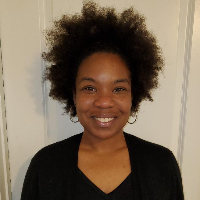
Ka'Tora Dunn
LPCC, LPC
Compassionate therapist focused on relationships and growth
- Stress, Anxiety
- Relationship
- Family
Attachment-based therapy directory
954 therapists list first responder issues among the things they work with. All offer sessions online, and every profile shows the registering body, the membership number and when it runs to.
This directory highlights therapists who focus on first responder issues, including trauma reactions, occupational stress, and impacts on relationships. Browse the listings below to explore practitioners' approaches, credentials, languages, and focus areas for this specialty.
LPCC, LPC
Compassionate therapist focused on relationships and growth
LIMFT, LPCC
Practical, relational therapy for everyday struggles
LPC, LPCC
Practical, attachment-aware counseling for life changes
LMHC
Practical support for stress and attachment
LPC, LPCC
Gentle, practical help for deep emotional work
LMHC
Compassionate counselor focused on attachment and coping
LMHC, LCPC
Practical support for stress and life change
MD, LCPC
Compassionate, focused relationship and life counseling
LCSW
Practical, warm therapy for attachment and stress
LPC
Healing attachment and building coping skills
LMHC
Calm, practical support for lasting change
LCMHC
Support for stress, loss, and relationship strain
LCSW, LCSW-R
Compassionate support for emotional recovery
LCSW
Attachment-focused therapist helping with anxiety and trauma
LPC
Grounded, practical counseling for overwhelmed adults
LCSW
Supportive social worker focused on relationships and coping
LCPC
Compassionate therapist for clearer self-talk
LMSW
Attachment-informed social worker focused on life changes
LPC
Experienced counselor focused on relationships and healing
LMHC
Experienced attachment-informed counselor
LMHC
Compassionate LMHC focusing on attachment and connection
LPC
Compassionate counselor focused on attachment and recovery
LPC
Therapist offering steady, compassionate support
LMHC
Compassionate counselor blending attachment and practical skills
LPC
Experienced counselor focused on connection and coping
LPC
Practical, empathetic support for stressful times
LPCC
Helping people rebuild stable relationships and coping skills
MD, LCSW-C, LCSW
Experienced clinician combining medical and social work perspectives
LMFT, LCMFT
Relationship healing and boundary building
LICSW
Compassionate clinician guiding practical change
LCPC
Attachment-informed counselor with practical tools
LPC
Helping people reframe relationships and reactions
LCSW
Seasoned LCSW helping with life transitions
LPC-MHSP
Therapist focused on real-life change
LCMHC
Compassionate counselor focused on attachment and recovery
LPC
Compassionate counselor helping steady emotions and relationships
LMHC
Experienced counselor focused on attachment and practical skills
LPC
Compassionate counselor focused on practical growth
LCMHC
Practical support for relationship and life struggles
LPC
Compassionate therapist helping people build stable connections
LMHC
Steady, practical therapy focused on attachment and values
LCSW
Compassionate LCSW focused on attachment and healing
LPC
Compassionate counselor blending mind and body care
LICSW
Compassionate, experienced therapist focused on relationships
LPC
Compassionate counselor combining practical skills and attachment work
Some links on this page are partner links. We will earn a commission if you sign up through one, at no cost to you. It does not change what you pay or the order of the listings.
First responder issues refer to the emotional, psychological, and relational challenges that can emerge from work in emergency services and related fields. People in these roles are routinely exposed to high-stakes incidents, human suffering, and sudden upheavals. Over time, repeated exposure to traumatic events, shift work, and the pressure to perform can influence mood, sleep, interpersonal functioning, and sense of purpose. The effects are not limited to dramatic reactions after a single incident. They can accumulate into patterns of intrusive memories, hypervigilance, numbing, irritability, and difficulties connecting with friends and family.
These concerns often intersect with occupational demands. Long hours, unpredictable schedules, and the culture within some agencies may make it harder to process distress or ask for help. You may notice changes in your own coping - turning to alcohol or isolation, becoming emotionally distant, or feeling perpetually on edge. Family members and partners can also experience strain when a responder is less available emotionally or physically due to work demands. Understanding these dynamics is the first step toward finding approaches that help you restore balance and resilience.
Therapy can be useful when work-related stress starts to interfere with how you feel, think, and relate to others. You might find yourself replaying scenes from calls or incidents during free moments, or you may avoid reminders of a traumatic event. Sleep problems and sudden mood shifts are frequent concerns. Some people notice a diminished interest in activities they once enjoyed or a growing sense of cynicism about their work. Relationship conflicts, whether with a partner, family, or colleagues, can be a sign that occupational stress is spilling into personal life.
Physical symptoms can also be an important signal. Chronic headaches, unexplained aches, stomach issues, or an increased number of sick days can mirror persistent stress. If your concentration is affected at work, or if you are making decisions differently because of fear or fatigue, these are practical signs to explore therapy. You do not need to be experiencing a crisis to benefit from talking with a therapist. Early support can help you develop coping strategies, process difficult experiences, and prevent longer-term difficulties.
Therapy for first responder issues often begins with an assessment of what is most pressing for you right now - symptoms, relationships, work performance, or overall quality of life. In the first few sessions, a therapist will typically ask about your history, current stressors, and any strategies you have already tried. This process helps shape a collaborative treatment plan with clear goals. Your plan may prioritize symptom reduction, improved sleep and concentration, strengthened relationships, or better management of work-related triggers.
Sessions may combine practical skills with opportunities to process difficult experiences. You might practice grounding techniques to manage anxiety in the moment, explore patterns of thought that maintain distress, or work on communication skills to address relationship strain. Many people find it helpful when a therapist understands the culture and demands of emergency work, though therapists vary in their backgrounds. Therapy is often paced according to your needs - some people want structured, skills-focused work, while others prefer a space to narrate and make meaning of experiences. Progress can include fewer intrusive memories, improved coping during stressful shifts, and more satisfying personal relationships.
There are a range of approaches that therapists may use when working with first responders. Cognitive-behavioral approaches aim to identify and shift thought patterns and behaviors that contribute to distress, equipping you with concrete strategies for managing symptoms. Exposure-based techniques may be used carefully to process traumatic memories in a controlled setting. Some therapists incorporate mindfulness and stress reduction practices to help with emotional regulation and sleep. Somatic-focused methods that attend to the body's responses to stress are also commonly listed among approaches for people with trauma histories.
When reading therapist profiles, you will often see practitioners list specific approaches such as cognitive-behavioral therapy, mindfulness-based strategies, or somatic methods. It is common to find therapists who list trauma-focused approaches among their modalities, or who include couple or family work to address relational impacts. Remember that a therapist listing an approach does not guarantee a particular credential; rather, it signals one of the ways they work. A good match often comes down to how the therapist adapts these methods to your circumstances and how comfortable you feel discussing work-related stress with them.
Online therapy can offer flexibility that aligns with irregular schedules and shift work. Sessions are typically conducted by video or phone, allowing you to connect from home or another personal, comfortable environment. Some therapists offer shorter or flexible appointment times to accommodate nontraditional hours. When you choose online therapy, it is helpful to consider the technical set-up - a clear connection, a quiet location, and a plan for emergencies are practical pieces to sort out before starting. You may also want to ask how a therapist handles boundaries around work-related messages and urgent concerns, so expectations are clear from the outset.
Choosing the right therapist for first responder issues involves looking beyond a headline. Consider reading profiles to learn about practitioners' stated focus areas, approaches, and any populations or languages they list. Think about whether you prefer a therapist who emphasizes skills and coping tools or one who centers on processing and meaning-making. If relationship strain is a major concern, look for therapists who list work with partners or families among their approaches. You may also find it helpful to identify therapists who mention familiarity with occupational cultures similar to yours, while keeping in mind that familiarity is not the same as formal credentialing.
When comparing options, reflect on practical fit as well as style. Consider whether you want a therapist who lists crisis management or stabilization strategies, as well as whether you prefer a collaborative, directive, or exploratory stance. Trust your instincts about how a therapist communicates in their profile and initial messages. It is reasonable to ask about their experience working with occupational stress, what a typical session looks like, and how they support clients between sessions. Over time, the relationship you build with a therapist is often one of the strongest predictors of helpful outcomes, because it shapes how comfortable you feel bringing difficult material into sessions and trying new strategies in your daily life.
If you are exploring therapy, remember that seeking help is a practical step toward managing work-related stress and improving well-being. Whether you choose in-person or online sessions, the aim is to find an approach that fits your needs, schedule, and style. The listings on this page are a starting point to explore different practitioners and the ways they describe their work with first responder issues. Taking time to review profiles, read about approaches, and reflect on what matters most to you can help you find a therapist who is a constructive partner as you navigate the demands of emergency work and its personal impacts.