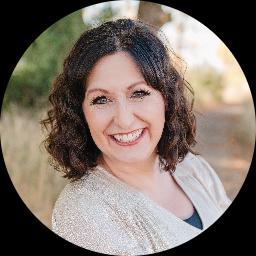
Connie Winn, LCSW
Therapist in Utah
Connie Winn is a Licensed Clinical Social Worker (LCSW) based in Utah who helps people facing stress, anxiety, trauma, grief, and life transitions.
- Licensed inUtah
- License9816341-3501
- NPI 1083016216
- Experience8+ years
- LanguagesEnglish
Details are as listed on the therapist's public professional profile. You can check any license with the state board and any NPI with the national registry.
About Connie
Connie Winn is a Licensed Clinical Social Worker (LCSW) based in Utah who helps people facing stress, anxiety, trauma, grief, and life transitions. She focuses on practical steps that make daily life feel more manageable. Connie speaks in straightforward terms and aims to create a calm, steady space for people to talk through hard things.
Connie blends attachment-based ideas with other therapy approaches to match each person’s needs. Sessions often include talking through current struggles, noticing patterns from early relationships, and practicing new ways to respond.
Background and approach
She uses skills to manage intense emotions and tools for changing unhelpful thinking and behavior. Her approach is collaborative and paced to each person. People can expect clear goals, gentle challenges, and concrete coping strategies.
When trauma and grief are central, Connie uses focused methods to help process painful memories and regain daily functioning. Connie has eight years of clinical experience as an LCSW in Utah. She draws on that background to help people sort priorities, rebuild routines, and regain energy for meaningful activities.
Her style balances warmth with practical skill-building. Outside of work she values family time, being outdoors, and staying active. That perspective informs a grounded, human approach in sessions.
If someone wants steady support for anxiety, low mood, parenting stress, or recovering from loss, Connie offers a clear, structured path forward.
Credentials
- LCSW (Utah)
- License 9816341-3501 · expires September 2026
- NPI
- 1083016216 · national provider identifier
Both are public records. A state board register will confirm a license and its standing, and the national registry will confirm an NPI. This directory copies what the therapist lists and checks neither.
Focus areas and approaches
Everything Connie lists on their public professional profile, in their own terms.
- Stress, Anxiety
- Trauma and abuse
- Grief
- Family conflicts
- Parenting issues
- Self esteem
- Career difficulties
- Depression
- Coping with life changes
- Body image
- Communication problems
- Control issues
- Emptiness
- Family of origin issues
- Family problems
- Guilt and shame
- Impulsivity
- Life purpose
- Panic disorder and panic attacks
- Post-traumatic stress
- Self-harm
- Self-love
- Social anxiety and phobia
- Women's issues
- Workplace issues
- Young adult issues
Approaches Connie names
- Attachment-Based Therapy
- Acceptance and Commitment Therapy (ACT)
- Client-Centered Therapy
- Cognitive Behavioral Therapy (CBT)
- Dialectical Behavior Therapy (DBT)
- Eye Movement Desensitization and Reprocessing (EMDR)
- Somatic Therapy
- Trauma-Focused Therapy
- Internal Family Systems
Naming an approach is not evidence of training in it. This directory copies what each therapist lists and does not check training records.
Online support
How these approaches translate to online therapy
Attachment-Based Therapy looks at how early relationships shaped current patterns. Online sessions use conversations and reflective exercises to identify attachment needs and try new ways of relating to thoughts and feelings. Acceptance and Commitment Therapy, or ACT, focuses on clarifying values and taking small committed actions. In remote sessions this often means setting simple experiments between meetings and checking progress over chat or video. Client-Centered Therapy centers the person’s experience and uses empathic listening to help people feel heard and make their own changes; that listening translates well to video and phone sessions where the therapist follows the client’s lead.Choosing the right approach is part of the work. The therapist will talk with each person about their goals, preferences, and what feels most useful. Together they decide whether attachment ideas, ACT work, or client-centered conversations will be the main focus, and they adapt methods as progress is made.
Online formats include video calls, phone sessions, live chat, and text messaging. Video is useful for face-to-face conversation and skill practice. Phone sessions can fit a break at work or be easier when bandwidth is limited. Live chat and text are helpful for short check-ins, on-the-spot coping tools, or when writing feels easier than speaking. These options make therapy more flexible and help people keep momentum between sessions.
We will earn a commission if you sign up through our link, at no cost to you. It does not change what you pay or the order of the listings.
Frequently asked
What concerns does she commonly address?
She helps people with stress, anxiety, depression, trauma and abuse, grief, family and parenting strain, self esteem, career issues, and coping with life changes.
What is her therapy style like?
Her style is collaborative and practical, with clear goals and steady support. Sessions focus on understanding patterns and building everyday coping skills.
What background does she bring to therapy?
Connie has eight years of clinical experience as a Licensed Clinical Social Worker. She integrates personal and professional insight to guide practical healing steps.
Where is she licensed and based?
Connie holds an LCSW license in Utah and practices there.
Which languages are supported for sessions?
Sessions are offered in English.
What formats are available for sessions?
She offers video calls, phone sessions, live chat, and text-based messaging for flexible online care.
How is payment handled and what does it cost?
Cost varies with location and therapist availability; sessions use a subscription model that can be canceled at any time.
How do I begin working with her?
Start by selecting the Start Therapy button, complete a short matching questionnaire, and then schedule according to the therapist's availability.
More therapists in Utah
See all
McKayla Phillips
LCMHC
Support for stress, loss, and relationship strain
- Stress, Anxiety
- Addictions
- Relationship
Charlie Johnson
LCSW
Supportive social worker focused on relationships and coping
- Stress, Anxiety
- Addictions
- Relationship
Monica Rawlings
LCMHC
Compassionate counselor focused on attachment and recovery
- Stress, Anxiety
- Addictions
- Relationship
Is this your profile?
Ask us to correct details or take the page down.
Contact us