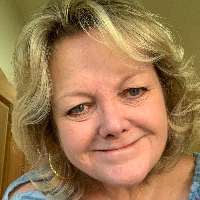
Ka'Tora Dunn
LPCC, LPC
Compassionate therapist focused on relationships and growth
- Stress, Anxiety
- Relationship
- Family
Attachment-based therapy directory
938 therapists list Internal Family Systems among the ways they work. Naming an approach is not evidence of training in it, so ask directly how they use it.
Internal Family Systems (IFS) is a therapeutic model that sees the mind as composed of distinct parts and centers healing through access to your core Self. Below you can browse therapists who list Internal Family Systems among their approaches to compare profiles, focus areas, and therapeutic styles.
LPCC, LPC
Compassionate therapist focused on relationships and growth
LIMFT, LPCC
Practical, relational therapy for everyday struggles
LMHC
Skilled guide for stress, relationships, and healing
LCSW
Calm, relationship-focused therapy for everyday life
LPC, LPCC
Practical therapy for stress and relational healing
LCSW
Attachment-focused therapist helping with anxiety and trauma
LPC
Grounded, practical counseling for overwhelmed adults
LCSW
Practical, compassionate therapy for life transitions
LCSW
Therapist focused on attachment and practical support
LCPC
Compassionate therapist for clearer self-talk
NY Psychoanalyst
Experienced psychoanalyst focusing on attachment and coping
MD, LCSW-C
Compassionate, practical therapy for life changes
LCSW
Calm, practical support for emotional and relationship strain
LMHC
Experienced attachment-informed counselor
LPC
Calm, practical care for emotional challenges
LCSW
Attachment-informed LCSW offering steady support
LPC
Therapist offering steady, compassionate support
LMHC
Compassionate counselor blending attachment and practical skills
LPC
Experienced counselor focused on connection and coping
LPC
Practical, empathetic support for stressful times
LCSW
Experienced Oregon LCSW focused on attachment and coping
LPCC
Helping people rebuild stable relationships and coping skills
LPC
Compassionate counselor using creativity and attachment insights
LMSW
Experienced Michigan therapist focused on attachment
LMFT, LCMFT
Relationship healing and boundary building
LCSW
Compassionate therapist focused on attachment and coping
LPC
Helping people reframe relationships and reactions
LPC
Compassionate counselor helping recovery and relationships
LMFT
Attachment-minded LMFT offering practical support
LPC-MHSP
Therapist focused on real-life change
LMHC, LPCC
Compassionate skill-building for everyday challenges
LPC
Supportive counselor focused on relationships and coping
LMHC
Experienced counselor focused on attachment and practical skills
LPC
Compassionate counselor focused on practical growth
LMFT
Attachment-focused therapist for relationships and trauma
LCPC
Compassionate care for lasting emotional change
LCSW
Practical, attachment-informed therapy for life challenges
AZ Psychologist
Helping people build stable connections and practical change
LPC
Compassionate therapist helping people build stable connections
LPC
Compassionate care for relationship and emotional struggles
Some links on this page are partner links. We will earn a commission if you sign up through one, at no cost to you. It does not change what you pay or the order of the listings.
Internal Family Systems is a psychotherapy model that frames the psyche as an internal system of parts, each with its own perspectives, emotions, and roles. Rather than treating thoughts or feelings as a single problem to fix, this approach invites you to notice and relate to the different parts of yourself - protective parts that try to avoid pain, exile parts that carry hurt or shame, and a core Self that is calm, curious, and compassionate. The aim is to develop a trusting relationship between your Self and these parts so that they can shift out of extreme roles and allow greater flexibility in your responses.
Key principles include the belief that all parts have positive intentions, even when their actions cause distress, and that healing comes from the Self leading the internal system. In practice you are guided to build awareness of internal states, speak directly with parts, and practice Self-led presence. The work tends to emphasize nonjudgmental curiosity, emotional processing, and gradual reorganization of internal patterns. Because it focuses on relationships within the mind, many people find the language of parts clarifying and accessible, helping to make sense of inner conflict and repetitive patterns that affect relationships and everyday functioning.
You may encounter Internal Family Systems in work on a wide range of concerns where entrenched emotional patterns or protective behaviors get in the way of well-being. People often seek this approach for persistent anxiety, depression, unresolved trauma, chronic shame, and patterns of self-criticism or self-sabotage. It is also commonly used for relationship struggles, attachment-related difficulties, and problems that involve recurring internal conflict - for example when one inner part wants closeness while another fears it.
Because IFS encourages direct dialogue with parts, it can be helpful when you want to understand why you react in particular ways and to cultivate more compassion for yourself. The approach can also be supportive if you are recovering from complex early experiences or long-standing interpersonal patterns that were never fully processed. That said, IFS is one of several approaches that address these concerns, and it often complements other therapies by offering a relational map of your inner world rather than a set of techniques aimed solely at symptom reduction.
If you are drawn to reflective work that explores inner experience, you may find IFS resonates with you. It can suit people who prefer an approach that validates the protective roles parts play while also aiming to reduce their intensity over time. You do not need to have prior therapy experience to start this work, but you should be prepared to engage in introspective exercises and emotionally-focused conversations. If you are seeking rapid symptom relief for an acute crisis, you may also want to discuss with a clinician how IFS can be integrated with other supportive strategies to meet immediate needs.
A typical IFS session begins with settling into the present moment and orienting to how you are feeling. Your therapist may invite you to notice any sensations, images, or voices coming from within and to describe them in your own words. The clinician will often help you locate a Part and ask gentle questions to bring curiosity rather than judgment - for example, asking a protecting part what it is trying to accomplish or what it fears would happen if it stepped back. The tone is usually exploratory, with an emphasis on creating a felt sense of connection between your Self and the part you are working with.
Sessions can include a mix of dialogue, guided imagery, or somatic noticing, depending on what feels most useful in the moment. Your therapist may help you map relationships among parts - noticing which parts are most reactive, which carry painful memories, and which intervene to keep you safe. Over time the goal is to decrease polarized internal conflicts, allow exiled parts to share their stories in a supported way, and strengthen your Self's capacity to lead the internal system. Progress can look like reduced reactivity, clearer internal communication, and a growing ability to hold difficult feelings with care.
IFS differs from many mainstream therapies in the way it conceptualizes the mind and directs the therapeutic task. Where some approaches focus on changing behaviors or challenging distorted thoughts, IFS centers relationship - the relationship you have with your own internal experiences. Instead of treating an unwanted feeling as something to eliminate, IFS invites you to meet the part that holds the feeling and understand its role. This relational stance tends to shift the focus from problem-solving to compassionate inquiry.
Compared with approaches that emphasize skills training, IFS often spends more time on internal exploration and emotional processing. Compared with trauma-focused methods that may prioritize exposure or desensitization, IFS emphasizes gradual witnessing and the restoration of internal balance through Self-led leadership. It is common for therapists to integrate IFS language and techniques with other modalities to tailor care to a person's needs. In practice this can mean using parts work alongside practical coping strategies, psychoeducation, or relational therapies that focus on patterns in current relationships.
When you begin looking for a clinician who lists Internal Family Systems among their approaches, think about the qualities that will help you feel understood. Read profiles to learn about a therapist's focus areas, clinical orientation, and the populations they commonly work with. Pay attention to descriptions of how they use parts language - some therapists explicitly center IFS principles while others blend them with other methods. Looking at details such as experience with attachment issues, trauma-informed care, or work with specific life stages can help you identify clinicians whose style aligns with your goals.
It can also be helpful to prepare a few questions to guide your initial contact or consultation. You might ask how they typically use parts work in sessions, what a short course of therapy might focus on, and how they support clients if intense feelings arise. If conversation about style and approach feels important to you, use profile information to find therapists whose descriptions emphasize curiosity, compassion, and collaboration. Remember that many clinicians list multiple approaches, so reading the full profile will give you a better sense of which practitioners emphasize IFS language and which use it as one tool among others.
Ultimately, finding a good fit often involves listening to how a therapist describes their work and noticing whether their language resonates with you. If you are exploring parts work for the first time, look for a clinician who communicates a clear, humane process and who describes pacing that allows you to build trust with your internal system. Use the profiles below to compare approaches, focus areas, and therapeutic style as you begin your search.