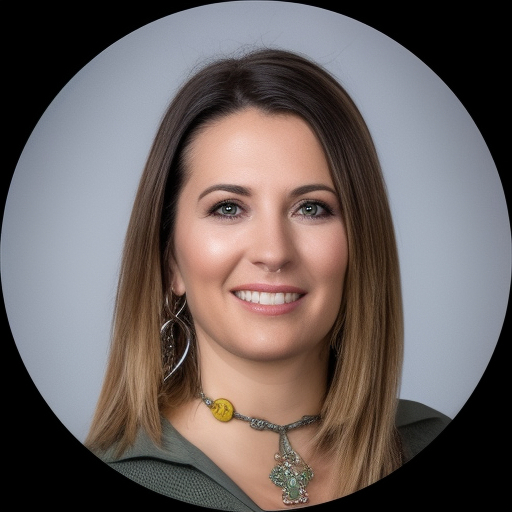
McKayla Phillips
LCMHC
Support for stress, loss, and relationship strain
- Stress, Anxiety
- Addictions
- Relationship
Attachment-based therapy directory
42 therapists based in Utah name attachment-based therapy among the ways they work. Sessions are online; a therapist can usually only see people in the states where they hold a license, so check the license line on each profile.
Welcome to Attachment Therapists' directory for online therapists serving Utah. All therapists listed here are licensed; explore profiles to compare approaches, credentials and areas of focus.
LCMHC
Support for stress, loss, and relationship strain
LCSW
Supportive social worker focused on relationships and coping
LCMHC
Compassionate counselor focused on attachment and recovery
LCMHC
Helping people heal through relationships and practical skills
LCMHC
Attachment-informed counselor for practical change
LMFT
Experienced attachment-informed marriage and family therapist
UT Psychologist
Insightful psychologist focused on attachment and growth
LCSW
Gentle, practical therapy for life’s hardest moments
LCSW
Compassionate therapist for relationship and sexual wellness
LCSW
Attachment-informed LCSW focused on practical change
LCMHC
Calm, practical therapy grounded in relationships
LCMHC
Empathetic counselor for stress and trauma
LCSW
Compassionate trauma and addiction clinician
LCSW
Compassionate LCSW guiding practical change
LMFT
Compassionate, practical therapy for life’s challenges
LCSW
Compassionate LCSW helping with attachment and life stress
LCSW
Compassionate trauma-informed LCSW helping adults
LMFT
Compassionate, practical therapy for lasting change
LMFT
Compassionate therapist who focuses on attachment and relationships
LCMHC
Connection-focused counselor for complex challenges
LCSW, LICSW
Therapist who blends practical tools and empathy
LMHC
Calm, practical therapy for life transitions
LCMHC, LCPC
Compassionate counselor who focuses on relationship patterns
LCSW
Compassionate LCSW helping you find direction
LPC, LCPC
Compassionate counselor focusing on attachment-informed care
LCMHC
Compassionate care for attachment and trauma concerns
LPC, LCPC
Calm, practical help for attachment and life struggles
LMFT
Compassionate, practical therapy for everyday struggles
LCMHC, LPC
Warm, practical therapy for attachment and life stress
LCSW
Compassionate LCSW focused on attachment and coping
LCMHC, LPC
Compassionate care for attachment and stress issues
LCMHC
Supportive counselor helping people reclaim balance
LCMHC
Compassionate, practical therapy for relationship wounds
LMHC, LPC
Compassionate, practical help for life and relationships
LCMHC
Compassionate online support for adult challenges
UT Psychologist
Calm, practical care focused on relationships
LCMHC
Healing rooted in connection and practical change
LICSW, LCSW
Guide-focused therapist blending nature and clinical care
LMHC, LCMHC
Seasoned therapist with an attachment focus
Some links on this page are partner links. We will earn a commission if you sign up through one, at no cost to you. It does not change what you pay or the order of the listings.
If you live in Utah, you will find that online therapy has become a widely accepted option for many people seeking counseling. Providers who work remotely can serve clients across the state while following Utah licensing rules for telehealth practice. Online therapy can take place through video sessions, phone calls, or text-based messaging, and many therapists describe their work in terms of attachment-focused care, trauma-informed approaches, family systems work, cognitive and behavioral strategies, or other orientations. You will often see therapists who list EMDR among their approaches or who note experience with relational and developmental models. Because state regulations and technology choices evolve, it is helpful to be aware of how therapists describe their services, what platforms they use, and how they approach boundaries and communication in remote work.
Online therapy in Utah reaches both urban centers and more rural communities where in-person options may be limited. You may be able to connect with counselors who speak your language, work with particular age groups, or emphasize specific issues such as parenting, relationship concerns, or attachment-related patterns. While remote care expands choice, it also means you should pay attention to practical details - including how a therapist describes their approach, how they explain session structure, and how they handle emergencies or coordination with local care when needed. Knowing these basics will help you make informed decisions as you explore profiles and consider making contact.
Choosing online therapy can offer several practical benefits that matter in everyday life. For many people, the ability to meet with a counselor from your home or another familiar place reduces travel time and makes scheduling easier around work, school, or family responsibilities. If you live in a rural region of Utah, online options often increase access to therapists who might otherwise be too far to see in person. Online sessions can allow you to maintain continuity of care if you move within the state, travel for work, or need flexible scheduling.
Beyond convenience, online therapy can broaden the range of approaches available to you. You may be able to find therapists who list specialized orientations - for example, attachment-informed work, somatic approaches, or cognitive-behavioral methods - even if those approaches are scarce near your physical location. For people managing chronic stress, caregiving duties, or mobility limitations, remote care can be a practical way to prioritize mental health. When you prepare for sessions, find a quiet space at home where you can focus without interruption, and consider how lighting, sound, and device placement affect the quality of your meetings. Taking these small steps can improve the therapeutic experience and help you get the most from remote sessions.
Online therapists in Utah work with a broad range of concerns that often overlap with the ways people describe their everyday struggles. You can find counselors who focus on relationship distress, attachment difficulties that affect intimacy and parenting, anxiety and worry, depression and low mood, life transitions such as relocation or job change, and the effects of past trauma. Many therapists also list specialties in working with families, couples, adolescents, or specific populations such as military families or first responders. Therapists who list EMDR among their approaches may note work with trauma symptoms or difficult memories, while others may emphasize talk-based models to explore patterns and build coping skills.
When you look through profiles, pay attention to how clinicians describe their clinical focus and the populations they mention. Some therapists frame their work around attachment patterns - for instance, helping you identify how early relationships shape current interactions - while others describe skill-building approaches to manage symptoms and improve daily functioning. If you have concerns that cross mental health and medical care, such as sleep problems related to a chronic illness, look for profiles that describe collaboration with primary care or an integrated approach. The right match is often about how a therapist frames their work and how that fits with your priorities and life circumstances.
Confirming a therapist's license is an important step when you consider remote care. Utah maintains public licensing records for counselors, social workers, marriage and family therapists, and psychologists through its state licensing board. To verify a license, you can search the board's online lookup tool for the practitioner name, license number, or license type. The lookup will typically show whether the license is active, the expiration date, and any public actions or restrictions. If you prefer, you can also contact the licensing board by phone to request verification or clarification about a clinician's current status.
When you review a profile, note the clinician's license type and the state listed. Licensed practitioners who work with Utah clients should indicate a Utah license or otherwise describe how they meet the state's telehealth rules. If a therapist's profile lists multiple states, you can confirm which jurisdictions they are licensed in and whether they describe following Utah regulations for telepractice. Keep a record of the license details you review so you can reference them later if you decide to reach out. Remember that a public license lookup is a factual, objective way to confirm professional standing, and it complements the information therapists provide in their profiles.
Starting with an online therapist usually begins with narrowing your priorities. Think about the main concerns you want to address, the type of approach that feels most comfortable, and any logistical needs such as session length, language, or hours that work with your schedule. Once you identify profiles that align with those priorities, reach out to ask a few practical questions. Many therapists provide a brief intake description on their profile that outlines how they structure initial sessions, what documents to expect, and how they handle consent and emergency planning. Use these details to decide which counselors you want to contact for a preliminary conversation.
When you contact a potential therapist, aim to learn how they describe their approach and how they would work with your situation. Ask about the therapist's experience working with issues similar to yours and how they tailor sessions to meet individual needs. You can also inquire about session format - whether they prefer video, phone, or a mix - and how they handle technology and scheduling. It is appropriate to ask how the therapist coordinates care if you are working with other providers in Utah, and how they handle risk management or urgent concerns while practicing remotely. Listening for clear explanations and a respectful tone can help you assess whether the therapist is a good match for your preferences.
Choosing the right therapist often comes down to fit more than credentials alone. Look for a clinician whose described approach resonates with your goals and whose communication style feels comfortable when you first interact. Consider practical factors such as language, cultural sensitivity, and experience with populations similar to yours. If you are parents seeking help for a child or teen, examine how a therapist describes family involvement and age-appropriate methods. Keep in mind that it is normal to reach out to more than one therapist before deciding, and that the first session is often an opportunity to assess rapport and clarify therapeutic goals. Trust your sense of whether the therapist's explanations and style align with what you need to feel supported as you begin the work.