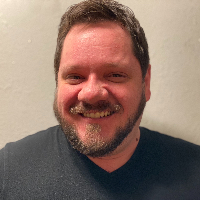
Brandon Bunker, LCMHC, LPC
Therapist in Utah
Brandon Bunker is a licensed counselor who helps people facing stress, anxiety, depression, trauma, addiction, and issues around identity and intimacy.
- Licensed inUtah, Virginia
- License8287475-6004, 0701013816
- NPI 1245606409
- Experience11+ years
- LanguagesEnglish
Details are as listed on the therapist's public professional profile. You can check any license with the state board and any NPI with the national registry.
About Brandon
Brandon Bunker is a licensed counselor who helps people facing stress, anxiety, depression, trauma, addiction, and issues around identity and intimacy. He works from Utah and brings 11 years of clinical experience to conversations about relationships, parenting, self-esteem, and major life changes. His sessions aim to be warm and nonjudgmental.
He focuses on listening first, then gently guiding clients toward clearer goals. Brandon uses plain language and practical exercises so people can try things between sessions.
Background and approach
He draws on Attachment-Based Therapy to look at how early bonds shape current relationships. He also uses Acceptance and Commitment Therapy, Client-Centered methods, Cognitive Behavioral Therapy, and Emotionally-Focused Therapy depending on what fits a person’s needs. These approaches are used to address emotional pain, communication problems, and challenges with closeness or boundaries.
Brandon often helps people sort out family-of-origin issues, abandonment concerns, codependency, and problems tied to caregiving or fatherhood. He also works with intimacy-related matters including kink and alternative sex culture, and supports those dealing with forgiveness, emptiness, or career stress. Sessions combine talk, skill practice, and emotion-focused work.
Brandon aims to help people build better communication, stronger self-compassion, and clearer direction in life. The focus is practical change that feels manageable for daily life.
Credentials
- LCMHC (Utah)
- License 8287475-6004 · expires September 2026
- LPC (Virginia)
- License 0701013816 · expires June 2026
- NPI
- 1245606409 · national provider identifier
Both are public records. A state board register will confirm a license and its standing, and the national registry will confirm an NPI. This directory copies what the therapist lists and checks neither.
Focus areas and approaches
Everything Brandon lists on their public professional profile, in their own terms.
- Stress, Anxiety
- LGBT
- Relationship issues
- Trauma and abuse
- Depression
- Addictions
- Family conflicts
- Intimacy-related issues
- Parenting issues
- Self esteem
- Career difficulties
- Coping with life changes
- Compassion fatigue
- Abandonment
- Attachment issues
- BDSM, kink, and alternative sex culture
- Caregiver issues and stress
- Codependency
- Commitment issues
- Communication problems
- Coping with natural or human-caused disaster
- Divorce and separation
- Drug and alcohol addiction
- Emptiness
- Family of origin issues
- Family problems
- Fatherhood issues
- Forgiveness
- Gender dysphoria
- Guilt and shame
- Hearing impaired
- HIV / AIDS
- Infidelity
- Isolation / loneliness
- Jealousy
- Life purpose
- Men's issues
- Midlife crisis
- Veteran and Armed Forces Issues
- Mood disorders
- Multicultural concerns
- Polyamory / non-monogamous relationships
- Postpartum depression
- Post-traumatic stress
- Prejudice and discrimination
- Process addiction (porn, exercise, gambling)
- Seasonal Affective Disorder (SAD)
- Self-love
- Sex addiction
- Sexual assault and abuse
- Sexuality
- Social anxiety and phobia
- Women's issues
- Workplace issues
- Young adult issues
Approaches Brandon names
- Attachment-Based Therapy
- Acceptance and Commitment Therapy (ACT)
- Client-Centered Therapy
- Cognitive Behavioral Therapy (CBT)
- Emotionally-Focused Therapy (EFT)
- Eye Movement Desensitization and Reprocessing (EMDR)
- Gottman Method
- Mindfulness Therapy
- Narrative Therapy
- Psychodynamic Therapy
- Solution-Focused Therapy
- Somatic Therapy
- Trauma-Focused Therapy
- Internal Family Systems
- Systemic Therapy
Naming an approach is not evidence of training in it. This directory copies what each therapist lists and does not check training records.
Online support
How attachment and ACT translate to online therapy
Attachment-Based Therapy looks at how early relationships shape current patterns. Online sessions can be used to notice how connections form now and to practice new ways of relating. Acceptance and Commitment Therapy (ACT) helps people notice difficult thoughts and commit to values-based actions; in digital sessions clients learn short exercises to use in daily life. Client-Centered Therapy focuses on listening, empathy, and building a respectful space for personal discovery, which can feel consistent across video or phone work.Finding the right mix of approaches is a collaborative process. The therapist will talk with clients about goals and preferences, try methods that fit, and adjust as work unfolds. That means experimenting together until the approach feels useful and manageable.
Online formats offer practical flexibility. Video calls allow face-to-face interaction for emotion-focused work. Phone sessions use less bandwidth and can fit a break at work. Live chat and text-based messaging let people check in between sessions or use shorter, focused communication. These options make it easier to schedule therapy around daily life while using the approaches that match each person’s needs.
We will earn a commission if you sign up through our link, at no cost to you. It does not change what you pay or the order of the listings.
Frequently asked
What concerns does Brandon address?
He supports people with stress, anxiety, depression, trauma and abuse, addictions, relationship and intimacy issues, parenting and family concerns, LGBT-related matters, self-esteem, career stress, and coping with life changes.
What is his general therapeutic style?
He keeps sessions warm, direct, and client-centered. Brandon listens first, then offers practical exercises and emotion-focused work to help people make changes between sessions.
How much clinical experience does he have?
He has 11 years of experience working with a wide range of emotional and relationship concerns.
What credentials and where is he based?
He holds LCMHC and LPC credentials and practices from Utah.
Which languages and international options are available?
Sessions are offered in English. International clients are not currently accepted.
What session formats does he offer?
He works through video calls, phone sessions, live chat, and text-based messaging to fit different preferences and schedules.
How are sessions priced?
Cost varies with location and therapist availability; sessions use a subscription model that can be canceled at any time.
How do I begin working with him?
Start by selecting the Start Therapy button, complete a short matching questionnaire, and schedule according to therapist availability.
More therapists in Utah
See all
McKayla Phillips
LCMHC
Support for stress, loss, and relationship strain
- Stress, Anxiety
- Addictions
- Relationship
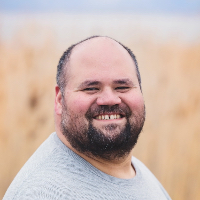
Charlie Johnson
LCSW
Supportive social worker focused on relationships and coping
- Stress, Anxiety
- Addictions
- Relationship
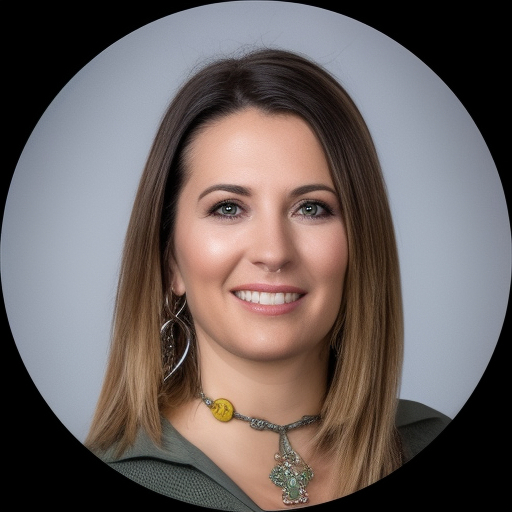
Monica Rawlings
LCMHC
Compassionate counselor focused on attachment and recovery
- Stress, Anxiety
- Addictions
- Relationship
Is this your profile?
Ask us to correct details or take the page down.
Contact us