
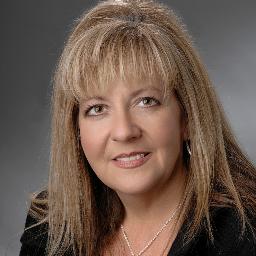
Deborah Richert, LCMFT
Therapist in Kansas
Deborah Richert is a licensed clinical marriage and family therapist with 11 years of experience helping people navigate stress, anxiety, addictions, relationship struggles, trauma, and depression.
- Licensed inKansas
- LicenseLCMFT 2941
- NPI 1891163721
- Experience11+ years
- LanguagesEnglish
Details are as listed on the therapist's public professional profile. You can check any license with the state board and any NPI with the national registry.
About Deborah
Deborah Richert is a licensed clinical marriage and family therapist with 11 years of experience helping people navigate stress, anxiety, addictions, relationship struggles, trauma, and depression. She keeps a relaxed, down-to-earth style that helps people feel at ease. Deborah focuses on clients' strengths and practical steps to move forward.
She uses Attachment-Based Therapy to look at how early and current relationship patterns affect feelings and reactions. She combines that with Client-Centered methods to keep sessions focused on the person's needs and pacing.
Background and approach
She also draws on Cognitive Behavioral Therapy and Dialectical Behavior Therapy tools to teach skills for mood and behavior changes. Deborah has worked with people managing grief, adjustment problems, substance use concerns, panic, and chronic mood symptoms. She pays attention to co-occurring issues like chronic pain, codependency, and isolation when shaping a treatment plan.
Her approach is collaborative and practical. Sessions usually include talking through current struggles, identifying helpful patterns, and practicing skills between meetings. She aims to create a nonjudgmental space where people can try new ways of relating and coping.
Humor and straightforward feedback are part of her style when appropriate. Deborah helps people set clear goals and reviews progress as therapy continues. She supports clients in building communication skills, managing impulses, and addressing feelings of guilt or abandonment.
She practices from Kansas and conducts sessions in English.
Credentials
- LCMFT (Kansas)
- License LCMFT 2941 · expires December 2027
- NPI
- 1891163721 · national provider identifier
Both are public records. A state board register will confirm a license and its standing, and the national registry will confirm an NPI. This directory copies what the therapist lists and checks neither.
Focus areas and approaches
Everything Deborah lists on their public professional profile, in their own terms.
- Stress, Anxiety
- Addictions
- Relationship issues
- Trauma and abuse
- Depression
- Abandonment
- Attachment issues
- Chronic pain, illness, and disability
- Co-morbidity
- Codependency
- Communication problems
- Control issues
- Drug and alcohol addiction
- Forgiveness
- Guilt and shame
- Impulsivity
- Isolation / loneliness
- Life purpose
- Mood disorders
- Panic disorder and panic attacks
- Post-traumatic stress
- Self-love
- Social anxiety and phobia
- Workplace issues
Approaches Deborah names
- Attachment-Based Therapy
- Client-Centered Therapy
- Cognitive Behavioral Therapy (CBT)
- Dialectical Behavior Therapy (DBT)
- Gottman Method
- Mindfulness Therapy
- Motivational Interviewing
- Solution-Focused Therapy
- Trauma-Focused Therapy
- Systemic Therapy
Naming an approach is not evidence of training in it. This directory copies what each therapist lists and does not check training records.
Online support
How attachment work and skills-based therapy translate online
Attachment-Based Therapy looks at patterns in close relationships and how those patterns shape reactions, trust, and emotional needs. Online sessions can be a place to notice relationship habits and try new ways of connecting or coping. Client-Centered Therapy emphasizes the person's experience and priorities, giving space for the client to guide session topics and pace. That approach helps people feel heard and involved in decisions about goals. Cognitive Behavioral Therapy (CBT) focuses on changing unhelpful thoughts and behaviors through specific exercises and practice. CBT tools are easy to assign between sessions and review during video or messaging check-ins.Finding the right mix of approaches is part of the work. The therapist will collaborate with the client to choose methods that match goals, preferences, and the issues at hand. Plans can change as progress is tracked, and sessions will include feedback and adjustments together.
Online formats include video calls, phone sessions, live chat, and text-based messaging. Video is useful for longer conversations and skill demonstrations. Phone sessions fit shorter check-ins or when bandwidth is limited. Live chat and text-based messaging work well for brief updates, skill practice, or when a written format feels easier. These options make it simpler to fit therapy into a busy life and keep continuity between appointments.
We will earn a commission if you sign up through our link, at no cost to you. It does not change what you pay or the order of the listings.
Frequently asked
What kinds of concerns does she address?
She works with stress, anxiety, addictions, relationship problems, trauma and abuse, and depression. Additional areas include panic attacks, codependency, and chronic illness impacts.
What is her general therapy style?
Sessions are relaxed and direct, with an emphasis on strengths and practical skills. Deborah blends listening with concrete strategies to help manage symptoms and improve relationships.
How much clinical experience does she have?
She has 11 years of experience working with individuals and couples on mood, addiction, and relationship concerns. That background informs a practical approach to treatment.
What are her credentials and where is she based?
She holds the LCMFT credential and practices in Kansas. Sessions are conducted in English.
Can people outside the United States work with her?
She does not accept international clients. Sessions are offered to those located where her Kansas-based credential allows practice.
In what formats are sessions offered?
Sessions can be scheduled as video calls, phone sessions, live chat, or text-based messaging. These options allow for shorter check-ins or longer conversations as needed.
How are session costs handled?
Cost varies with location and clinician availability and uses a subscription model that can be canceled at any time. Specific pricing depends on the plan chosen.
What steps are needed to begin working together?
Start by selecting the Start Therapy button and completing a brief matching questionnaire. After that, schedule sessions according to the therapist's availability.
More therapists in Kansas
See all
Kris Rice
LSCSW
Compassionate, experienced Kansas social worker
- Stress, Anxiety
- Relationship
- Trauma and abuse

Jacqueline "Jackie" Pattison
LCPC
Compassionate therapy for life changes and relationships
- Stress, Anxiety
- Relationship
- Family
Is this your profile?
Ask us to correct details or take the page down.
Contact us