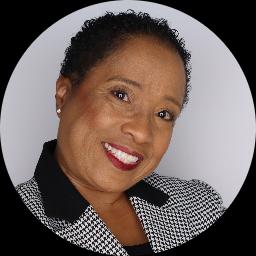
- Licensed inDelaware
- LicenseFT-0010070
- NPI 1962053165
- Experience13+ years
- LanguagesEnglish
Details are as listed on the therapist's public professional profile. You can check any license with the state board and any NPI with the national registry.
About Lauren
Dr. Lauren Pitts-Bounds is a Licensed Marriage and Family Therapist (LMFT) with 13 years of clinical experience. She focuses on relationship strain, trauma and abuse, parenting stress, self-esteem, grief, intimacy concerns, anger, career shifts, and ADHD.
She aims to help people find clearer ways to connect and move forward. Her work centers on attachment and practical problem-solving. She blends Attachment-Based Therapy with client-centered conversation and cognitive behavioral techniques.
Sessions are aimed at helping people notice patterns, try small changes, and build skills to manage reactions and improve communication.
Background and approach
Her style is straightforward and collaborative. She listens for what matters most, asks clear questions, and offers tools people can use between sessions. She uses solution-focused steps when someone needs concrete goals and motivational interviewing when someone wants to strengthen their readiness for change.
Dr. Pitts-Bounds draws on a background in family therapy and educational leadership. Her training includes a doctorate in Educational Leadership and Management and a master’s in Couple, Marriage, and Family Therapy from Drexel University.
She also holds an LMFT credential in Delaware. Clients can expect sessions that combine practical coaching with therapeutic work. The focus may shift from skill-building to processing past hurts depending on need.
The aim is steady progress toward clearer relationships, better coping, and renewed direction. She offers services from Delaware and works with adults who want help with relationships, family roles, career decisions, and life transitions.
Credentials
- LMFT (Delaware)
- License FT-0010070 · expires September 2026
- NPI
- 1962053165 · national provider identifier
Both are public records. A state board register will confirm a license and its standing, and the national registry will confirm an NPI. This directory copies what the therapist lists and checks neither.
Focus areas and approaches
Everything Lauren lists on their public professional profile, in their own terms.
- Relationship issues
- Family conflicts
- Trauma and abuse
- Parenting issues
- Self esteem
- Grief
- Intimacy-related issues
- Anger management
- Career difficulties
- Coping with life changes
- Coaching
- ADHD
- Abandonment
- Attachment issues
- Blended family issues
- Cancer
- Caregiver issues and stress
- Codependency
- Commitment issues
- Communication problems
- Control issues
- Dependent personality
- Divorce and separation
- Domestic violence
- Family of origin issues
- Family problems
- Fatherhood issues
- Forgiveness
- Guilt and shame
- Infidelity
- Jealousy
- Life purpose
- Money and financial issues
- Multicultural concerns
- Self-love
- Sexual assault and abuse
- Women's issues
- Workplace issues
- Young adult issues
Approaches Lauren names
- Attachment-Based Therapy
- Client-Centered Therapy
- Cognitive Behavioral Therapy (CBT)
- Motivational Interviewing
- Solution-Focused Therapy
- Trauma-Focused Therapy
Naming an approach is not evidence of training in it. This directory copies what each therapist lists and does not check training records.
Online support
How attachment work and practical therapy translate online
The practice uses Attachment-Based Therapy to look at how early relationship patterns affect current connections. This approach helps people identify where they feel stuck in closeness and plan small changes to feel safer and more connected. Client-Centered Therapy is also central, focusing on listening closely and following each person’s goals and pace while offering empathy and reflection that build self-understanding.Finding the right mix of approaches is part of the work. The therapist collaborates with each person to decide whether attachment-focused insight, practical cognitive tools, or solution-focused coaching best fit their needs. This is a joint process that can shift as goals change.
Online formats include video calls, phone sessions, live chat, and text-based messaging. Video lets people read facial cues and try communication exercises together. Phone sessions can be easier when bandwidth is low or a shorter check-in is needed. Live chat and messaging are convenient for brief updates, coaching prompts, or when writing helps a person sort thoughts. These options make therapy more flexible for busy schedules and different comfort levels.
We will earn a commission if you sign up through our link, at no cost to you. It does not change what you pay or the order of the listings.
Frequently asked
What kinds of concerns can be addressed in sessions?
Sessions cover relationship issues, family and parenting stress, trauma and abuse, self-esteem, grief, intimacy concerns, anger, career transitions, ADHD, and related challenges such as abandonment and communication problems.
How would you describe the therapy style and approach?
Therapy blends Attachment-Based Therapy with client-centered conversation and cognitive behavioral techniques. The approach mixes listening, practical skill-building, and short-term solution-focused steps.
What is the therapist's background and experience?
She has 13 years of clinical practice and holds a doctorate in Educational Leadership and Management plus a master’s in Couple, Marriage, and Family Therapy from Drexel University.
Where is the therapist licensed and located?
The clinician holds an LMFT credential in Delaware and provides services from that state.
Which languages are supported for sessions?
Sessions are offered in English.
What session formats are available online?
Therapy is offered through video calls, phone sessions, live chat, and text-based messaging to fit different schedules and communication preferences.
How are fees and payment handled?
Cost varies with location and therapist arrangements; sessions use a subscription model that can be canceled at any time.
How do I begin working with this therapist?
Start by selecting the Start Therapy button, complete a short matching questionnaire, and then schedule sessions according to therapist availability.
More therapists in Delaware
See all
Daniel Norvell
LCSW
Therapist focused on attachment and practical support
- Stress, Anxiety
- Addictions
- LGBT
Swiyah Whittington
LPC-MH
Attachment-informed counselor focused on healing relationships
- Stress, Anxiety
- Relationship
- Trauma and abuse
Lucian M McMillan-Cardona
LCSW
Therapist who blends action with empathy
- Stress, Anxiety
- Addictions
- Career
Is this your profile?
Ask us to correct details or take the page down.
Contact us