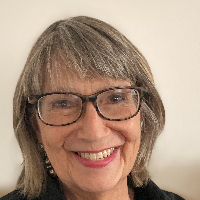
Patricia Manning, LPC
Therapist in Oregon
Patricia Manning is a Licensed Professional Counselor (LPC) who uses attachment-based work to help people feel safer in relationships and more steady in themselves.
- Licensed inSouth Carolina, Oregon
- License6060, C5983
- NPI 1487113593
- Experience11+ years
- LanguagesEnglish
Details are as listed on the therapist's public professional profile. You can check any license with the state board and any NPI with the national registry.
About Patricia
Patricia Manning is a Licensed Professional Counselor (LPC) who uses attachment-based work to help people feel safer in relationships and more steady in themselves. She focuses on stress, anxiety, trauma, grief, parenting challenges, and questions about life purpose. Patricia writes plainly and meets people where they are.
She draws on 11 years of counseling experience and earlier work with children and families in foster care, residential settings, and shelters. That background informs how she notices patterns that start in early relationships and carry into adult life.
Background and approach
Sessions aim to make those patterns easier to understand and change. Patricia blends client-centered listening with practical tools from cognitive behavioral approaches and skills work from dialectical behavior therapy. When trauma is involved she may include EMDR-informed techniques alongside gentle emotion regulation strategies.
The pace and focus are set together with each person. In the room she pays attention to both feelings and daily life - how stress, parenting demands, work, or loss show up week to week. She helps people build clearer boundaries, manage anger, address attachment worries, and find steadier ways to cope with change.
Her style is direct but caring. She will challenge unhelpful choices while supporting new learning. People who want straightforward guidance paired with a warm, experienced clinician may find this approach useful.
Credentials
- LPC (South Carolina)
- License 6060 · expires August 2027
- LPC (Oregon)
- License C5983 · expires March 2027
- NPI
- 1487113593 · national provider identifier
Both are public records. A state board register will confirm a license and its standing, and the national registry will confirm an NPI. This directory copies what the therapist lists and checks neither.
Focus areas and approaches
Everything Patricia lists on their public professional profile, in their own terms.
- Stress, Anxiety
- Family conflicts
- Trauma and abuse
- Parenting issues
- Self esteem
- Relationship issues
- Grief
- Intimacy-related issues
- Anger management
- Career difficulties
- Depression
- Coping with life changes
- Compassion fatigue
- ADHD
- Adoption and foster care
- Attachment issues
- Blended family issues
- Caregiver issues and stress
- Codependency
- Coping with natural or human-caused disaster
- Dissociation
- Divorce and separation
- Domestic violence
- Emptiness
- Family problems
- Forgiveness
- Guilt and shame
- Isolation / loneliness
- Life purpose
- Midlife crisis
- Panic disorder and panic attacks
- Post-traumatic stress
- Seasonal Affective Disorder (SAD)
- Self-harm
- Self-love
- Sexual assault and abuse
- Social anxiety and phobia
- Women's issues
- Workplace issues
- Young adult issues
Approaches Patricia names
- Attachment-Based Therapy
- Client-Centered Therapy
- Cognitive Behavioral Therapy (CBT)
- Dialectical Behavior Therapy (DBT)
- Eye Movement Desensitization and Reprocessing (EMDR)
- Mindfulness Therapy
- Narrative Therapy
- Solution-Focused Therapy
- Trauma-Focused Therapy
Naming an approach is not evidence of training in it. This directory copies what each therapist lists and does not check training records.
Online support
How attachment and skill-based approaches work online
Patricia often combines attachment-based ideas with client-centered and cognitive behavioral work. Attachment-based work looks at how early relationship patterns affect current reactions and helps people build more supported ways of relating. Client-centered therapy focuses on listening, understanding your perspective, and shaping goals together. Cognitive behavioral therapy (CBT) offers concrete exercises to change unhelpful thoughts and behaviors and can help with anxiety, depression, and daily stressors.Choosing the right approach is a collaborative process. Patricia will talk with each person about their goals and preferences, try methods that match those goals, and adjust what she does based on what helps. The plan is shaped together rather than imposed, so you can test skills and approaches at a comfortable pace.
Online sessions are offered as video calls, phone sessions, live chat, or text-based messaging to make counseling fit into busy lives. Video works well for deeper conversations and visual connection, phone is helpful when bandwidth is limited or you prefer not to be on camera, and messaging or live chat can be useful for brief check-ins or practicing skills between meetings. These options make it easier to keep a regular schedule, fit sessions around work or parenting, and maintain momentum toward your goals.
We will earn a commission if you sign up through our link, at no cost to you. It does not change what you pay or the order of the listings.
Frequently asked
What concerns does she address?
She helps with stress, anxiety, depression, trauma and abuse, parenting challenges, grief, relationship and intimacy issues, anger, career stress, ADHD, and coping with life changes.
What is her therapy style like?
Her work is client-centered and attachment-informed, mixing listening with practical skills. She also uses cognitive behavioral and dialectical behavior techniques when helpful.
How much clinical experience does she have?
She brings 11 years of counseling experience along with earlier work in foster care, residential treatment, and shelters.
Where is she licensed and based?
She holds LPC credentials and is licensed in South Carolina and Oregon while practicing from Oregon.
Which languages are sessions offered in?
Sessions are offered in English.
What formats are available for sessions?
Sessions can be done via video calls, phone sessions, live chat, or text-based messaging.
How does payment and cost work?
Cost varies with location and therapist availability and uses a subscription model that can be canceled at any time.
How do I begin working with her?
Start by selecting the Start Therapy button, complete a short matching questionnaire, and then schedule according to therapist availability.
More therapists in Oregon
See all
Linda McNellis
LCSW
Experienced Oregon LCSW focused on attachment and coping
- Stress, Anxiety
- Trauma and abuse
- Grief

Peter Meilahn
LPC
Focused, practical tools for attention and balance
- Stress, Anxiety
- Addictions
- Depression

Dean Williams
LPC, LMFT
Therapist combining practical skills and attachment work
- Stress, Anxiety
- Grief
- Career
Is this your profile?
Ask us to correct details or take the page down.
Contact us