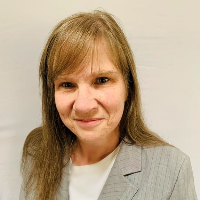
Linda McNellis
LCSW
Experienced Oregon LCSW focused on attachment and coping
- Stress, Anxiety
- Trauma and abuse
- Grief
Attachment-based therapy directory
41 therapists based in Oregon name attachment-based therapy among the ways they work. Sessions are online; a therapist can usually only see people in the states where they hold a license, so check the license line on each profile.
Welcome to Attachment Therapists' Oregon directory for online therapy. All therapists listed here hold a license to practice, and many note attachment-focused approaches among their specializations. Explore the profiles below to learn about credentials, approaches and areas of focus.
LCSW
Experienced Oregon LCSW focused on attachment and coping
LPC
Focused, practical tools for attention and balance
LPC, LMFT
Therapist combining practical skills and attachment work
LCSW
Practical, compassionate therapy and coaching
LCSW
Compassionate social worker focused on attachment healing
LPC
Compassionate, practical help for life’s hard moments
LISW, LCSW
Calm, experienced clinical social worker
LMFT
Restoring connection, managing life changes
LPC
Warm, practical help for stress and relationships
LCSW
Practical, body-aware therapy for life changes
LCSW
Compassionate, practical therapy for attachment and mood concerns
LPC
Compassionate counselor focused on relationships and coping
LPC
Practical, attachment-aware counseling for change
LMFT
Relationship-focused therapist for life transitions
LCSW, LICSW
Compassionate, attachment-informed clinical social worker
LCSW
Compassionate LCSW helping people through trauma and change
LPC, LMHC
Attachment-informed counselor focused on practical change
LCSW
Compassionate LCSW helping with attachment and life stressors
LCSW
Attachment-aware therapist focused on practical skills
LPC
Attachment-informed counselor focused on practical change
LPC
Therapist focused on attachment and coping skills
LMFT
Warm, practical therapy for relationship and trauma concerns
LMFT
Compassionate, practical therapy for life changes
LCSW, LICSW
Direct, practical therapy for life transitions
LCSW
Experienced Oregon LCSW focused on attachment-informed care
LCSW
Compassionate, practical therapy for attachment and mood issues
LPC
Grounded, collaborative counseling for life changes
LCPC, LPC
Experienced counselor focused on relationships and coping
LCSW
Compassionate attachment-informed clinical social worker
LPC
Practical, relationship-aware therapy for mood and stress
LCSW
Empathetic therapist helping people rebuild connection
OR Psychologist
Compassionate psychologist with practical focus
LPC
Relationship-focused counselor who blends evidence and heart
LCSW
Compassionate attachment-informed therapist
LPC
Healing relationships and strengthening coping skills
LPC
Compassionate, practical support for everyday struggles
LPC
Compassionate counselor focused on attachment and change
Some links on this page are partner links. We will earn a commission if you sign up through one, at no cost to you. It does not change what you pay or the order of the listings.
In recent years online therapy has become a common way for people in Oregon to connect with clinicians from cities, suburbs and rural communities. Technology has made it possible for you to meet with a licensed therapist from your home, workplace or another convenient location as long as you are located in Oregon during the session. Many therapists list online or telehealth among their service formats, and you will find a range of clinicians who describe interest in attachment-related work, trauma-informed approaches, cognitive-behavioral methods and other orientations. The landscape of online care is shaped by state licensure rules, which generally require the clinician to hold the appropriate Oregon license to deliver services to someone in the state. That means when you search listings you will see therapists identified by credential titles such as Licensed Professional Counselor, Licensed Clinical Social Worker, Licensed Marriage and Family Therapist or psychologist designations. These listings are intended to help you find clinicians whose profiles match the issues you want to address and the therapeutic approaches you prefer.
Online therapy removes many geographic barriers you might face in Oregon, where mountain ranges and long rural stretches can make in-person care difficult to reach. If you live outside major metropolitan areas, virtual sessions let you access clinicians who list specific expertise that may not be locally available. For many people the convenience of connecting from home or another familiar setting makes it easier to fit sessions into a busy schedule. Online work also supports continuity - you can maintain the same relationship if you move within the state or if travel makes office visits impractical. Another benefit is the ability to choose a therapist based on approach and fit rather than proximity alone; you can seek clinicians who mention attachment-informed or relational frameworks, or those who list approaches such as EMDR among their approaches, without being limited by commute time. For parents, caregivers and people with mobility limitations, remote sessions reduce logistical burdens and can create a consistent pathway for therapeutic progress. As you consider online care, think about how a remote format complements the style of therapy and the goals you bring to sessions.
Online therapists in Oregon address a wide range of concerns that people bring to therapy. Many clinicians work with mood difficulties such as anxiety and depression, helping you build coping strategies and identify patterns that contribute to distress. Relationship challenges - including couples work and family dynamics - are frequently part of an attachment-focused practice, and you can find therapists who describe working with partners, parents and individuals to explore relational patterns. Trauma and its aftereffects are commonly treated online, with some therapists noting trauma-focused approaches or listing EMDR among their approaches. Attachment-related issues, including insecure attachment styles and difficulties with trust or emotional regulation, are a specific focus for clinicians who describe attachment-informed methods. Other common areas include grief and loss, life transitions, parenting stress, identity development and work-related concerns. Because therapists list their primary approaches and focus areas, you can identify professionals who emphasize relational repair, developmental insight, skills-based interventions or supportive counseling as you begin your search.
Verifying a therapist's license is an important step when you are choosing a clinician for online work. Start by noting the credential listed on the therapist's profile - common abbreviations include LPC for Licensed Professional Counselor, LCSW for Licensed Clinical Social Worker, LMFT for Licensed Marriage and Family Therapist, and PhD or PsyD for psychologists. Each credential corresponds with a separate licensing authority and standing. Use the appropriate Oregon licensing board's online license lookup tool for the profession to confirm that the name and license number match, and that the license status is active. The lookup will typically show the license type, expiration date and any disciplinary history that may be recorded. If a profile includes a license number, you can enter that into the state search for a direct match. If a number is not provided, searching by the clinician's full name and city often yields the same result. When you review the board report pay attention to whether the license is current and whether any restrictions or disciplinary actions are noted, and contact the licensing board if you have questions about how to interpret the record. Verifying a license helps you make an informed decision before you reach out to a clinician for an initial conversation.
Beginning online therapy is a process that starts with clarifying what you want to accomplish. Take time to reflect on your goals, whether you want focused help for a single issue, support through a life change, or long-term relational work. When you review therapist profiles, look beyond labels and read descriptions of focus areas and approaches. If attachment-related work matters to you, look for clinicians who explicitly mention attachment frameworks or relational focus, and note whether they list particular methods among their approaches. Consider practical factors as well - for example, preferred session length, language options and whether the therapist describes experience with populations similar to yours.
When you identify clinicians whose profiles resonate, reach out with a brief message that outlines your needs and asks any questions that matter to you. You might ask about their approach to attachment issues, what a typical session looks like, or how they describe progress. Many therapists will offer an initial consultation to see if the fit feels right; use that opportunity to find out about their communication style and how they structure sessions. Check whether they list any languages other than English, which can be important if you prefer to work in your native language. If insurance is part of your plan, ask how they handle claims or reimbursements and whether they provide a receipt you can submit to your carrier. If cost is a concern, ask about sliding scale options or payment plans where applicable. Before your first session, test your internet connection, camera and microphone to reduce technical interruptions, and choose a quiet, comfortable environment in which you can speak freely without interruption.
Finding the right therapeutic match sometimes takes a few conversations. Give attention to how the therapist listens, whether you feel understood and respected, and whether the approach aligns with your goals. It is reasonable to ask how the clinician measures progress and how often you will review goals together. If you feel the relationship is not a good fit, you can look for another clinician who better matches your needs. Many people find that clarity about goals, openness about expectations and direct communication about what works and what does not helps accelerate meaningful work in therapy. Use the directory to compare profiles by credentials, approaches, areas of focus and experience so you can make an informed, values-aligned choice as you begin your online therapy journey in Oregon.