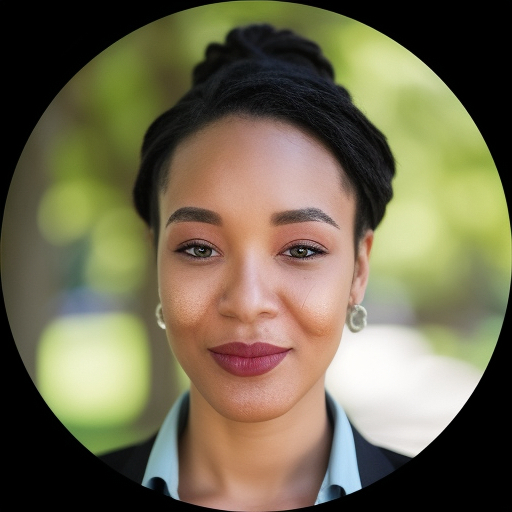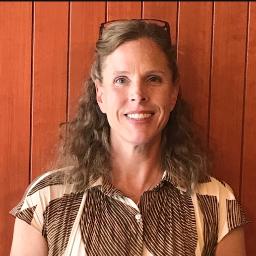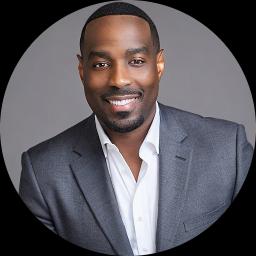
Evalee Smith
LISW, LCSW, CSW
Compassionate clinical social worker focusing on attachment
- Stress, Anxiety
- Parenting
- Anger
Attachment-based therapy directory
76 therapists in this directory list Certified Social Worker (CSW). Registration details are shown as each therapist lists them; the body's own public register is the place to check a number.
A Certified Social Worker (CSW) is a social work professional who has met specific education and certification standards to provide social work services. Below you can browse verified CSW therapists to compare credentials, specialties, languages, and experience.
LISW, LCSW, CSW
Compassionate clinical social worker focusing on attachment
LICSW, LCSW, CSW
Supportive therapy for life transitions and attachment
LCSW, CSW
Healing through attachment and practical tools
LCSW, CSW
Warm, practical therapy for life’s hard moments
LCSW, CSW
Compassionate support for attachment and life stressors
LCSW, CSW
Therapist focused on life transitions and relationships
LCSW, CSW
Experienced LCSW focused on lasting change
LCSW, CSW
Compassionate clinician focusing on attachment and change
LCSW, CSW
Compassionate therapist focused on attachment and coping
LCSW, CSW
Compassionate therapist focused on relationships and coping
LCSW, CSW
Calm, practical support for anxiety and life transitions
LCSW, CSW
Compassionate, practical care for life stressors
LCSW, CSW
Warm LCSW focusing on attachment and coping
LCSW, CSW
Therapist focusing on attachment and practical skills
LCSW, CSW
Compassionate social worker focused on relationships
LCSW, CSW
Compassionate, practical help for relationship and identity concerns
LCSW, CSW
Compassionate, practical support for relationship and identity concerns
LCSW, CSW
Compassionate LCSW focusing on attachment and coping skills
LISW-CP, LCSW, CSW
Compassionate social worker for life transitions
LCSW, CSW
Calm, practical support for emotional challenges
LCSW, CSW
Practical whole-person therapy for life transitions
LCSW, CSW
Attachment-informed therapist focused on practical change
LCSW, CSW
Attachment-focused LCSW with practical tools
LCSW, CSW
Compassionate attachment-informed therapy for life changes
LCSW, CSW
Compassionate support for attachment and life transitions
LICSW, LCSW, CSW
Calm guidance for stress, trauma, and parenting
LICSW, LCSW, CSW
Compassionate social worker focused on attachment patterns
LCSW, CSW
Supportive licensed social worker
LMSW, LCSW, CSW
Compassionate clinical social worker focused on attachment
LCSW, CSW
Compassionate therapy grounded in attachment insights
LCSW, CSW
Compassionate therapist for life’s hard moments
LCSW, CSW
Practical, attachment-informed social worker
LCSW, CSW
Practical, compassionate therapy for life challenges
LCSW, CSW
Attachment-informed therapist using practical skills
LCSW, CSW
Practical support for stress and relationship strain
LCSW, CSW, LICSW
Healing rooted in connection
LCSW, CSW
Compassionate attachment-informed care
LCSW, CSW
Compassionate, practical support for adult challenges
LCSW, CSW
Warm, practical therapy for connection and coping
LCSW, CSW
Seasoned LCSW guiding steady, practical support
LCSW, CSW
Practical, relational therapy for adults
LCSW, CSW
Calm, practical therapy rooted in attachment
LCSW, CSW
Restoring connection and helping you cope
Some links on this page are partner links. We will earn a commission if you sign up through one, at no cost to you. It does not change what you pay or the order of the listings.
The Certified Social Worker, or CSW, designation signals that a clinician has completed defined academic and credentialing steps in the field of social work. Exact requirements for the CSW title vary by state and licensing body, but the credential generally indicates at minimum a graduate-level social work education and a formal recognition process. In many places the CSW is distinct from other social work licenses and may reflect certification in community practice, school social work, or foundational clinical preparation depending on local regulations.
If you are exploring providers, you will often find that people who list CSW alongside their credentials have completed a Master of Social Work (MSW) or an equivalent graduate degree. Some jurisdictions also require supervised fieldwork or internship hours as part of degree completion. Additional state-level steps can include an application, fees, and official confirmation from a licensing board. Because the label can be used differently across states, it helps to consider CSW as an indicator of graduate social work education combined with a formal credentialing step rather than a single uniform standard nationwide.
A CSW typically practices in roles that draw on social work knowledge about systems, family dynamics, resource navigation, and psychosocial assessment. You can expect a CSW therapist to help with emotional concerns, relationship issues, life transitions, and connection to community resources. In many settings CSW professionals provide counseling, case management, advocacy, and support for navigating schools, workplaces, or health services. The exact scope of services a CSW may offer depends on local regulations and whether additional credentials or supervised clinical experience are documented.
There are other social work credentials that emphasize clinical practice more explicitly. Licenses such as Licensed Clinical Social Worker (LCSW) or equivalent require specific supervised clinical hours and exam passage in many places, which can allow for independent clinical diagnosis and certain practice privileges. A CSW may represent an earlier step in the licensure pathway or a different focus, such as community or school social work. When choosing a therapist, note the differences in listed credentials and ask about the kinds of services each provider is qualified to perform according to their state board or professional oversight.
CSW therapists frequently work across a range of concerns that intersect social systems and mental health. You may encounter CSW professionals who emphasize family and relationship issues, child and adolescent wellbeing, geriatric support, or work with people facing housing, employment, or legal challenges. Many also support people experiencing stress related to life changes, grief, parenting, or identity development. CSW clinicians often bring an ecological perspective, looking at how community, family, and institutional factors influence wellbeing.
When reading profiles, you will see therapists who list a variety of approaches among their methods. Some CSW therapists list cognitive-behavioral strategies, psychodynamic concepts, mindfulness-informed work, trauma-informed practices, or attachment-focused approaches among their approaches. Listing an approach does not guarantee formal certification in that method. If a particular method is important to you, you can ask how a therapist integrates those ideas into sessions and what experience they have using that approach with people who have concerns like yours.
To verify that someone holds a CSW credential, start with the state licensing board or the official certification body that governs social work in the clinician's jurisdiction. Many boards provide online license lookup tools where you can enter a clinician's name and see active credentials, expiration dates, and any public disciplinary information. If online lookup is not available, a phone call or email to the licensing board can provide the same confirmation. You can also request documentation directly from the therapist, such as a license number or the name of the board that issued the credential.
Because the CSW title is used differently across states, look closely at the credential description and any limits on practice noted by the board. Check for an active status and an expiration or renewal date. If you see other designations listed with the clinician, verify those separately if they matter to your decision. Verification will also help you understand whether the CSW is a clinical credential in that state or a nonclinical certification, which affects the range of services the therapist can provide under local law.
Choosing a CSW therapist can mean working with someone who has focused training in social work perspectives - that is, attention to both individual concerns and the larger systems that affect them. CSW therapists often bring strengths in resource navigation, advocacy, and integrating social context into therapeutic work. If you are seeking support that blends counseling with help connecting to community, schools, or social services, a CSW may be a good fit for that broad approach.
Begin by clarifying your priorities - whether you want help with relationships, parenting, trauma-related coping, or linking to community resources. Read therapist profiles for listed specialties, years of experience, languages spoken, and the approaches they mention. Use the verification steps above to confirm the CSW credential's status and the scope of practice in the clinician's state. Consider scheduling an initial conversation to get a sense of the therapist's style, how they work, and whether their experience aligns with your needs. You can ask how they typically structure sessions, how they incorporate the approaches they list, and what goals they commonly address with people in situations like yours. Trust your judgment about whether you feel understood and respected during that first interaction.
Finally, think about practical considerations such as session format, communication preferences, and whether you prefer someone with experience in particular cultural or life contexts. Matching on those factors often matters as much as credential type. Taking time to verify credentials and to explore how a therapist frames their work will help you find a CSW clinician whose skills and approach fit your priorities and goals.