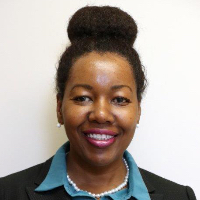
- Licensed inGeorgia, North Carolina
- LicenseCSW004869, C005771
- NPI 1932371580
- Experience14+ years
- LanguagesEnglish
Details are as listed on the therapist's public professional profile. You can check any license with the state board and any NPI with the national registry.
About Tamara
Dr. Tamara Woods is a licensed clinical social worker who focuses on helping adults navigate stress, anxiety, grief, relationship struggles, and major life changes. She brings 14 years of clinical experience and a direct, compassionate approach to each session.
Her goal is to create a calm, respectful space where people can talk about what matters to them and find clearer ways forward. She uses Attachment-Based Therapy alongside client-centered methods to explore how early bonds affect current relationships.
Background and approach
Cognitive Behavioral Therapy helps people recognize and change unhelpful thoughts and behaviors. Motivational Interviewing and solution-focused work guide short-term goals and practical steps when clients want focused change. In sessions she listens for patterns that keep problems stuck and offers straightforward, concrete tools to try between meetings.
Conversations often include skill building for managing strong feelings, improving communication, and pacing life transitions so stress feels more manageable. She also helps people sort through issues related to identity, intimacy, parenting concerns, and career decisions. Dr.
Woods holds the LCSW and CSW credentials and practices in North Carolina. She pairs clinical knowledge with plain language so people understand the why behind each suggestion. Her style is collaborative; she helps people set realistic goals and adjusts methods as needs shift.
People who want a warm, problem-solving approach that respects their pace may find her practical focus helpful. Sessions are offered in English and designed to fit individual goals and daily life.
Credentials
- LCSW (Georgia)
- License CSW004869 · expires September 2026
- LCSW (North Carolina)
- License C005771 · expires August 2027
- NPI
- 1932371580 · national provider identifier
Both are public records. A state board register will confirm a license and its standing, and the national registry will confirm an NPI. This directory copies what the therapist lists and checks neither.
Focus areas and approaches
Everything Tamara lists on their public professional profile, in their own terms.
- Stress, Anxiety
- Relationship issues
- Grief
- Bipolar disorder
- Depression
- Addictions
- LGBT
- Family conflicts
- Trauma and abuse
- Intimacy-related issues
- Parenting issues
- Anger management
- Self esteem
- Career difficulties
- Coping with life changes
- Coaching
- ADHD
- Abandonment
- Adoption and foster care
- Aging and geriatric issues
- Attachment issues
- Blended family issues
- Caregiver issues and stress
- Control issues
- Divorce and separation
- Domestic violence
- Family problems
- Forgiveness
- Guilt and shame
- Isolation / loneliness
- Life purpose
- Midlife crisis
- Veteran and Armed Forces Issues
- Money and financial issues
- Mood disorders
- Multicultural concerns
- Obsessions, compulsions, and OCD
- Panic disorder and panic attacks
- Paranoia
- Personality disorders
- Phobias
- Post-traumatic stress
- Prejudice and discrimination
- Self-love
- Social anxiety and phobia
- Traumatic brain injury
- Women's issues
Approaches Tamara names
- Attachment-Based Therapy
- Client-Centered Therapy
- Cognitive Behavioral Therapy (CBT)
- Motivational Interviewing
- Solution-Focused Therapy
Naming an approach is not evidence of training in it. This directory copies what each therapist lists and does not check training records.
Online support
How attachment and practical approaches translate online
Attachment-Based Therapy looks at how early connection patterns shape current relationships and emotional reactions. Online sessions can be used to notice those patterns, practice new ways of relating, and strengthen a sense of safety in close connections. Client-Centered Therapy focuses on listening, empathy, and following the client's lead so people feel heard and understood; this approach helps when someone needs space to make sense of their feelings. Cognitive Behavioral Therapy (CBT) identifies unhelpful thoughts and teaches concrete strategies to change behaviors and mood, which is useful for anxiety, depression, and stress management.Choosing the best approach is part of the work together. The therapist will discuss goals, try methods that match those goals, and adjust the plan as progress is made. This collaborative process helps tailor sessions to what the client finds most useful.
Online formats include video calls, phone sessions, live chat, and text-based messaging. Video calls allow face-to-face conversation and visual cues, phone sessions can fit a short break from work or require less bandwidth, live chat is helpful for focused check-ins, and text messaging supports ongoing reflection between meetings. These options make it easier to fit therapy into a busy life and to continue work when travel or scheduling would otherwise be a barrier.
We will earn a commission if you sign up through our link, at no cost to you. It does not change what you pay or the order of the listings.
Frequently asked
What concerns does she help with?
She works with adults on stress, anxiety, depression, grief, addiction, bipolar concerns, relationship and intimacy issues, parenting worries, career challenges, and related life changes.
How would you describe her therapeutic style?
Her style is collaborative and practical. She blends attachment-informed listening with client-centered and solution-focused strategies to set workable goals.
What is her professional background?
She has 14 years of clinical experience as a licensed social worker and more than two decades working with families in various roles.
What credentials and location are on record?
She holds LCSW and CSW credentials and practices in North Carolina.
Which languages are sessions offered in and are international clients accepted?
Sessions are offered in English. International clients are not currently accepted.
What session formats are available?
She offers video calls, phone sessions, live chat, and text-based messaging to suit different needs and schedules.
How is cost handled for sessions?
Cost varies by location and therapist availability; sessions are offered through a subscription model that can be canceled at any time.
What steps are involved in getting started?
Begin by selecting the Start Therapy button, complete a short matching questionnaire, and then schedule sessions according to therapist availability.
More therapists in North Carolina
See all
Michele Howard
LMFT
Therapist focused on attachment and relationships
- Stress, Anxiety
- Relationship
- Family

Amy Penley
LMFT
Compassionate LMFT focusing on attachment and healing
- Stress, Anxiety
- Relationship
- Trauma and abuse

Margaret Hormenoo
LCMHC
Compassionate counselor for life transitions
- Stress, Anxiety
- Relationship
- Grief
Is this your profile?
Ask us to correct details or take the page down.
Contact us