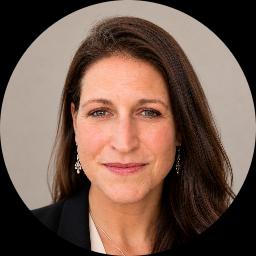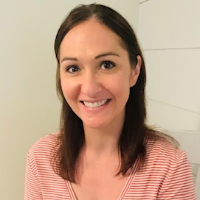
Evalee Smith
LISW, LCSW, CSW
Compassionate clinical social worker focusing on attachment
- Stress, Anxiety
- Parenting
- Anger
Attachment-based therapy directory
49 therapists in this directory list Licensed Independent Social Worker (LISW). Registration details are shown as each therapist lists them; the body's own public register is the place to check a number.
A Licensed Independent Social Worker (LISW) is a clinical social work license indicating advanced education and supervised clinical experience in psychotherapy. Browse verified LISW therapists below to review their credentials, approaches, and focus areas.
LISW, LCSW, CSW
Compassionate clinical social worker focusing on attachment
LISW
Compassionate attachment-focused social worker
LISW
Compassionate social worker focused on attachment
LCSW, LISW
Compassionate clinician with long community practice
LISW
Compassionate therapy grounded in attachment insights
LISW
Supportive social worker focused on attachment needs
LISW, LCSW
Seasoned social worker focused on attachment and coping
LCSW, LISW
Insightful support for adult mental health
LISW
Attachment-informed care for everyday struggles
LISW
Compassionate, attachment-informed social worker
LCSW, LISW
Gentle, relationship-focused clinical social worker
LISW, LCSW
Calm, experienced clinical social worker
LISW, LCSW
Compassionate, experienced clinical social worker
LISW, LCSW
Compassionate, practical therapy focused on relationships
LISW
Compassionate social worker focused on attachment
LCSW, LISW
Compassionate therapist focused on attachment and healing
LCSW, LISW
Attachment-informed therapist focused on healing and skills
LISW
Experienced LISW focused on attachment and recovery
LCSW, LISW
Attachment-focused clinician helping adults
LISW
Compassionate social worker helping people find direction
LISW
Practical, attachment-informed care for everyday struggles
LISW
Attachment-focused care for stress and trauma
LISW
Calm, practical care for emotional repair
LISW
Practical, relationship-focused therapy for life's stresses
MD, LCSW-C, LISW
Experienced clinician focused on attachment and practical change
LISW, LIMHP
Warm, practical therapy for stress and trauma
LCSW, LISW
Therapist focused on relationships and coping
LISW
Compassionate, practical therapy for everyday struggles
LISW
Helping people rebuild stable connections
LISW
Attachment-informed therapist focused on relationships and healing
LCSW, LISW
Compassionate guidance for steady emotional progress
LISW
Helping people piece together loss and relationships
LCSW, LISW
Calm, practical therapy for everyday struggles
LISW
Practical support for relationship and life stress
LCSW, CSW, LISW
Experienced attachment-informed LCSW
LCSW, LISW
Attachment-focused therapist with practical tools
LISW, LICSW
Compassionate, practical therapy for real-life struggles
LISW
Experienced LISW focused on women's mental health
Some links on this page are partner links. We will earn a commission if you sign up through one, at no cost to you. It does not change what you pay or the order of the listings.
A Licensed Independent Social Worker, often abbreviated as LISW, denotes a social worker who has completed graduate-level social work education and met state-specific requirements for clinical practice. Typically you will find that an LISW holds a Master of Social Work degree or, less commonly, a doctoral degree in social work. After graduate school, an aspiring LISW completes a period of supervised clinical experience under the oversight of a licensed clinician, then passes a state examination and any additional state board requirements. These steps are designed to ensure that the professional has acquired knowledge of clinical assessment, therapeutic techniques, ethics, and practice standards that guide work with individuals, couples, families, and groups.
Because licensure rules vary by state, the exact title and path can differ. Some states use the LISW designation, while others use similar titles that indicate independent clinical social work practice. When you encounter the LISW credential, it signals a recognized entry point for clinicians who provide psychotherapy as a primary part of their work.
An LISW is trained to conduct clinical assessments, develop treatment plans, and use psychotherapeutic approaches to address emotional and relational concerns. Compared with nonclinical social work licenses, an LISW is authorized in many jurisdictions to practice independently without ongoing supervision. That means you may work with an LISW for therapy, case formulation, and interventions that focus on mental health and relational functioning. The LISW credential differs from licenses in psychology, counseling, or marriage and family therapy in its training emphasis, which is rooted in social work perspectives on systems, environment, and social determinants of well-being.
If you are comparing license types, keep in mind that professional titles do not always reflect the exact services offered. A licensed psychologist may have doctoral training, while counselors hold different graduate degrees and licensure pathways. What matters for your search is how each clinician describes their focus areas, populations served, and therapeutic approaches. Many LISWs combine clinical practice with community-based insights, which can be especially helpful if your concerns involve social systems, family dynamics, or life transitions that intersect with social supports.
LISW therapists frequently work across a wide range of clinical areas. You may find LISWs who list experience with anxiety, depression, trauma, grief, life transitions, family and relationship challenges, parenting concerns, and stress related to caregiving or work. Because social work education emphasizes systems thinking, some LISWs specialize in family systems, child and adolescent issues, or work with older adults. Others highlight community and social-contextual concerns such as housing, employment stress, immigration-related adjustment, or support for people navigating healthcare systems.
Therapeutic approaches noted by LISWs can include psychodynamic-informed work, cognitive and behavioral methods, narrative and relational approaches, and therapies that focus on attachment and interpersonal patterns. Keep in mind that when a therapist lists a modality, it indicates the approach they use in practice rather than a verified certification. If a particular method matters to you, look at how the clinician describes how they apply that approach in their work and whether their stated focus aligns with your needs.
Verifying a LISW credential is a straightforward process that helps you feel confident about a clinician's professional standing. Most states maintain an online licensure board or registry where you can search by name and license number to confirm that the license is active and to view any public information about disciplinary actions or restrictions. If a therapist lists a license number on their profile, you can use that number as a search term on the relevant state board website. If a number is not listed, you can still search by the clinician's full name and state of practice.
In addition to state boards, many clinicians include information about their education and supervised experience on their bios. You can read those sections to understand the clinician's background, the populations they highlight, and the therapeutic approaches they mention. If anything is unclear, it is reasonable to ask a clinician or their office for the state and license number so you can verify the information directly. This kind of verification helps you assess that a clinician meets statutory requirements for independent clinical practice in their jurisdiction.
Choosing a therapist with an LISW credential can bring certain advantages depending on what you need. LISWs are trained to consider individual concerns within larger social and environmental contexts, which can be valuable if you are dealing with issues that intersect with family systems, community resources, or roles like caregiving. Their background in social work often means they are comfortable coordinating with other services and understanding how social supports can influence mental health. For many people, that broad perspective helps make therapy feel more connected to the real-world challenges they face.
Another practical benefit is that LISWs are commonly prepared to work with diverse populations and to attend to cultural, socioeconomic, and systemic factors that affect well-being. When you want a clinician who integrates an understanding of relationships, social roles, and practical life demands into therapeutic work, an LISW may offer an approach that resonates with your needs.
Finding the right LISW often starts with clarifying what you want from therapy. Think about whether you are seeking support for short-term problem solving, longer-term exploration of patterns and relationships, or help navigating systems like schools or healthcare. When you review clinician profiles, look at how they describe their focus areas, populations served, and the ways they explain their therapeutic approach. This will give you a sense of whether their perspective aligns with your goals.
Pay attention to practical factors that affect fit beyond credentials. Consider the populations the clinician highlights, the life stages they emphasize, and the languages in which they offer services. Read any available bios to understand how they frame their work with clients and what outcomes they aim to support. If a specific modality is important to you, look for clinicians who list that approach among their methods and who describe how they use it. Finally, trust your impressions when you read a clinician's description - a clear and thoughtful bio often indicates how they communicate in sessions as well. Taking a few minutes to compare profiles and to verify licensure will help you identify an LISW who matches both your clinical needs and your personal preferences.