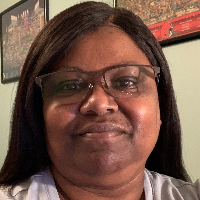
Dr. Ulia Fisher
LIMFT, LPCC
Practical, relational therapy for everyday struggles
- Stress, Anxiety
- Relationship
- Family
Attachment-based therapy directory
55 therapists based in Ohio name attachment-based therapy among the ways they work. Sessions are online; a therapist can usually only see people in the states where they hold a license, so check the license line on each profile.
Welcome to Attachment Therapists' Ohio directory for online therapy. All therapists listed here are licensed in Ohio - explore the profiles below to compare focus areas, therapeutic approaches, credentials and languages.
LIMFT, LPCC
Practical, relational therapy for everyday struggles
LISW
Compassionate attachment-focused social worker
LPCC
Helping people rebuild stable relationships and coping skills
LISW
Compassionate therapy grounded in attachment insights
LPCC
Warm, practical therapy for stress and trauma
LPCC
Attachment-informed therapist offering trauma care
LPCC, LPC
Hope-centered counselor focused on relationships
LISW
Attachment-informed care for everyday struggles
LPCC
Compassionate counselor who focuses on relationships and coping
LISW, LCSW
Compassionate, experienced clinical social worker
LISW, LCSW
Compassionate, practical therapy focused on relationships
LPCC
Calm, practical support for real-life struggles
LISW
Compassionate social worker focused on attachment
LPCC
Compassionate counseling for life’s hard moments
LCSW, LISW
Attachment-informed therapist focused on healing and skills
LPCC
Practical, relationship-focused counseling for everyday struggles
LIMFT
Practical therapy rooted in attachment patterns
LISW
Experienced LISW focused on attachment and recovery
LPCC
Practical, experienced counselor focused on relationships and coping
LPCC
Compassionate, steady care for life’s hard moments
LISW
Compassionate social worker helping people find direction
LCSW, LICSW
Compassionate support for stress and life changes
LPCC
Experienced Ohio LPCC focusing on attachment
LISW
Attachment-focused care for stress and trauma
LPCC
Therapist focusing on attachment and practical skills
LPCC
Practical, attachment-informed counseling for life changes
LISW
Calm, practical care for emotional repair
LPCC
Compassionate counselor who focuses on relationships
LISW
Practical, relationship-focused therapy for life's stresses
LCPC, LIMHP
Compassionate counselor focused on relationships and coping
LPCC
Helping people find clearer connection and calm
LPCC
Attachment-informed counselor blending insight and skills
LPCC
Direct, practical therapy for deep change
LCSW, LISW
Therapist focused on relationships and coping
LISW
Helping people rebuild stable connections
LISW
Attachment-informed therapist focused on relationships and healing
LISW
Helping people piece together loss and relationships
LCSW, LISW
Calm, practical therapy for everyday struggles
LISW
Practical support for relationship and life stress
Some links on this page are partner links. We will earn a commission if you sign up through one, at no cost to you. It does not change what you pay or the order of the listings.
Online therapy in Ohio has become a common way to access mental health and relationship support without traveling to an office. State licensing rules mean that therapists who work with Ohio residents are licensed to practice in Ohio, which helps define the scope of care you receive. Many clinicians describe their work in terms of attachment, trauma, couples counseling, family systems, perinatal mental health and other focus areas. You will see profiles that list specific methods and theoretical orientations, such as cognitive behavioral strategies, psychodynamic perspectives, somatic approaches or therapists who list EMDR among their approaches. Those listings describe how a therapist frames their work rather than serving as proof of particular certifications.
When you seek online therapy you will notice differences in session format, technology and how clinicians describe their practice. Some therapists use video as the primary method, while others may combine video with phone check-ins or supplemental written work. Therapists will often note client populations they work with - for example adolescent clients, adults, couples or families - and may list languages they speak and populations they prioritize. Understanding these distinctions helps you match a therapist’s profile to what you want from counseling.
Choosing online therapy can remove barriers that make it hard for you to attend regular sessions. You may save commute time and be able to schedule around work, school and family obligations more easily when sessions are remote. For people living in rural parts of Ohio, online therapy can broaden the pool of clinicians you can access beyond your local area. That broader access can be especially helpful if you are seeking a therapist who lists experience with attachment-focused work, specific trauma approaches or bilingual services.
Online therapy also offers flexibility in how you work. Some people prefer shorter, more frequent check-ins while others want traditional weekly sessions. You can look for clinicians who describe their session length and frequency on their profile. Remote sessions may feel more convenient if mobility, transportation or childcare are concerns. At the same time, online therapy requires reliable internet and a quiet place to talk, so thinking ahead about the environment where you will join sessions will help you get the most out of the work.
Therapists in Ohio who offer online services address a wide range of concerns. Many profiles indicate work with anxiety and depression, which often involves supporting you with coping strategies, emotional regulation and exploring patterns that contribute to distress. Attachment-focused counselors tend to help people understand relational patterns that shape how you connect with partners and family members, which can include work on boundaries, communication and repair after conflict.
Clinicians who list trauma among their approaches may provide work aimed at reducing the impact of past events on daily functioning and relationships. Couples work is frequently offered online, focusing on improving communication, resolving recurring conflicts and strengthening connection. Other common areas include parenting support, life transitions, identity and cultural issues, grief and loss, and stress related to work or caregiving. When browsing profiles, pay attention to the ways clinicians describe the issues they regularly address and the client populations they name, as those signals help you decide whether a therapist’s experience aligns with what you want to work on.
Before you begin working with someone online, it is reasonable to confirm that the clinician is licensed in Ohio. The Ohio Counselor, Social Worker, and Marriage and Family Therapist Board maintains public license records that you can search by name or license number. Those records typically indicate license type, issuance and expiration dates, and whether the board has taken any public disciplinary action. Reviewing a license record helps you confirm that the clinician is authorized to practice in Ohio and gives you basic professional information that supports an informed choice.
License records do not describe a therapist's clinical approach in detail, but they do clarify legal standing and the license category under which the clinician practices. If a profile lists an approach such as EMDR, internal family systems or trauma-focused work, understand that those are descriptions of practice preferences rather than formal endorsements by the licensing board. If you want more context about a therapist's experience, you can look for written summaries on their profile, note any graduate degrees or supervised experience they list, and ask targeted questions during an initial conversation.
Getting started begins with clarifying what you hope to change or achieve through therapy. Spend some time thinking about a few goals you would like to address and jot down questions about approach, session structure, fees and whether the therapist works with issues similar to yours. Review therapist profiles to narrow your choices based on the populations and approaches they list, the languages they offer, and practical details such as session length and fees if those are provided.
When you connect with a clinician, you can expect a preliminary conversation where you discuss your goals and ask about how they work. Many therapists describe their intake process on their profile, but you can also ask how they structure initial sessions and what they recommend for early work. If you use insurance, ask whether the clinician lists a credential type that is covered by your plan and whether they provide the documentation you need. It is also useful to clarify how they handle emergencies and whether they can refer you to local in-person care if needed. These practical questions will give you a clearer sense of how the clinician works and whether their approach matches your needs.
Choosing a therapist involves matching both expertise and personal fit. Start with the issues you want to address and look for clinicians who list relevant focus areas and describe approaches that make sense to you. Consider credentials and professional background as part of the picture, and pay attention to whether a therapist mentions experience with populations or life circumstances similar to yours. Language and cultural sensitivity can be important factors - if you prefer to work with someone who shares a cultural background or speaks a certain language, filter profiles accordingly.
Your comfort level with a clinician’s communication style is also important. Many people notice that a therapist’s tone in their profile or during an introductory call gives a strong clue about fit. Think about practical elements too - session length, technology used, fees and whether the clinician offers the format of care you prefer. Trust your judgment if something feels off, and remember that it is normal to try more than one clinician before you find the person who feels right for the work you want to do. Taking the time to review profiles, verify licensure through the state board, and prepare thoughtful questions will help you make an informed choice and begin work that supports your goals.