
Amira King, LCSW
Therapist in Nevada
Amira King is a Licensed Clinical Social Worker (LCSW) who uses attachment-based ideas alongside practical therapies to help people who feel stuck.
- Licensed inNevada
- License11675-C
- NPI 1912472903
- Experience3+ years
- LanguagesEnglish
Details are as listed on the therapist's public professional profile. You can check any license with the state board and any NPI with the national registry.
About Amira
Amira King is a Licensed Clinical Social Worker (LCSW) who uses attachment-based ideas alongside practical therapies to help people who feel stuck. She draws on three years of clinical experience supporting people facing anxiety, depression, mood disorders, and trauma. Amira keeps sessions straightforward and focused on real-life change.
Her work often centers on how early relationships shape current patterns. She helps clients understand attachment issues, abandonment wounds, and how these show up in trust and intimacy.
Background and approach
Therapy includes skills for managing panic, mood swings, and overwhelming emotions. Amira also uses cognitive behavioral techniques to change unhelpful thinking. She teaches concrete coping tools for stress, anger, and impulsivity.
For people processing grief, abuse, or complex trauma, she incorporates trauma-focused strategies to reduce distress and build resilience. She offers support around relationship concerns and issues tied to sexuality, identity, and loneliness. Addictions, chronic illness or pain, and life-purpose questions are also part of her focus.
Sessions aim to strengthen self-esteem, reduce shame, and improve communication. Amira practices in Nevada and works in English. She provides therapy through video calls, phone sessions, live chat, and text-based messaging.
Getting started involves a short matching questionnaire and scheduling a time that fits your needs.
Credentials
- LCSW (Nevada)
- License 11675-C · expires September 2026
- NPI
- 1912472903 · national provider identifier
Both are public records. A state board register will confirm a license and its standing, and the national registry will confirm an NPI. This directory copies what the therapist lists and checks neither.
Focus areas and approaches
Everything Amira lists on their public professional profile, in their own terms.
- Stress, Anxiety
- Relationship issues
- Trauma and abuse
- Bipolar disorder
- Depression
- Addictions
- LGBT
- Grief
- Intimacy-related issues
- Anger management
- Self esteem
- Coping with life changes
- Abandonment
- Attachment issues
- Chronic pain, illness, and disability
- Communication problems
- Forgiveness
- Guilt and shame
- Impulsivity
- Isolation / loneliness
- Life purpose
- Mood disorders
- Narcissism
- Panic disorder and panic attacks
- Post-traumatic stress
- Self-love
- Sexuality
- Social anxiety and phobia
Approaches Amira names
- Attachment-Based Therapy
- Acceptance and Commitment Therapy (ACT)
- Cognitive Behavioral Therapy (CBT)
- Dialectical Behavior Therapy (DBT)
- Eye Movement Desensitization and Reprocessing (EMDR)
- Mindfulness Therapy
- Motivational Interviewing
- Internal Family Systems
Naming an approach is not evidence of training in it. This directory copies what each therapist lists and does not check training records.
Online support
Attachment-focused work and online therapy options
Attachment-Based Therapy looks at how early relationships affect how people connect today, helping clients spot patterns that lead to anxiety, avoidance, or trouble with intimacy. It helps when someone wants to understand why they repeat the same relationship dynamics and how to build safer ways of relating.Acceptance and Commitment Therapy, or ACT, teaches people to notice hard thoughts and feelings without getting stuck in them, then act in ways that match their values. ACT is useful for anxiety, depression, and life changes where avoidance gets in the way. Cognitive Behavioral Therapy, or CBT, focuses on clear links between thoughts, feelings, and actions and teaches concrete techniques to change unhelpful thinking and behavior, which can reduce panic, low mood, and impulsivity.
Choosing the right approach is a team effort. The therapist will talk with the client about goals, symptoms, and preferences, and suggest which methods to try first. Plans can be adjusted as progress is made and new issues come up.
Online therapy here uses video calls, phone sessions, live chat, and text-based messaging to make care flexible. Video is good for deeper conversation and visual cues. Phone sessions can fit a work break or quieter timing. Live chat and text work for shorter check-ins, regular skill practice, or when typing feels easier than speaking. These options help people access therapy from different locations and schedules, and make it easier to keep consistent appointments.
We will earn a commission if you sign up through our link, at no cost to you. It does not change what you pay or the order of the listings.
Frequently asked
What kinds of concerns does Amira help with?
She works with stress, anxiety, depression, mood disorders like bipolar, trauma and abuse, grief, substance concerns, and relationship and intimacy-related issues.
How would you describe her therapeutic style?
Her approach is compassionate and collaborative, combining attachment-based ideas with CBT, DBT, ACT, and trauma-focused techniques to teach practical skills and insight.
What is her clinical background and experience?
She is a Licensed Clinical Social Worker with three years of experience helping people navigate complex emotional and behavioral issues.
Where is she licensed and based?
She holds an LCSW credential in Nevada and practices with clients in that state.
Which languages are offered in sessions?
Sessions are offered in English.
What session formats are available?
Therapy is offered via video calls, phone sessions, live chat, and text-based messaging to suit different preferences.
How does cost and billing work?
Cost varies with location and therapist availability; sessions use a subscription model that can be canceled at any time.
How do I begin working with her?
Click the Start Therapy button, complete a short matching questionnaire, and schedule a session according to the therapist's availability.
More therapists in Nevada
See all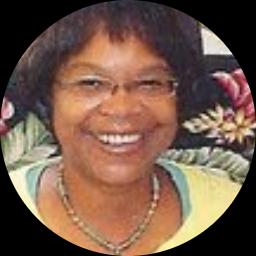
Genotra Brown
LMHC, LCPC
Practical support for stress and life change
- Stress, Anxiety
- Self esteem
- Depression


Laurie Jones
LMFT
Compassionate therapist for attachment and life changes
- Stress, Anxiety
- Addictions
- Relationship
Is this your profile?
Ask us to correct details or take the page down.
Contact us