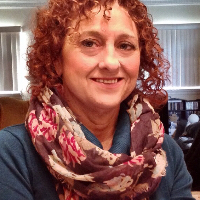
Debra Kabrin, LMFT
Therapist in California
Debra Kabrin is a Licensed Marriage and Family Therapist (LMFT) based in California who uses attachment-based ideas to guide her work.
- Licensed inCalifornia
- License48036
- NPI 1982179636
- Experience3+ years
- LanguagesEnglish
Details are as listed on the therapist's public professional profile. You can check any license with the state board and any NPI with the national registry.
About Debra
Debra Kabrin is a Licensed Marriage and Family Therapist (LMFT) based in California who uses attachment-based ideas to guide her work. She brings a warm, caring approach and focuses on helping people manage stress, anxiety, depression, and relationship concerns. She also supports clients facing grief, parenting strain, intimacy questions, and career or life transitions.
Her method is centered on understanding how close relationships shape feelings and behavior. That perspective is paired with client-centered conversations that put the person's goals first.
Background and approach
She also uses solution-focused techniques to identify practical steps clients can try between sessions. Debra has three years of experience in this role and works with a wide range of concerns including trauma and abuse, compassion fatigue, multicultural issues, and attachment-related struggles. She also helps people dealing with aging and geriatric concerns, blended family dynamics, caregiver stress, and communication problems.
Sessions are tailored to each person’s needs, with an emphasis on clear, compassionate listening and straightforward, achievable goals. Her style is described as supportive and sensitive to differences in race, religion, and gender. To begin, clients choose a time and schedule an initial appointment through the platform.
Debra uses video calls, phone sessions, live chat, and text-based messaging as session formats and works with each person to find what fits best.
Credentials
- LMFT (California)
- License 48036 · expires May 2027
- NPI
- 1982179636 · national provider identifier
Both are public records. A state board register will confirm a license and its standing, and the national registry will confirm an NPI. This directory copies what the therapist lists and checks neither.
Focus areas and approaches
Everything Debra lists on their public professional profile, in their own terms.
- Stress, Anxiety
- Relationship issues
- Family conflicts
- Trauma and abuse
- Depression
- LGBT
- Grief
- Intimacy-related issues
- Parenting issues
- Anger management
- Self esteem
- Career difficulties
- Coping with life changes
- Compassion fatigue
- Aging and geriatric issues
- Attachment issues
- Blended family issues
- Caregiver issues and stress
- Commitment issues
- Communication problems
- Divorce and separation
- Domestic violence
- Family of origin issues
- Family problems
- Fertility issues
- Intellectual disability
- Life purpose
- Midlife crisis
- Multicultural concerns
- Panic disorder and panic attacks
- Postpartum depression
- Pregnancy and childbirth
- Social anxiety and phobia
- Women's issues
- Workplace issues
- Young adult issues
Approaches Debra names
Naming an approach is not evidence of training in it. This directory copies what each therapist lists and does not check training records.
Online support
How attachment and solution-focused work online
Debra blends attachment-based ideas with client-centered and solution-focused techniques to help people make practical changes. Attachment-based work looks at how past and current relationships affect feelings and behavior, and it can be useful for intimacy issues, attachment concerns, and relationship patterns. Client-centered therapy focuses on listening and understanding the person's goals so sessions are guided by what matters most to them. Solution-focused work narrows in on concrete steps and small experiments to try between sessions, which is helpful for stress, anxiety, and life transitions.Finding the right approach is a collaborative process. The therapist will talk with the client about goals, preferences, and what has or hasn’t helped before. Together they decide which combination of methods to try and adjust the approach as progress is made.
Online sessions make it easier to fit therapy into a busy life. Video calls let people read facial expressions and build rapport, phone sessions work when bandwidth is limited, live chat can be a quick check-in, and text-based messaging supports ongoing reflection between meetings. These options offer flexibility for scheduling, shorter check-ins, and ways to keep working on goals when coming in person is difficult.
We will earn a commission if you sign up through our link, at no cost to you. It does not change what you pay or the order of the listings.
Frequently asked
What kinds of problems does she help with?
She helps people facing stress, anxiety, depression, relationship and family problems, trauma and abuse, grief, and intimacy-related issues.
What is her therapeutic style like?
Her style is warm and supportive, using attachment-based ideas alongside client-centered and solution-focused approaches to set practical goals.
How much clinical experience does she have?
She has three years of experience as a practicing Licensed Marriage and Family Therapist.
Where is she licensed and located?
She holds a California Licensed Marriage and Family Therapist credential - CA LMFT - and practices in California.
Which languages are supported for sessions?
Sessions are offered in English.
What session formats are available?
She meets with clients via video calls, phone sessions, live chat, or text-based messaging depending on needs and preferences.
How is cost handled for sessions?
Costs vary with location and therapist availability; sessions use a subscription model that can be canceled at any time.
How do I get started scheduling an appointment?
Click the Start Therapy button, complete a short matching questionnaire, and then schedule an initial appointment according to the therapist's availability.
More therapists in California
See all
Gian Sarabia
LMFT
Attachment-minded LMFT offering practical support
- Trauma and abuse
- Intimacy-related issues
- Bipolar

Katherine Eldean
LMFT
Calm, practical therapy grounded in attachment
- Stress, Anxiety
- Addictions
- Relationship
Mary Ann Godefroy
LPCC, LPC
Calm, practical therapy for real-life challenges
- Stress, Anxiety
- Addictions
- Relationship
Is this your profile?
Ask us to correct details or take the page down.
Contact us