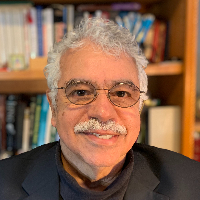
Franklin Cardona, LPC
Therapist in Tennessee
Franklin Cardona is a licensed professional counselor (LPC) in Tennessee with 25 years of experience.
- Licensed inTennessee
- License827
- NPI 1144367459
- Experience25+ years
- LanguagesEnglish, Spanish
Details are as listed on the therapist's public professional profile. You can check any license with the state board and any NPI with the national registry.
About Franklin
Franklin Cardona is a licensed professional counselor (LPC) in Tennessee with 25 years of experience. He helps people dealing with stress, anxiety, addictions, trauma and abuse, depression, and intimacy-related concerns. He also supports people facing relationship and family challenges, parenting pressures, career stress, and major life changes.
Franklin uses a practical, down-to-earth style. He aims to build a warm, working relationship and focuses on what will help in day-to-day life.
Background and approach
Sessions are collaborative and directed by each person's goals and pace. His approach draws on Attachment-Based Therapy, Client-Centered Therapy, cognitive behavioral methods, EMDR, and mindfulness strategies. Those tools are used to address trauma, attachment issues, coping skills, and behavior patterns that keep problems stuck.
Franklin has worked in hospitals and clinics and has long experience with trauma, including work with people affected by PTSD. He brings experience supporting people with eating issues, addictions, mood disorders such as bipolar, and complex conditions that include co-morbidity or chronic illness. He offers services in English and Spanish and welcomes international clients.
Sessions are available by video, phone, live chat, or text messaging, allowing flexibility for different schedules and needs.
Credentials
- LPC (Tennessee)
- License 827 · expires October 2027
- NPI
- 1144367459 · national provider identifier
Both are public records. A state board register will confirm a license and its standing, and the national registry will confirm an NPI. This directory copies what the therapist lists and checks neither.
Focus areas and approaches
Everything Franklin lists on their public professional profile, in their own terms.
- Stress, Anxiety
- Addictions
- Trauma and abuse
- Intimacy-related issues
- Depression
- Relationship issues
- Family conflicts
- Eating disorders
- Parenting issues
- Anger management
- Self esteem
- Career difficulties
- Bipolar disorder
- Coping with life changes
- Abandonment
- Adoption and foster care
- Aging and geriatric issues
- Antisocial personality
- Attachment issues
- Avoidant personality
- Body image
- Chronic pain, illness, and disability
- Co-morbidity
- Codependency
- Communication problems
- Dependent personality
- Dissociation
- Divorce and separation
- Domestic violence
- Drug and alcohol addiction
- Eating and food-related issues
- Emptiness
- Family of origin issues
- Family problems
- Fatherhood issues
- First responder issues
- Forgiveness
- Guilt and shame
- HIV / AIDS
- Hospice and end-of-life counseling
- Immigration issues
- Infidelity
- Jealousy
- Life purpose
- Midlife crisis
- Veteran and Armed Forces Issues
- Money and financial issues
- Mood disorders
- Multicultural concerns
- Narcissism
- Obsessions, compulsions, and OCD
- Panic disorder and panic attacks
- Paranoia
- Personality disorders
- Phobias
- Process addiction (porn, exercise, gambling)
- Seasonal Affective Disorder (SAD)
- Self-love
- Sex addiction
- Sexual dysfunction
- Smoking / vaping cessation
- Social anxiety and phobia
- Traumatic brain injury
Approaches Franklin names
- Attachment-Based Therapy
- Client-Centered Therapy
- Cognitive Behavioral Therapy (CBT)
- Eye Movement Desensitization and Reprocessing (EMDR)
- Mindfulness Therapy
- Motivational Interviewing
- Solution-Focused Therapy
- Trauma-Focused Therapy
Naming an approach is not evidence of training in it. This directory copies what each therapist lists and does not check training records.
Online support
How attachment work and practical therapies translate online
Attachment-Based Therapy focuses on how early connections shape current relationships and emotional patterns. Online sessions can help people notice those patterns, practice new ways of relating, and repair trust or closeness issues through guided conversation and reflective exercises.Client-Centered Therapy centers the person's experience and priorities. The therapist follows the client’s lead, offering empathy and support while helping identify goals and next steps. Cognitive Behavioral Therapy (CBT) looks at thoughts and behaviors that keep problems going and uses short, practical exercises to change them; CBT is useful for anxiety, depression, and habit change.
Finding the right mix of approaches is part of the work. The therapist will collaborate with each person to choose methods that match their needs, goals, and comfort level. That process can change as progress is made and new issues come up.
Online formats include video calls, phone sessions, live chat, and text messaging. Video is good for face-to-face conversation and longer work, phone fits shorter check-ins or low-bandwidth situations, and chat or text can suit quick check-ins, notes between sessions, or people who prefer typing. These options make scheduling easier and help therapy fit work, family, and travel demands.
We will earn a commission if you sign up through our link, at no cost to you. It does not change what you pay or the order of the listings.
Frequently asked
What concerns does Franklin help with?
He works with stress, anxiety, addictions, trauma and abuse, depression, intimacy issues, relationship and family problems, eating issues, parenting strain, anger, self-esteem, career concerns, bipolar disorder, and coping with life changes.
What is his general therapy style?
He uses a warm, practical, and collaborative approach. Sessions focus on building a working relationship and addressing concrete steps that fit each person.
What background and experience does he bring?
He has 25 years of clinical experience, including work in hospitals and clinics and long-term practice with trauma and PTSD.
What are his credentials and where is he based?
He is a licensed professional counselor (LPC) practicing in Tennessee.
Which languages are offered for sessions?
Sessions are offered in English and Spanish, and he is available to work with international clients.
What session formats are available?
He offers video calls, phone sessions, live chat, and text-based messaging to fit different schedules and needs.
How is cost handled for therapy?
Cost varies with location and therapist availability; sessions use a subscription that can be canceled at any time.
How do I begin if I want to work together?
Select the Start Therapy button, complete a short matching questionnaire, and schedule sessions according to therapist availability.
More therapists in Tennessee
See all
Dawn Meadow
LPC
Compassionate counselor helping people rebuild connection
- Stress, Anxiety
- Trauma and abuse
- Parenting
Dr. Edward Varner
LPC-MHSP
Therapist focused on real-life change
- Relationship
- Trauma and abuse
- Self esteem

Linda Hazel
LMFT
Compassionate therapist focused on attachment and healing
- Addictions
- Relationship
- Family
Is this your profile?
Ask us to correct details or take the page down.
Contact us