
- Licensed inMississippi
- License1220
- NPI 1306085253
- Experience15+ years
- LanguagesEnglish
Details are as listed on the therapist's public professional profile. You can check any license with the state board and any NPI with the national registry.
About Fulivia
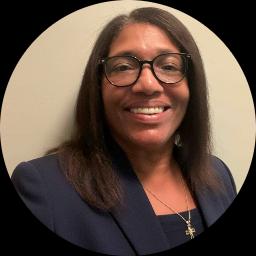
Dr. Fulivia Cannady is a Licensed Professional Counselor who brings 15 years of mental health experience to her work. She offers a calm, client-centered approach and focuses on helping people make practical changes in day-to-day life.
She earned a Bachelor of Science, a Master of Science, and a Doctorate in Counseling Psychology with a specialization in mental and behavioral health. Her background includes work across mental health and social services, giving her experience with a wide range of concerns.
Background and approach
She meets people where they are and emphasizes strengths when planning next steps. Dr. Cannady uses approaches that help people understand relationships and patterns.
She combines talk-based work with skills practice, tailored to concerns like anxiety, stress, depression, addiction, sleep problems, and ADHD. She also supports people facing relationship struggles, body image and eating concerns, and issues tied to abandonment or isolation. Her style is collaborative and practical.
Sessions focus on building insight, learning coping skills, and setting achievable goals. She aims to help clients notice patterns, try new ways of responding, and build a clearer sense of self. People who reach out can expect an encouraging, respectful atmosphere.
Dr. Cannady invites open conversation and works alongside clients to identify small changes that add up to meaningful progress.
Credentials
- LPC (Mississippi)
- License 1220 · expires June 2027
- NPI
- 1306085253 · national provider identifier
Both are public records. A state board register will confirm a license and its standing, and the national registry will confirm an NPI. This directory copies what the therapist lists and checks neither.
Focus areas and approaches
Everything Fulivia lists on their public professional profile, in their own terms.
- Stress, Anxiety
- Addictions
- Relationship issues
- Family conflicts
- Depression
- LGBT
- Eating disorders
- Sleeping disorders
- ADHD
- Abandonment
- Aging and geriatric issues
- Attachment issues
- Blended family issues
- Body image
- Codependency
- Commitment issues
- Communication problems
- Disruptive Mood Dysregulation Disorder (DMDD)
- Divorce and separation
- Family problems
- Impulsivity
- Infidelity
- Isolation / loneliness
- Midlife crisis
- Mood disorders
- Multicultural concerns
- Obsessions, compulsions, and OCD
- Panic disorder and panic attacks
- Paranoia
- Phobias
- Postpartum depression
- Post-traumatic stress
- Prejudice and discrimination
- Self-harm
- Self-love
- Social anxiety and phobia
- Trichotillomania
- Women's issues
- Workplace issues
- Young adult issues
Approaches Fulivia names
- Attachment-Based Therapy
- Acceptance and Commitment Therapy (ACT)
- Client-Centered Therapy
- Cognitive Behavioral Therapy (CBT)
- Dialectical Behavior Therapy (DBT)
- Emotionally-Focused Therapy (EFT)
- Mindfulness Therapy
- Motivational Interviewing
- Solution-Focused Therapy
- Somatic Therapy
- Trauma-Focused Therapy
- Systemic Therapy
Naming an approach is not evidence of training in it. This directory copies what each therapist lists and does not check training records.
Online support
Bringing attachment-aware and skills-based care online
Attachment-Based Therapy looks at how early relationships shape current patterns. It helps people notice how they connect with others and try new ways of relating when old patterns cause pain. Acceptance and Commitment Therapy, or ACT, focuses on clarifying values and building small steps toward them while accepting difficult thoughts and feelings. It can help with anxiety, depression, and stress by shifting what matters most in daily life.Finding the right approach is a collaborative process. The therapist will work with clients to choose methods that match their needs, goals, and preferences. That might mean trying attachment work first, adding ACT skills, or blending brief behavioral tools to address sleep, impulse control, or relationship concerns.
Online therapy provides flexibility through video calls, phone sessions, live chat, and text messaging. Video calls let people meet face-to-face when visual cues help the work. Phone sessions are useful when bandwidth is limited or a shorter check-in fits a break at work. Live chat or text messaging can support ongoing skill practice, brief check-ins, or moments when writing feels easier than speaking. These options make it simpler to fit therapy into a busy life while working toward steady progress.
We will earn a commission if you sign up through our link, at no cost to you. It does not change what you pay or the order of the listings.
Frequently asked
What kinds of concerns does this therapist address?
She helps people facing stress, anxiety, depression, addictions, relationship and family concerns, eating and sleeping problems, ADHD, and LGBT-related issues. Additional focuses include attachment issues, abandonment, body image, and isolation.
What is her general therapy style and approach?
Her work is client-centered and strength-based with a solution focus. She blends attachment-informed perspectives with practical techniques to help people change patterns and reach goals.
How much experience does she bring to sessions?
She has 15 years of experience in mental health and social services, working with a variety of mental, emotional, and behavioral issues across settings.
What are her credentials and where is she located?
She holds the LPC credential, with an MS LPC listed for licensing, and practices in Mississippi.
Can I meet with her if I live outside the United States?
Sessions are offered in English and she accepts international clients as part of her practice.
Which session formats are available?
She offers multiple online formats including video calls, phone sessions, live chat, and text-based messaging to accommodate different needs and schedules.
How does pricing work for sessions?
Cost varies with location and therapist availability; sessions use a subscription model that can be canceled at any time.
What are the first steps to begin therapy?
Start by selecting the Start Therapy button, complete a short matching questionnaire, and then schedule sessions according to the therapist's availability.
More therapists in Mississippi
See all
Jessica Willis
LPC
Compassionate counselor focused on attachment and recovery
- Stress, Anxiety
- Relationship
- Family

Dr. Lashanda Baylor
LPC
Compassionate counselor focused on practical change
- Stress, Anxiety
- Anger
- Depression
Is this your profile?
Ask us to correct details or take the page down.
Contact us