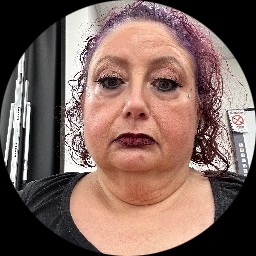
Glenda Dillingham, LMFT
Therapist in California
Glenda Dillingham is a licensed marriage and family therapist with 30 years of experience based in California.
- Licensed inCalifornia
- License36517
- NPI 1164457420
- Experience30+ years
- LanguagesEnglish
Details are as listed on the therapist's public professional profile. You can check any license with the state board and any NPI with the national registry.
About Glenda
Glenda Dillingham is a licensed marriage and family therapist with 30 years of experience based in California. She focuses on common and urgent concerns like stress, anxiety, depression, relationship difficulties, trauma and abuse, and LGBT issues. Her tone in sessions is respectful and compassionate, and she aims to tailor conversation and planning to each person's needs.
In the room she uses attachment-based ideas to look at how early and current relationships shape reactions and expectations.
Background and approach
She also draws on client-centered ways of listening, cognitive behavioral techniques to spot and shift unhelpful thoughts, dialectical behavior skills for emotional coping, and emotionally focused work to strengthen bonding and repair. Sessions are practical and straightforward, not full of jargon.
She has worked across a wide range of life concerns over three decades, including first responder stress, veteran and armed forces issues, gender dysphoria, hospice and end-of-life counseling, and non-monogamous relationship challenges. Glenda pays attention to multicultural and identity-related factors when they matter to the person she is seeing. Therapy is shaped together with each client.
Glenda will build a plan based on what the person wants to change and how they prefer to work. That plan can include skill practice, processing painful memories, and steps to improve daily routines and relationships. Sessions are offered in English and are available for people inside and outside the United States.
Practical arrangements such as video, phone, chat, or messaging can be chosen to fit someone’s schedule and needs.
Credentials
- LMFT (California)
- License 36517 · expires June 2027
- NPI
- 1164457420 · national provider identifier
Both are public records. A state board register will confirm a license and its standing, and the national registry will confirm an NPI. This directory copies what the therapist lists and checks neither.
Focus areas and approaches
Everything Glenda lists on their public professional profile, in their own terms.
- Stress, Anxiety
- LGBT
- Relationship issues
- Trauma and abuse
- Depression
- First responder issues
- Gender dysphoria
- Hospice and end-of-life counseling
- Infidelity
- Jealousy
- Veteran and Armed Forces Issues
- Multicultural concerns
- Obsessions, compulsions, and OCD
- Paranoia
- Personality disorders
- Polyamory / non-monogamous relationships
Approaches Glenda names
- Attachment-Based Therapy
- Client-Centered Therapy
- Cognitive Behavioral Therapy (CBT)
- Dialectical Behavior Therapy (DBT)
- Emotionally-Focused Therapy (EFT)
- Eye Movement Desensitization and Reprocessing (EMDR)
- Mindfulness Therapy
- Motivational Interviewing
- Narrative Therapy
- Psychodynamic Therapy
- Somatic Therapy
- Trauma-Focused Therapy
- Internal Family Systems
Naming an approach is not evidence of training in it. This directory copies what each therapist lists and does not check training records.
Online support
How attachment and skills work online
Attachment-based work looks at how relationships shape feelings and behavior. It helps people notice patterns in close connections and try new ways of relating that feel safer and more satisfying. Client-centered therapy focuses on listening and understanding; it gives people space to tell their story and decide what feels most important to change.Cognitive behavioral ideas are often used alongside those approaches to spot unhelpful thinking and build different habits. CBT skills can help with anxiety, depression, and repetitive worries by breaking problems into manageable steps and practicing new responses.
Finding the right mix of approaches is part of the process. The therapist will collaborate with each person to choose methods that match their goals and preferences. That decision is reviewed over time so the plan stays useful and realistic.
Online therapy offers practical flexibility. Video calls allow face-to-face conversation when visual cues matter. Phone sessions work well when bandwidth is low or a quieter check-in is needed. Live chat and text messaging are useful for short updates, skill coaching, or when someone prefers written communication. These options make it easier to fit regular therapy into a busy life and keep continuity when travel or relocation happens.
We will earn a commission if you sign up through our link, at no cost to you. It does not change what you pay or the order of the listings.
Frequently asked
What concerns does Glenda often help with?
She works with stress, anxiety, depression, relationship struggles, trauma and abuse, and LGBT issues. She also addresses related problems like jealousy, infidelity, obsessions and compulsions, and personality concerns.
How would you describe her therapy style?
She combines warm, client-centered listening with practical tools. Sessions tend to be collaborative and focused on clear next steps.
What kind of experience does she bring?
She has 30 years of professional work experience in clinical settings and community care. That background includes work with first responders and veterans.
Where is she licensed and practicing?
She is a licensed marriage and family therapist, LMFT, licensed in California.
Which languages are sessions offered in?
Sessions are offered in English. International clients may also be seen.
What session formats are available?
Appointments can take place by video calls, phone sessions, live chat, or text-based messaging. Clients can choose the format that fits their routine.
How are costs and billing handled?
Cost varies with location and therapist availability and operates through a subscription model. The subscription can be canceled at any time.
How do I begin working with her?
Click the Start Therapy button, complete a short matching questionnaire, and schedule according to therapist availability.
More therapists in California
See all
Gian Sarabia
LMFT
Attachment-minded LMFT offering practical support
- Trauma and abuse
- Intimacy-related issues
- Bipolar

Katherine Eldean
LMFT
Calm, practical therapy grounded in attachment
- Stress, Anxiety
- Addictions
- Relationship
Mary Ann Godefroy
LPCC, LPC
Calm, practical therapy for real-life challenges
- Stress, Anxiety
- Addictions
- Relationship
Is this your profile?
Ask us to correct details or take the page down.
Contact us