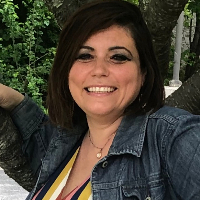
Josephine Olson, LPC
Therapist in Virginia
Josephine Olson is a Licensed Professional Counselor (LPC) with 15 years of experience working in Virginia.
- Licensed inVirginia
- License0701005606
- NPI 1710316229
- Experience15+ years
- LanguagesEnglish
Details are as listed on the therapist's public professional profile. You can check any license with the state board and any NPI with the national registry.
About Josephine
Josephine Olson is a Licensed Professional Counselor (LPC) with 15 years of experience working in Virginia. She focuses on helping people manage stress, mood disorders, anxiety, and a wide range of relationship and trauma concerns. Her approach aims to make therapy practical and easier to use in everyday life.
Josephine centers work around attachment issues and how early relationships shape current patterns. She uses client-centered methods to help people feel heard and understood.
Background and approach
For people who struggle with intense emotions, she draws on Dialectical Behavior Therapy skills to teach coping tools for regulation and distress tolerance. Her background includes extended clinical experience with trauma, grief, addiction, eating concerns, and parenting strains. That experience informs how she plans sessions and sets short-term goals.
Treatment is explained in plain terms and tailored to each person’s situation. Josephine offers talks that address abandonment, codependency, domestic violence recovery, and panic or social anxiety. She also supports people working through self-harm histories, sexual assault recovery, and compassion fatigue from caregiving roles.
Conversations in sessions focus on coping strategies, safety planning when needed, and gradual steps toward steadier routines. Sessions are available through video calls, phone, live chat, or text messaging to fit different schedules. She works with English-speaking clients and accepts international clients.
To begin, a short questionnaire and scheduling step match people to her practice and available times.
Credentials
- LPC (Virginia)
- License 0701005606 · expires June 2026
- NPI
- 1710316229 · national provider identifier
Both are public records. A state board register will confirm a license and its standing, and the national registry will confirm an NPI. This directory copies what the therapist lists and checks neither.
Focus areas and approaches
Everything Josephine lists on their public professional profile, in their own terms.
- Stress, Anxiety
- Relationship issues
- Trauma and abuse
- Bipolar disorder
- Depression
- Addictions
- Family conflicts
- Grief
- Eating disorders
- Parenting issues
- Anger management
- Self esteem
- Career difficulties
- Coping with life changes
- Compassion fatigue
- ADHD
- Abandonment
- Attachment issues
- Codependency
- Domestic violence
- Family problems
- Mood disorders
- Panic disorder and panic attacks
- Self-harm
- Sexual assault and abuse
- Social anxiety and phobia
Approaches Josephine names
- Attachment-Based Therapy
- Client-Centered Therapy
- Dialectical Behavior Therapy (DBT)
- Emotionally-Focused Therapy (EFT)
- Eye Movement Desensitization and Reprocessing (EMDR)
- Gottman Method
- Motivational Interviewing
- Narrative Therapy
- Solution-Focused Therapy
- Trauma-Focused Therapy
Naming an approach is not evidence of training in it. This directory copies what each therapist lists and does not check training records.
Online support
How attachment work and skills training fit online therapy
Attachment-Based Therapy looks at how early bonds shape current relationships and emotional patterns; online sessions can help people notice those patterns and try new ways of relating. Client-Centered Therapy focuses on listening and helping people find their own solutions through empathy and reflection; this approach is useful for building trust in video or phone conversations. Dialectical Behavior Therapy (DBT) teaches concrete skills for emotion regulation, distress tolerance, and improved communication and these skills translate well to short coaching messages, live chat, or focused video practice.Choosing the right approach is a collaborative step. The therapist will talk with the client about goals, past experiences, and what works best for them. Together they will test methods and adjust the plan so sessions feel relevant and manageable.
Online formats offer practical advantages. Video calls let therapists and clients work in real time with visual cues for attachment and emotion work. Phone sessions require less bandwidth and can be easier to fit into a lunch break or a hectic day. Live chat and text messaging make it possible to check in between sessions, practice skills, or get brief guidance when immediate support is useful. These options help people maintain continuity of care and fit therapy into everyday life.
We will earn a commission if you sign up through our link, at no cost to you. It does not change what you pay or the order of the listings.
Frequently asked
What concerns does she commonly address?
She works with stress, anxiety, depression, bipolar and addictions as well as relationship and family problems. Other focuses include trauma, grief, eating issues, parenting strain, and ADHD.
How would you describe her therapy style?
Her style is straightforward and collaborative, pairing client-centered listening with skills-based DBT and attachment-focused work. Sessions aim to teach usable coping tools and clearer ways to relate to others.
What is her professional background?
She brings 15 years of clinical experience working in Virginia with a range of mood, trauma, and relationship issues. That history informs how she plans treatment and supports recovery.
Where is she licensed and based?
She holds a Licensed Professional Counselor credential in Virginia and practices with that standing in the state.
Can people who live outside the U.S. work with her?
Yes, she accepts international clients and provides sessions in English for people living in other countries when licensing allows.
Which session formats are offered?
Sessions are offered by video calls, phone sessions, live chat, or text-based messaging to fit different schedules and communication preferences.
How does payment and cost work?
Cost varies with location and therapist availability. Sessions use a subscription model that can be canceled at any time.
What are the first steps to begin therapy?
Start by selecting the Start Therapy button, complete a short matching questionnaire, and then schedule according to therapist availability.
More therapists in Virginia
See all

Angela Kennedy
LPC
Compassionate therapist blending attachment and practical skills
- Stress, Anxiety
- Relationship
- Self esteem

Kyle Yoder
LPC
Support for relationship and life transitions
- Relationship
- Intimacy-related issues
- Self esteem
Is this your profile?
Ask us to correct details or take the page down.
Contact us