Attachment-based therapy directory
Therapists in Virginia
63 therapists based in Virginia name attachment-based therapy among the ways they work. Sessions are online; a therapist can usually only see people in the states where they hold a license, so check the license line on each profile.
Welcome to Attachment Therapists’ directory of online therapists serving Virginia. All therapists listed here are licensed in Virginia; explore profiles to learn about their approaches, credentials, languages, and areas of focus.


Angela Kennedy
LPC
Compassionate therapist blending attachment and practical skills
- Stress, Anxiety
- Relationship
- Self esteem

Kyle Yoder
LPC
Support for relationship and life transitions
- Relationship
- Intimacy-related issues
- Self esteem

Monique Gardner
LCSW
Calm guidance for stress and attachment concerns
- Stress, Anxiety
- Trauma and abuse
- Self esteem

Brenda Atkinson
LCSW, CSW
Therapist focused on life transitions and relationships
- Stress, Anxiety
- Relationship
- Family

Brenda Broadnax
LPC
Compassionate counselor helping with attachment and trauma
- Stress, Anxiety
- Relationship
- Family

Mary Messerschmidt
LCSW
Compassionate therapist focused on attachment and growth
- Addictions
- Relationship
- Intimacy-related issues

Erin Mace
LPC
Restoring connection and practical coping skills
- Stress, Anxiety
- Family
- Trauma and abuse
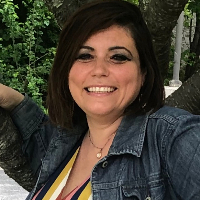
Josephine Olson
LPC
Experienced LPC focused on attachment and trauma healing
- Stress, Anxiety
- Relationship
- Trauma and abuse

Shannon Talley
LPC
Compassionate counselor focused on attachment healing
- Stress, Anxiety
- Grief
- Bipolar

Emily Schmid
LPC
Compassionate, practical support for life transitions
- Stress, Anxiety
- Relationship
- Parenting

Newzaira Khan
LCSW
Compassionate LCSW helping with relationships and trauma
- Relationship
- Trauma and abuse
- Intimacy-related issues

Jean Odachowski
LPC
Compassionate counselor focusing on attachment and trauma
- Relationship
- Family
- Trauma and abuse

Dr. Jessica Winn
LMFT
Therapist focused on relationships and recovery
- Stress, Anxiety
- Relationship
- Family

Pamela Robinson
LPC
Experienced Virginia LPC focused on relationships and healing
- Stress, Anxiety
- Family
- Trauma and abuse


Gabriel Kajeckas
MD, LCSW-C, LCSW
Compassionate clinician helping rebuild connection
- Stress, Anxiety
- Addictions
- Relationship

Jeannette Sedor
LPC
Compassionate counselor focused on relationships and resilience
- Stress, Anxiety
- Relationship
- Self esteem

Josh Holbrook
LPC
Practical, relationship-aware therapy for everyday struggles
- Stress, Anxiety
- Trauma and abuse
- Self esteem

Amando Esguerra
LPC
Compassionate counselor focused on real-life change
- Stress, Anxiety
- Trauma and abuse
- Grief

Dr. Sally Goh
LPC
Restoring confidence through steady, relationship-focused care
- Stress, Anxiety
- Trauma and abuse
- Depression

Katherine Rowe
LCSW
Steady, practical support for life’s big stresses
- Stress, Anxiety
- Family
- Trauma and abuse

Dr. Cynthia Agbayani
LPC
Compassionate, direct counseling with attachment focus
- Relationship
- Family
- Trauma and abuse

John Moore
LCPC, LPC
A practical, experienced counselor for life changes
- Stress, Anxiety
- Relationship
- Family

Maria Caballero
LPC
Compassionate counseling grounded in attachment
- Stress, Anxiety
- Family
- Trauma and abuse

Deanna Bibby
LCSW
Calm, practical care for stress and trauma
- Stress, Anxiety
- Relationship
- Trauma and abuse

Joseph Heeter
LPC
Practical, compassionate counseling focused on attachment
- Stress, Anxiety
- Family
- Trauma and abuse
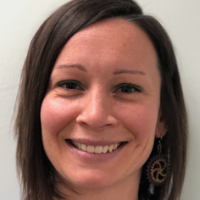
Hannah Phillips Hale
LPC
Attachment-informed counselor focused on practical progress
- Stress, Anxiety
- Relationship
- Trauma and abuse

Tameka Powell
LCSW
Relationship-focused LCSW supporting healing and growth
- Relationship
- Trauma and abuse
- Parenting

Laura Walls
LPC
Attachment-informed counselor focusing on relationships and life changes
- Stress, Anxiety
- Relationship
- Family

Dr. Leslie Davis
LCSW
Practical, compassionate therapy for everyday strain
- Stress, Anxiety
- Relationship
- Family

Esther Dubique
LCSW
Attachment-informed LCSW focused on practical healing
- Relationship
- Trauma and abuse
- Grief

Dr. Alexandria Arthur
LPCC, LPC
Supportive clinician focused on relationships and coping
- Stress, Anxiety
- Trauma and abuse
- Self esteem

Amy Kilgore
LPC
Hopeful guidance for attachment and trauma recovery
- Stress, Anxiety
- Addictions
- Trauma and abuse
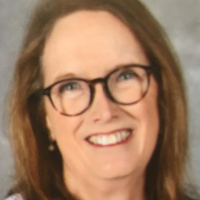
Claudia Stephens
LCSW
Attachment-informed LCSW offering steady support
- Stress, Anxiety
- Trauma and abuse
- Parenting

Cindy Logan
LCSW
Compassionate, practical support for life’s hard moments
- Stress, Anxiety
- Relationship
- Self esteem

Rocio Lozano-Arciniegas
LCSW
Compassionate LCSW focusing on attachment and coping
- Stress, Anxiety
- Depression
- ADHD

Mitra Shahryary
LCSW, CSW, LICSW
Practical support for stress and attachment concerns
- Stress, Anxiety
- Trauma and abuse
- Grief


Henry "Hank" Matthews
LPC
Compassionate counselor focused on real change
- Addictions
- Relationship
- Grief

Andrea Dilley-Frame
LPC
Seasoned Virginia counselor focused on attachment and coping
- Stress, Anxiety
- Addictions
- Trauma and abuse


Juanita Haskins
LPC
Collaborative counselor focused on practical change
- Addictions
- Stress, Anxiety
- Relationship

Amanda Davis
LCSW
Collaborative therapist focused on relationship patterns
- Stress, Anxiety
- LGBT
- Relationship
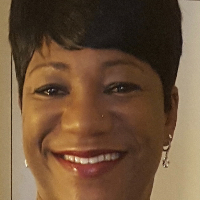
Sharon Black
LICSW, LCSW
Compassionate, practical therapy for real life
- Stress, Anxiety
- Addictions
- Family

Lemuel Williams
LPC
Therapist focused on attachment and recovery
- Stress, Anxiety
- Relationship
- Trauma and abuse


Juwairiah Abdus-Saboor
LCSW
Compassionate therapy grounded in relationships
- Stress, Anxiety
- Family
- Grief
Some links on this page are partner links. We will earn a commission if you sign up through one, at no cost to you. It does not change what you pay or the order of the listings.
Overview of online therapy availability in Virginia
If you are considering online therapy in Virginia, you will find a range of licensed mental health professionals offering remote sessions. State licensure determines who may provide teletherapy to people located in Virginia, so most profiles you see here are for clinicians licensed to practice in the state. Online sessions can be offered via video, phone, or a mix of formats depending on a clinician’s stated approach and the technology they use. Teletherapy options have become a common way to connect with a therapist across urban and rural areas, and many clinicians list the populations and problems they focus on so you can identify professionals who align with your needs.
While the regulatory environment sets standards for documenting consent, record-keeping, and professional conduct, the experience of online therapy varies by clinician. Some therapists emphasize attachment-based work, others list trauma-informed approaches, and many note integrative methods. Because listings record approaches rather than formal credentials in a modality, it is useful to read profiles carefully to understand how a therapist describes their work. When you review profiles, look for information about the types of sessions offered, languages spoken, clinical background, and the issues the therapist commonly addresses.
Benefits of online therapy for Virginia residents
Online therapy offers practical advantages that may fit your lifestyle in Virginia. If you live in a rural county or face long commutes, remote sessions remove travel time and can make it easier to maintain regular appointments. Online sessions also expand your options so you can connect with someone who shares your cultural background, speaks your language, or has experience with specific life stages or relationship patterns. For parents, caregivers, or people with mobility considerations, teletherapy can reduce scheduling friction and make it simpler to integrate therapeutic work into a busy week.
Beyond convenience, many people find that the virtual format supports continuity of care when life circumstances shift. You can continue sessions when you relocate within the state, travel temporarily, or are managing work or school demands. The format can also encourage engagement when in-person therapy feels intimidating; for some clients, beginning therapy online provides a gradual route to more intensive work. Keep in mind that the quality of connection depends on a reliable internet connection and a comfortable environment for your session. Planning for a quiet, uninterrupted space and testing audio and video beforehand will help you get the most out of online sessions.
What issues online therapists in Virginia commonly help with
Online therapists in Virginia address a broad range of concerns across the lifespan. You can find clinicians who describe experience working with relationship struggles, attachment-related patterns, anxiety, depression, parenting challenges, grief, life transitions, and stress related to work or school. Many therapists also list approaches they use with trauma, complex family dynamics, and identity-related issues. Because listings describe how a clinician frames their work, you may notice language that highlights developmental attachment themes, somatic awareness, narrative work, or relational therapy. If a therapist includes EMDR among their approaches, that indicates EMDR is part of what they mention rather than a formal credential in that method.
Some clinicians emphasize work with specific populations, such as adolescents, adults, couples, or older adults, and others note bilingual services or cultural competence relevant to particular communities. If you have a particular concern - for instance, parenting after separation or managing chronic stress - use profile details about focus areas and clinical interests to identify therapists who discuss those topics. Therapy by telehealth can be effective for many of these issues, though you and your therapist will decide together whether remote work is a good fit for your goals and circumstances.
How to verify a therapist's license in Virginia
Verifying a therapist’s license is an important step to ensure they are authorized to practice in Virginia. You can look up a clinician by name on state licensing board websites to confirm their license type, license number, status, and expiration date. In Virginia, the primary boards that license mental health professionals include the Board of Counseling, the Board of Psychology, and the Board of Social Work. Each board maintains an online lookup tool where you can enter a clinician’s name or license number to see public records and whether any disciplinary actions have been recorded.
What to look for on a license lookup
When you run a license search, note the professional title listed - for example, Licensed Professional Counselor, Licensed Clinical Social Worker, Licensed Marriage and Family Therapist, or Psychologist. Check the license status field to confirm it is active and view the expiration date so you understand when renewal is due. Many state pages also include a history of disciplinary actions and any public orders or restrictions. If you are unsure how to interpret an entry you find, you can contact the licensing board by phone or email for clarification about records that are publicly reported. Keeping a screenshot or the license number on record can be helpful for your own files.
How to get started with an online therapist and tips for choosing the right fit
Starting with online therapy begins with clarifying what you want to address and what matters most to you in a therapeutic relationship. Think about whether you prefer a therapist who highlights attachment-informed approaches, someone who lists specific modalities such as cognitive or somatic work among their approaches, or a clinician who emphasizes relational or developmental perspectives. When you find profiles that resonate, read the descriptions of population focus, languages spoken, and session format. Many therapists include information about typical session length and whether they offer short-term or longer-term work. That context can help you narrow choices before reaching out.
How to begin
When you contact a therapist, you can ask about practical details such as session length, fees, and how they handle intake and paperwork for teletherapy. It is reasonable to ask how they describe their approach in plain language and what a typical session might look like for someone with your concerns. Also inquire about their policies for cancellations and any sliding scale arrangements if cost is a consideration. If you rely on insurance, ask whether the clinician lists their credential type in a way that aligns with your plan’s requirements and whether they provide documentation needed for reimbursement.
Tips for choosing a therapist
Choose someone whose profile feels responsive to your priorities. Look for clinicians who mention experience with the issues you want to address and who describe a therapy style that matches your preferences - for example, directive versus exploratory, short-term skills-focused versus longer-term relational work. Language and cultural background can matter a great deal; if you want a therapist who speaks a certain language or understands a particular cultural context, prioritize those details. Also consider logistics such as whether sessions are offered by video or phone and whether you can create a quiet space in your home for appointments. Trust your sense of whether a clinician’s communication style and stated approach feel respectful and understandable to you.
Once you begin sessions, you should feel comfortable discussing goals, pacing, and what you hope to get from therapy. It is normal to try a few sessions before deciding whether a therapist is the right match for you. If you and your therapist determine a different approach or clinician would be better, a good clinician will help you identify next steps. Ultimately, a thoughtful search combined with clear questions about approach, experience, licensure, and practical details will help you connect with an online therapist in Virginia who aligns with your goals and preferences.